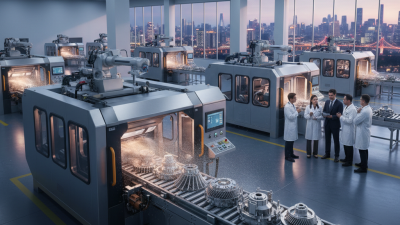
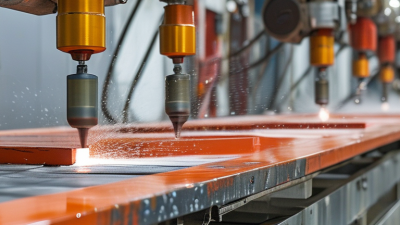
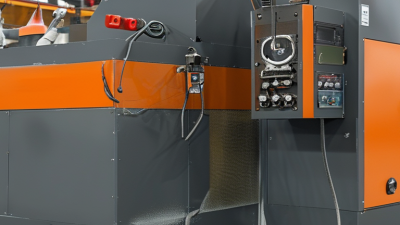
Buying Shot Peening Equipment in 2026 requires more than comparing cabinet sizes or motor power. The decision affects fatigue life, production consistency, operator safety, and long-term maintenance costs. Recent reviews from Fortune Business Insights and Grand View Research show steady growth in the global shot blasting and surface treatment equipment markets. That growth reflects stronger demand from aerospace, automotive, energy, and precision manufacturing.
The technology has deep roots. John O. Almen, a pioneer of controlled peening, wrote, “Shot peening is the cold working of metal surfaces by bombarding them with small spherical particles.” His definition remains practical today. Buyers still need controlled intensity, verified coverage, stable media flow, and repeatable results. SAE J443, SAE J2441, and AMS 2430 provide useful reference points for equipment evaluation. Certification alone is not enough.
This guide examines machine design, wheel or air-blast systems, automation, dust collection, Almen strip measurement, media separation, and digital traceability. It also considers service access, spare parts, energy use, and training requirements. A cheaper machine may appear efficient. It may become expensive after repeated stoppages. Conversely, advanced automation can be excessive for a low-volume workshop. That trade-off deserves honest review.
Real purchasing decisions often happen beside a noisy cabinet, with dust filters filling and media spilling near the reclaim system. Those details matter. Manufacturer claims should be tested against sample parts, production targets, and documented process controls. No report replaces a controlled trial. This guide offers a practical framework, though some recommendations will require adjustment for specific alloys, geometries, and compliance environments.
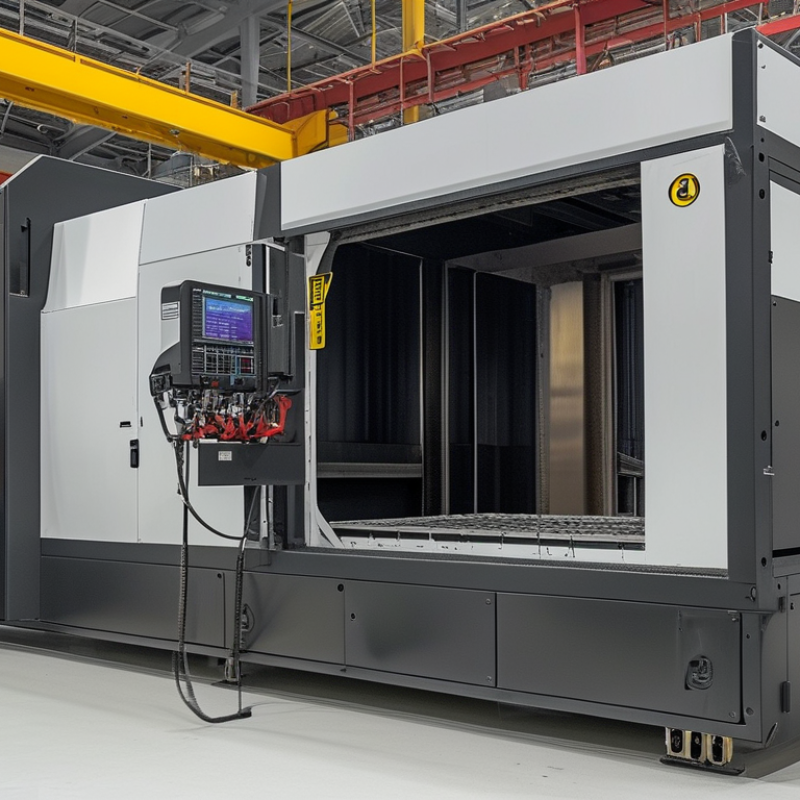
Shot peening equipment is a controlled surface treatment system. It propels small metallic, ceramic, or mineral media against a component. Each impact creates a shallow dent and compressive residual stress. This stress can slow fatigue cracks in springs, gears, shafts, and welded parts. The machine is not simply a blasting cabinet. It controls impact energy, media flow, coverage, and exposure time. Those variables determine treatment quality.
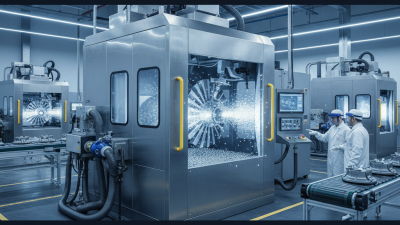
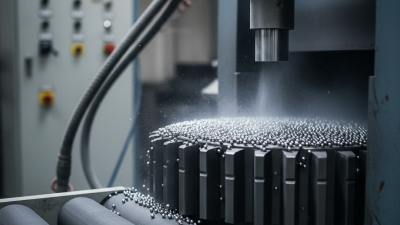
In wheel-type equipment, a rotating wheel accelerates the media toward the workpiece. Air-powered systems use compressed air and adjustable nozzles. Nozzle distance, angle, pressure, and part rotation affect the impact pattern. Technicians often verify intensity with Almen strips and check coverage with visual inspection. Media must remain within the specified size range. Broken or contaminated particles can change the process. Small errors matter.
When choosing equipment, match the chamber size and delivery method to the component geometry. Review loading access, dust control, media separation, automation, and maintenance requirements. Ask for process records, calibration procedures, and operator training details. A reliable supplier should explain measurable performance, not only advertised capacity. Even a well-designed line can create uneven coverage around corners or recessed areas. This is where many buying decisions become too optimistic. Careful trials may reveal limitations before installation.
2026 Top Shot Peening Equipment Buying Guide
Shot peening equipment is selected by part geometry, production volume, and required fatigue performance. Wheel blast machines suit large batches of gears, springs, and suspension components. A rotating wheel throws metal shot at high speed, covering parts quickly. They offer strong productivity, but may struggle with deep pockets or delicate edges.
Air blast systems use compressed air and controlled nozzles. They work well for aerospace components, dies, shafts, and irregular surfaces. Multi-axis motion can reach difficult areas with better control. Rotary tables and indexing fixtures improve repeatability. Wet blast equipment adds liquid to the process, reducing dust and heat. It is useful for sensitive surfaces, fine media, and parts needing a cleaner finish. However, drying and fluid maintenance add operational demands.
Buying decisions should include nozzle access, media size, pressure range, coverage monitoring, and Almen strip testing. Automation is valuable when identical parts require consistent exposure. Manual loading may be more flexible for short runs. Not every part needs the most advanced system. A common mistake is comparing machine speed without checking coverage uniformity. In shop trials, small shadowed areas can remain untreated behind ribs or holes. That detail matters. Request sample processing, maintenance data, safety controls, and operator training before approving equipment. My own assessment would also question recovery efficiency, because lost media raises cost and can distort process stability.
| Equipment Type | How It Works | Typical Applications | Suitable Workpieces | Key Advantages | Main Limitations | Important Buying Factors |
|---|---|---|---|---|---|---|
| Wheel-Blast Shot Peening Machine | A rotating centrifugal wheel accelerates metallic shot toward the workpiece without compressed air. | High-volume treatment of automotive, aerospace, construction, and general engineering components. | Gears, springs, shafts, castings, forgings, connecting rods, and large batches of similar parts. | High productivity, relatively low compressed-air consumption, and consistent coverage in production lines. | Less flexible for delicate parts, complex cavities, or low-volume jobs with frequently changing geometries. | Wheel capacity, blast pattern, chamber size, part loading method, shot recovery, and dust collection. |
| Air-Blast Cabinet Machine | Compressed air propels shot or other approved media through one or more blast nozzles. | Small-batch processing, repair work, prototyping, maintenance, and treatment of complex components. | Aircraft parts, precision components, weldments, dies, molds, and parts with recessed or difficult-to-reach areas. | Flexible nozzle control, good accessibility, and easy adjustment of pressure and blast angle. | Lower throughput than automated wheel systems and higher operating cost from compressed air. | Cabinet dimensions, nozzle access, air pressure range, media recycling, ergonomics, and visibility. |
| Rotary Barrel Shot Peening Machine | Parts and shot tumble inside a rotating or oscillating barrel while the media impacts exposed surfaces. | Batch processing of small, durable components requiring economical bulk treatment. | Fasteners, pins, bushings, small gears, springs, and other robust parts without fragile protrusions. | Simple loading, good batch productivity, and reduced manual handling. | Part-to-part contact can cause marks; unsuitable for delicate, entangled, or highly complex components. | Barrel lining, load capacity, rotation control, separation method, unloading design, and part protection. |
| Table-Blast Machine | A rotating table moves parts through a controlled blast stream, usually from fixed or oscillating nozzles. | Medium-sized batch treatment where repeatable exposure and controlled positioning are required. | Castings, forgings, brake components, turbine parts, housings, and heat-treated components. | Good coverage control, practical automation, and relatively easy loading and unloading. | Limited capacity for very long parts or unusually shaped components. | Table diameter, payload, rotation speed, nozzle arrangement, masking requirements, and cycle repeatability. |
| Through-Feed Shot Peening Line | Parts move continuously through multiple controlled blast zones using rollers, belts, hangers, or conveyors. | Continuous production of bars, tubes, springs, rails, plates, and standardized components. | Long or continuous products and parts with consistent cross-sections. | High throughput, repeatable processing, and straightforward integration with upstream and downstream equipment. | High initial investment and limited flexibility for irregular products or frequent product changes. | Line speed, blast-zone length, product support, media flow, automation, and in-line inspection capability. |
| Hanger-Type Shot Peening Machine | Parts are suspended from hooks or fixtures and rotated or indexed through one or more blast zones. | Large, heavy, or geometrically complex components requiring controlled orientation. | Large castings, forged components, frames, wheels, structural parts, and engine components. | Good access to multiple surfaces and reduced contact shadowing compared with bulk tumbling. | Manual fixture loading may be slower; fixtures require maintenance and can create shielded areas. | Maximum load, hook spacing, rotation speed, fixture design, chamber clearance, and operator safety. |
| Robotic or Automated Nozzle Cell | A programmed robot or multi-axis system controls nozzle position, angle, distance, and travel speed. | Precision processing of complex parts and production environments requiring programmable repeatability. | Aircraft structural parts, landing-gear components, precision forgings, and complex machined parts. | Excellent flexibility, repeatable coverage, reduced manual exposure, and easy recipe storage. | Higher programming, integration, and maintenance requirements than basic cabinet systems. | Robot reach, payload, path accuracy, vision or scanning options, recipe control, and system validation. |
| Specialized Spring Peening Machine | Springs are rotated, compressed, or otherwise positioned while controlled media impacts critical stress-bearing surfaces. | Fatigue-life improvement for coil springs, torsion springs, and suspension components. | Automotive suspension springs, valve springs, clutch springs, and other high-cycle spring products. | Designed for controlled coverage of curved wire surfaces and repeatable spring positioning. | Usually optimized for a narrower product range and requires accurate process setup. | Spring diameter and length range, rotation method, media control, coverage verification, and fatigue-test requirements. |

2026 Top Shot Peening Equipment Buying Guide
Comparing shot peening machines requires more than checking cabinet size. Start with controllable intensity, media flow, nozzle distance, and coverage. SAE J443 defines Almen strip practices for measuring peening intensity. SAE J2443 also outlines process control guidance for aerospace applications. These standards help buyers compare results, not just machine dimensions.
Automation matters when production volume increases. Grand View Research estimated the global shot blasting machine market at about USD 1.5 billion in 2023, with continued growth expected through 2030. That trend supports demand for programmable machines, robotic motion, recipe storage, and automatic media classification. Check pressure stability, wheel speed, air consumption, table load, and dust-collection capacity. A machine should also record intensity, exposure time, and media batch information. Higher pressure is not always better. It may increase intensity while accelerating media breakdown.
Tips: Request a sample-part trial before purchasing. Measure Almen intensity, coverage, surface roughness, and repeatability. Ask for results using your actual media size and part geometry. ISO 11124 and ISO 11125 can help verify metallic and non-metallic blasting media requirements. Inspect nozzle wear during the trial. Small changes in nozzle diameter can affect flow and coverage. A perfect specification sheet is not enough. Real parts often expose awkward shadows, uneven coverage, or loading problems. Allow room for that uncomfortable finding.
Selecting shot peening equipment starts with the material, not the machine catalog. Steel gears, aluminum housings, and titanium parts respond differently to media size, hardness, and impact energy. Match the process to the surface hardness and required fatigue performance. For delicate components, use controlled air pressure and fine media. Heavier steel parts may need wheel acceleration or larger steel shot. Keep temperatures stable, especially with heat-sensitive alloys. Small changes matter.
Part geometry determines cabinet size, nozzle movement, and masking requirements. A turbine blade needs consistent coverage around edges without peening thin sections too aggressively. A batch of springs needs repeatable separation and media flow. Check whether the system can reach recessed holes, shoulders, and internal corners. Ask for intensity verification using Almen strips, plus records for media condition, pressure, and coverage. In production, automatic indexing reduces operator variation. It also exposes weak programming.
During equipment trials, measure intensity, coverage, cycle time, dust control, and media consumption on actual parts. Do not rely only on a polished demonstration sample. Inspect for overpeening, distortion, embedded media, and missed zones. The right machine should support documented settings and repeatable inspection. Service access matters too; blocked filters and worn nozzles can quietly change results. Practical trials often reveal a hidden problem: high output can make small-lot changeovers difficult. That mistake is avoidable, though not always obvious. Leave room for process development, because the first recipe rarely fits every part.
2026 Top Shot Peening Equipment Buying Guide
Installation begins with the floor. It must be level, strong, and free from standing water. Anchor the cabinet securely, then connect compressed air through a readable regulator and moisture separator. Keep the hose short and inspect every fitting for leaks. Dust extraction needs enough capacity to maintain clear visibility inside the work area. Ground the equipment before testing it. Small installation errors become expensive production problems.
During operation, use a test coupon to confirm coverage, intensity, and consistent media flow. Set pressure gradually, rather than copying an old setting without verification. Watch the stream through the inspection window. Uneven flow may indicate a blocked nozzle, worn liner, or incorrect media size. Operators should wear eye protection, hearing protection, gloves, and suitable respiratory protection. Never bypass guards, interlocks, or access-door switches. It feels faster, but it creates unacceptable risk.
Maintenance should follow actual usage, not only calendar dates. Inspect nozzles, hoses, seals, screens, filters, and cabinet liners every shift. Remove broken media before it damages the recovery system. Record pressure, media condition, intensity results, and repairs. These records support dependable decisions and reveal gradual performance loss. Lock out electrical and pneumatic energy before servicing. A rushed inspection can miss a hairline hose crack. We have seen that small defect become a sudden release of abrasive media. Review the procedure after every incident, near miss, or process change.