What is an Auto Blasting Machine and How Does It Work?
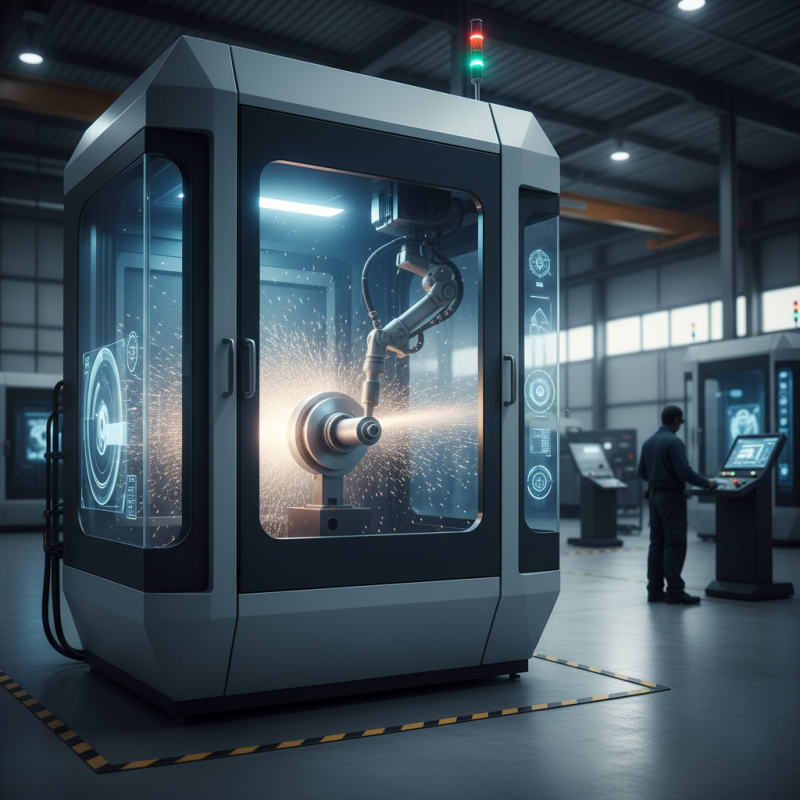
The Auto Blasting Machine is a powerful tool used in various industries. It automates the process of surface preparation. This machine effectively removes rust, paint, and other contaminants. It enhances the surface quality of metals. The way it works is fascinating.
The Auto Blasting Machine uses abrasive materials like glass beads or aluminum oxide. These materials are propelled at high speed to clean surfaces. This method ensures a uniform finish, saving time and labor. However, improper use can lead to surface damage. Operators must pay attention to settings and materials.
Understanding the Auto Blasting Machine is essential. It offers efficiency but also requires skill. An untrained operator may not achieve the desired results. Thus, regular training and practice are necessary. Exploring its functions can lead to better outcomes in projects.
What is an Auto Blasting Machine? Definition and Overview
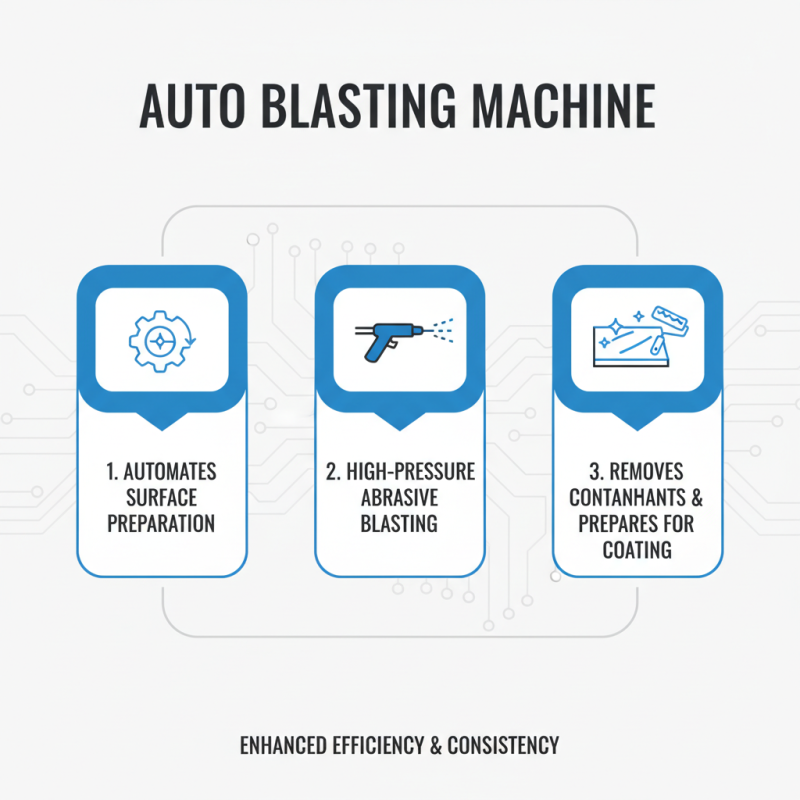
An auto blasting machine is a specialized system used for surface preparation and finishing. It automates the abrasive blasting process, enhancing efficiency and consistency. This machine employs high-pressure air to propel abrasive materials against surfaces. Common applications include removing contaminants and preparing surfaces for painting and coating.
The auto blasting machine can significantly boost productivity. According to industry reports, these machines can improve processing speed by up to 300% compared to manual blasting. However, accuracy and material selection are crucial in achieving desired results. Improper use may lead to surface damage or incomplete cleaning. Regular maintenance is essential to avoid breakdowns and ensure longevity.
Tips: Choose the right abrasive material for your specific application. Be cautious of the pressure settings to prevent damage. Always wear appropriate safety gear to protect against dust. Investing in training for operators can improve overall performance and reduce mistakes.
Key Components of an Auto Blasting Machine and Their Functions
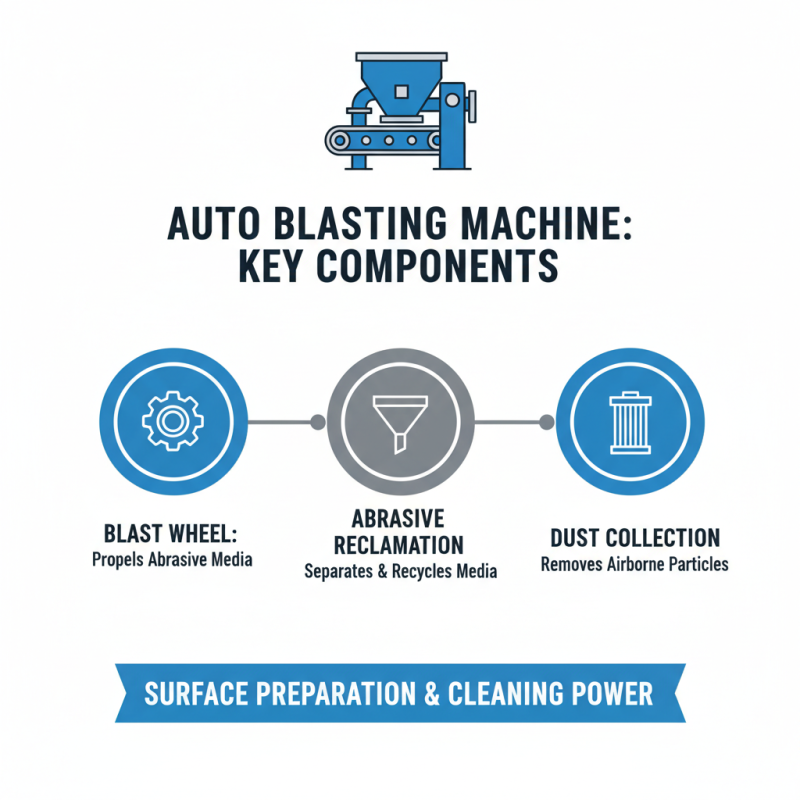
An auto blasting machine is a powerful tool used for surface preparation and cleaning. These machines are designed with key components that significantly enhance their effectiveness. Understanding these components helps in appreciating how they work.
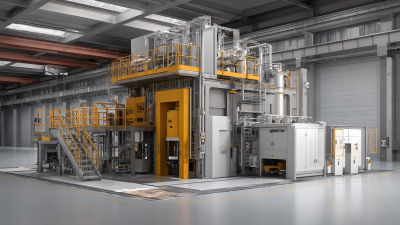
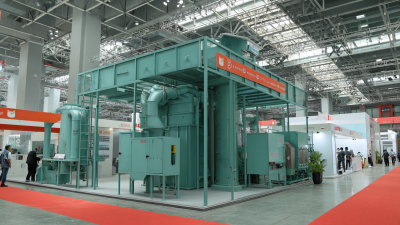
The primary component is the blasting chamber. This is where the items to be cleaned are placed. Inside, abrasive material is blasted onto surfaces, removing contaminants and old finishes. The chamber’s design must allow for easy loading and unloading of materials. Efficient operation is crucial, yet sometimes improvements are necessary.
Next is the abrasive delivery system. This mechanism controls the flow and pressure of the abrasive material. It's essential for achieving desired results. If not calibrated properly, it may lead to uneven cleaning, requiring adjustments. Lastly, the dust collector plays a vital role. It removes debris from the air, enhancing visibility and maintaining a clean workspace. However, dust collectors can be overlooked, resulting in reduced efficiency. Regular maintenance is necessary to keep all components functioning optimally.
The Auto Blasting Process: Steps and Techniques Explained
The auto blasting process involves several key steps that ensure effective surface preparation. Initially, components are loaded into the blasting chamber. At this point, it’s vital to consider that proper loading affects the overall efficiency. Misalignment can lead to uneven blasting and incomplete cleaning. Notably, reports indicate that improper loading can reduce operation efficiency by 15%.
Next comes the blasting phase, where abrasive materials are propelled at high speeds. The choice of abrasive is crucial. For instance, a report by the Abrasive Blasting Alliance highlights that using the right type can improve cleaning speed by up to 20%. However, selecting the wrong abrasive could result in surface damage. Operators must be cautious.
Finally, components are unloaded and inspected. This step is often overlooked but is essential for quality control. The inspection process can take extra time, leading to delays in production lines. A recent study showed that nearly 30% of blasted parts require rework due to oversight during the inspection phase. This not only affects efficiency but can inflate project costs. Reflecting on these steps can help improve practices and minimize errors in future operations.
Industry Applications: Where Auto Blasting Machines Are Most Effective
Auto blasting machines are increasingly utilized across various industries for their efficiency and effectiveness. In automotive manufacturing, these machines play a crucial role in preparing surfaces for painting and coating. They remove rust, dirt, and other contaminants, ensuring a smooth finish. However, not all surfaces react well to blasting. Careful material selection is vital to avoid damage.
In the construction industry, auto blasting machines are used for cleaning concrete or metal structures. They help remove old paint or corrosion, making surfaces ready for new applications. Yet, the machine settings must be adjusted based on the material being treated. Incorrect settings can lead to uneven surfaces or material loss.
Aerospace applications also benefit from auto blasting technology. It ensures that components are free of imperfections that could affect performance. Nevertheless, the precision required in aerospace is not always easy to achieve. Operators often need extensive training to handle complex surfaces. Balancing efficiency and quality remains a challenge in various sectors.
What is an Auto Blasting Machine and How Does It Work? - Industry Applications: Where Auto Blasting Machines Are Most Effective
| Application Area |
Material Processed |
Benefits |
Typical Products |
| Automotive Industry |
Metal |
Rust removal, surface preparation |
Car frames, engine components |
| Construction |
Concrete, steel |
Surface finishing, cleaning |
Bridges, buildings |
| Aerospace |
Aluminum, titanium |
Weight reduction, enhancing aerodynamics |
Aircraft parts, space components |
| Manufacturing |
Glass, plastics |
Improved finish, paint adhesion |
Containers, electronic housings |
| Marine |
Metal |
Anti-corrosion treatment |
Boats, ship parts |
Safety Standards and Environmental Considerations in Auto Blasting
When discussing auto blasting machines, safety standards play a crucial role. These machines are used in various industries for surface preparation. However, the operation can pose risks if not managed properly. Protective gear, such as gloves and masks, is essential for operators. Inadequate measures can lead to serious injuries.
Environmental considerations are equally significant. The blasting process can produce harmful dust and debris. Proper filtration systems are necessary to minimize air pollution. Operators should conduct regular maintenance to ensure these systems work effectively. Yet, many overlook this aspect, leading to potential environmental hazards.
Addressing these issues requires a commitment to best practices. Compliance with safety regulations is vital, but often neglected. The machines must be used responsibly to protect both the operator and the environment. Continuous training and awareness are needed to improve safety and lessen the environmental impact. Without such efforts, the benefits of auto blasting may come at a high cost.
Auto Blasting Machine: Efficiency & Safety Considerations
This chart represents the time allocation for different steps in the auto blasting process. It highlights the significant impact of blast time on overall efficiency, while also considering cooling and maintenance requirements to ensure safety standards are maintained.