What are the Benefits of Automated Blasting Machines?
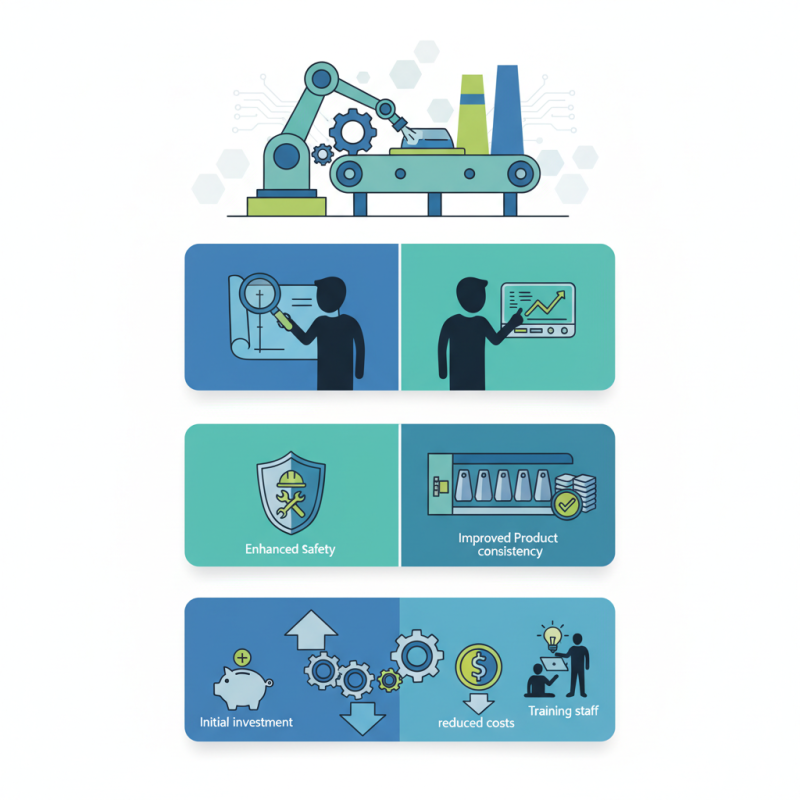
Automated Blasting Machines are transforming the industrial landscape. These machines enhance efficiency and safety in various manufacturing processes. According to industry expert Dr. Michael Thompson, "Automated Blasting Machines reduce human error and improve product consistency."
These machines automate tasks that once relied heavily on manual labor. Workers can focus on higher-level responsibilities. Tasks become faster and more accurate with automation. This shift leads to reduced operational costs in the long run. However, some industries still hesitate to adopt this technology due to initial investment concerns.
Innovation is not without its challenges. Training staff to operate these machines is crucial. Not every company has the resources for this transition. Nevertheless, the potential benefits often outweigh the risks. The move towards Automated Blasting Machines represents a step forward, yet requires careful consideration and planning.
Overview of Automated Blasting Machines and Their Applications
Automated blasting machines are transforming various industries. They provide efficient and consistent surface treatment solutions. According to recent industry reports, these machines can reduce processing time by up to 40%. This efficiency leads to lower operational costs and improved productivity.
In automotive and aerospace sectors, automated blasting is increasingly vital. It ensures uniform surface preparation for components. This reduces the risk of defects during painting or coating processes. A study indicated that companies using automated blasting saw a 30% decrease in rework rates. This directly impacts product quality and enhances customer satisfaction.
However, there are challenges. The initial investment cost for automated systems can be high. Many businesses hesitate due to budget constraints. Integration with existing processes may require adjustments. This added complexity can lead to implementation delays. Thus, while the benefits are significant, careful planning and consideration are crucial when adopting this technology.
Efficiency Improvements in Surface Preparation with Automation
Automated blasting machines have revolutionized the surface preparation industry. They greatly enhance efficiency in various applications. With precise control, these machines can achieve consistent results. This eliminates the variances often seen with manual processes. Reduced labor costs are another key benefit. Less manual input means more savings over time.
The automation process prevents human error, allowing for safer working environments. Yet, it requires significant upfront investment and operational adjustments. Training staff is crucial. Without proper knowledge, benefits may not be fully realized. Additionally, maintenance of automated systems can pose challenges. Regular checks are necessary to prevent downtime.
While automated blasting machines offer many advantages, they are not a one-size-fits-all solution. They may not suit every project type or budget. Automation in blasting may lead to over-reliance on machinery, which can weaken the development of manual skills in workers. Balancing automation with human oversight can yield the best outcomes.
Cost Savings and Labor Reduction with Automated Blasting
Automated blasting machines bring significant cost savings and reduce labor needs. Companies can streamline operations, leading to better efficiency. By minimizing manual labor, workers can focus on higher-priority tasks. This shift often results in fewer workplace accidents, creating a safer environment.
Implementing automated systems can lead to initial costs. Maintenance and training are necessary for optimal performance. However, these challenges pale compared to long-term savings. Over time, reduced labor costs and increased productivity provide a favorable return on investment. Yet, companies may face reluctance when changing established methods. Embracing new technologies requires a shift in mindset.
Additionally, automated blasting machines enhance consistency in results. Every surface receives the same treatment, reducing variability. This uniformity can lead to higher quality outcomes. Yet, there is a risk of over-reliance on automation. It's crucial to maintain a balance between human insight and machine efficiency. Continuous assessment of this balance is vital for lasting success.
Enhanced Safety Features of Automated Blasting Machines
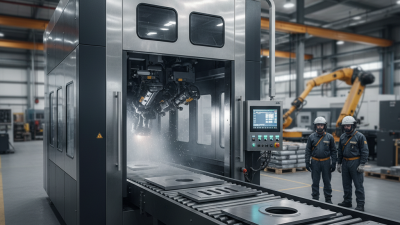
Automated blasting machines bring several safety enhancements to the workplace. These machines are designed to minimize human exposure to harmful dust and debris. By automating the blasting process, operators can maintain a safe distance. This reduces the risk of inhaling toxic particles. Workers can monitor the operation from a control room. It gives them a layer of protection.
Moreover, automated systems incorporate advanced safety features. Emergency shut-off switches are strategically placed for quick access. Sensors detect irregularities during blasting, shutting down operations automatically. These measures significantly lower the chance of accidents. However, the technology is not foolproof. Machines require regular maintenance to ensure all safety features function properly. Operators must remain vigilant and aware of their surroundings. This constant interaction is essential for overall safety.
Training is crucial when operating these machines. Workers must be knowledgeable about the equipment and safety protocols. Inadequate training can lead to misunderstandings and potentially dangerous situations. While automated machines enhance safety, human oversight remains vital. A balance between technology and human instinct is necessary. Relying solely on automation can create complacency, which is dangerous in any work environment.
What are the Benefits of Automated Blasting Machines? - Enhanced Safety Features of Automated Blasting Machines
| Benefits |
Description |
| Enhanced Safety |
Reduces the risk of human error and exposure to hazardous materials. |
| Consistent Quality |
Ensures uniform blasting results and surface preparation quality. |
| Reduced Labor Costs |
Minimizes manpower requirements, lowering overall operation costs. |
| Increased Efficiency |
Faster operation times compared to manual blasting methods. |
| Environmentally Friendly |
Reduces dust emissions and improves waste management in blasting operations. |
| Data Collection |
Provides data for analysis and process optimization, aiding in continuous improvement. |
Environmental Benefits of Using Automated Blasting Technology
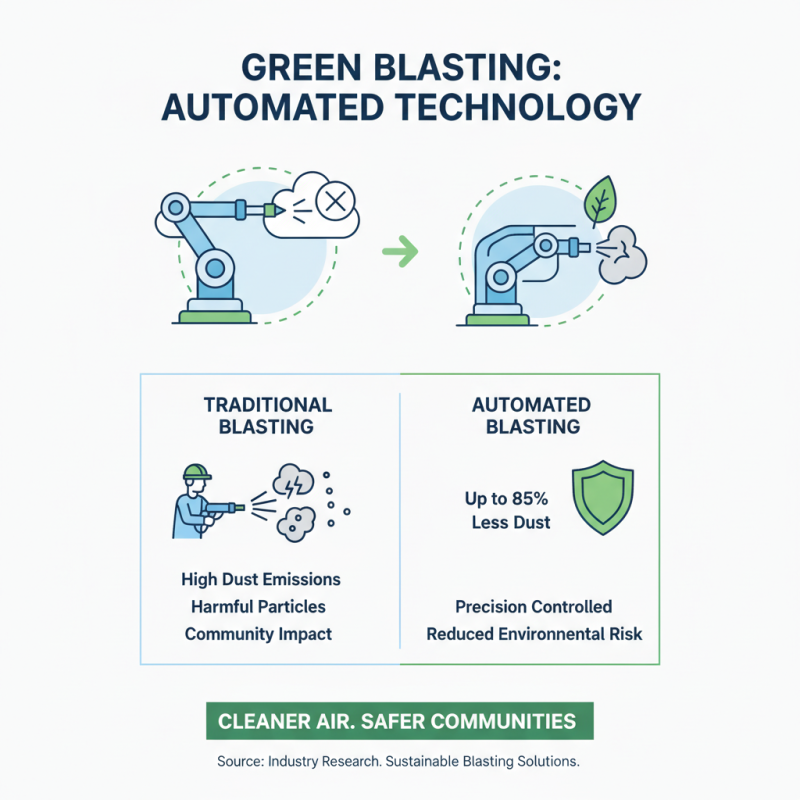
Automated blasting technology offers significant environmental advantages. Research indicates that these machines can decrease dust emissions by up to 85%. Traditional blasting methods often release harmful particles into the air, which can affect nearby communities. The precision of automated systems minimizes this risk.
Moreover, automated blasting reduces water usage significantly. Some estimates suggest a reduction of up to 50% in water consumption. This is crucial in areas experiencing water scarcity. Less water also translates to fewer wastewater issues, leading to cleaner production environments.
However, the transition to automated systems isn't entirely flawless. Initial setup costs can be high. There may be a learning curve for operators. For some companies, this shift could pose challenges. Balancing upfront expenditures with long-term savings will require careful consideration. Overall, while automated blasting shows promise, gaps remain that need addressing.