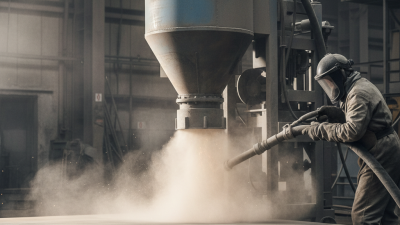
Top 10 Benefits of Using Automatic Blasting Machines for Efficiency?
In the realm of manufacturing and industrial processes, the efficiency of operations is paramount. According to Dr. Emily Carter, an expert in automated systems, “The Automatic Blasting Machine revolutionizes how industries approach surface preparation.” This statement highlights a significant shift in production dynamics. The use of Automatic Blasting Machines has gained traction due to their ability to enhance operational efficiency.
As industries strive to maximize productivity, Automatic Blasting Machines offer a myriad of advantages. These machines not only accelerate the blasting process but also ensure consistent results, reducing human error. The technology involved provides a level of precision that manual methods simply cannot match. For instance, intricate designs and complex components can be serviced uniformly, leading to improved product quality.
However, there are challenges to consider. Initial investments in these machines can be substantial. Furthermore, the transition from traditional methods requires training and adjustment. Companies must weigh the costs against long-term benefits. The journey towards efficiency is complex, but embracing the Automatic Blasting Machine can pave the way for a more productive future.
Understanding Automatic Blasting Machines and Their Functionality
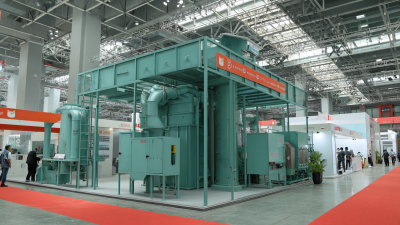
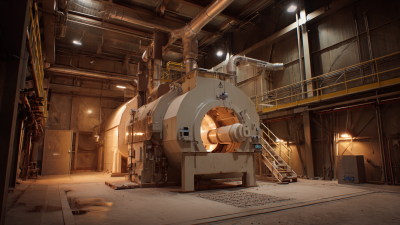
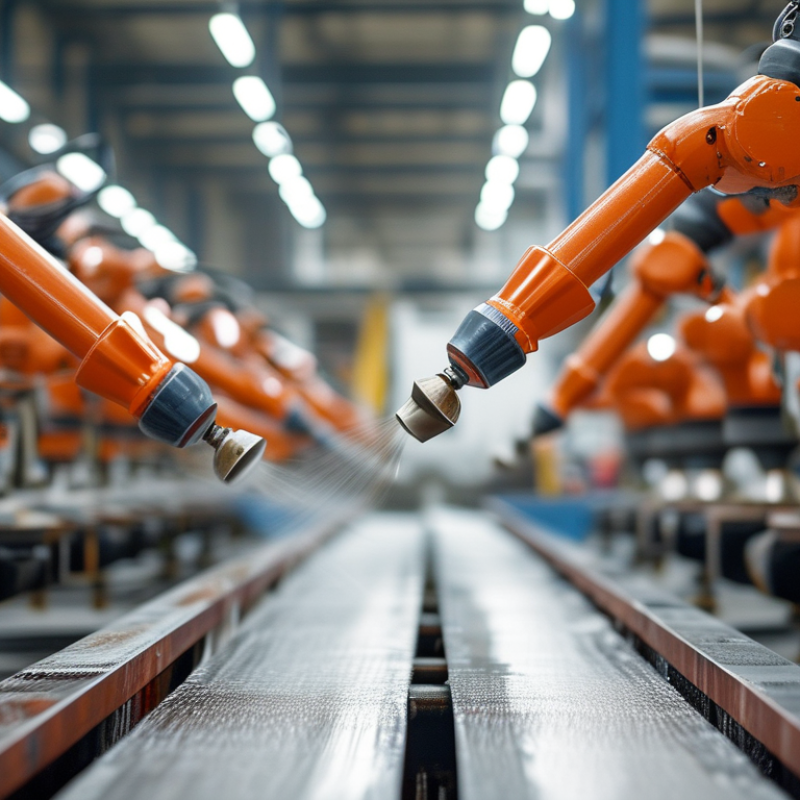
Automatic blasting machines streamline the cleaning and surface preparation processes in various industries. These machines employ advanced technology to deliver consistent results and enhance productivity. By automating repetitive tasks, they reduce the labor force needed and minimize human error. Operators can focus on other critical aspects of their work due to the efficiency these machines bring.
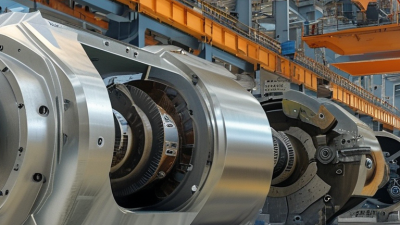
Understanding how automatic blasting machines work is essential for maximizing their benefits. Typically, they use abrasive materials propelled at high speeds to clean surfaces or remove coatings. This process not only speeds up operations but also allows for uniform coverage, ensuring high-quality results. However, users must calibrate machines correctly. Improper settings can lead to subpar outcomes or excessive wear on components. Regular maintenance is crucial to maintain performance and prevent costly downtimes.
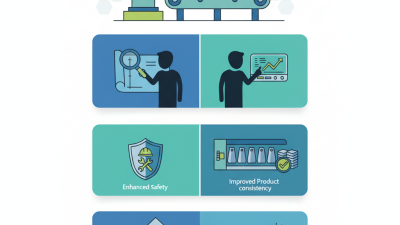
While these machines improve efficiency, operators must remain vigilant about safety protocols. High-speed abrasives pose risks, and protective measures are vital. Balancing automation with human oversight is also important. Over-reliance on machines might lead to complacency and oversight of critical processes. The goal should be to enhance human ability rather than completely replace it.
Enhanced Productivity: How Automatic Blasting Machines Save Time
Automatic blasting machines significantly enhance productivity in industrial settings. Reports indicate that these machines can increase efficiency by up to 30%. This boost comes from reduced cycle times and consistent results. Workers can focus on other essential tasks while machines handle repetitive blasting operations.
Time savings are critical. For instance, a facility using automatic blasting machines reportedly saved up to 60 hours a month in labor. This allows companies to redirect resources towards innovation and quality improvement. However, some operators report initial training challenges. Learning curves can vary, impacting overall productivity at first. Regular training can help mitigate this issue, ensuring a smoother transition.
Reliability is another crucial factor. Automatic machines can operate continuously, reducing downtime. Yet, scheduled maintenance remains vital. Neglecting upkeep can lead to unexpected breakdowns, which counteract efficiency gains. Balancing automation with human oversight may yield the best outcomes, blending the strengths of both approaches.
Cost Efficiency: Reducing Labor and Material Waste with Automation
Automatic blasting machines are revolutionizing the way industries approach efficiency. These machines offer significant cost savings by minimizing labor costs and reducing material waste. Traditional blasting methods can lead to high levels of waste and inefficiency. Automated systems provide precision, ensuring that materials are used optimally and processes are streamlined.
When implementing automation, consider the initial setup costs. While these machines require investment, the long-term savings are undeniable. Reducing manual labor means fewer personnel are needed on-site, and this can lower overall operating expenses. You should also examine how automation impacts your workflow. Is it seamless or disruptive? Addressing these questions will help refine processes.
**Tip:** Train your staff on the new technology. Worker adaptation can enhance efficiency and mitigate potential issues. Regular maintenance of your machines is also crucial. Neglect could lead to unplanned downtime, negating cost benefits.
Evaluating the volume of waste prior to automation can reveal more savings opportunities. Are there materials consistently wasted during blasting? Identifying these can help tailor your system for maximum efficiency. Over time, your processes will become more refined, leading to a sustainable approach that balances productivity with cost-effectiveness.
Consistent Quality: Ensuring Uniform Results in Surface Treatment
Automatic blasting machines are transforming the landscape of surface treatment. One of their key advantages is consistent quality. These machines deliver uniform results, reducing variability in surface finishing. This is critical for industries that prioritize standards. Precision in blasting ensures that every piece meets specified requirements. Operators can rely on machines to produce similar finishes across batches.
However, perfection isn't always guaranteed. Variations can arise due to factors like material inconsistencies or machine settings. Regular monitoring is essential. Even slight changes in the process can impact outcomes. This demands a combination of machine capability and skilled supervision. Training personnel to understand how to calibrate machines plays a vital role in maintaining quality.
Adopting automatic blasting systems does require a thoughtful approach. While machinery enhances efficiency, it also introduces complexity. Ensuring consistent quality means a commitment to regular maintenance and adjustment. Companies might encounter growing pains as they transition from manual to automatic systems. The benefits of uniform results, however, can be significant and rewarding when managed properly.
Top 10 Benefits of Using Automatic Blasting Machines for Efficiency
Safety Improvements: Minimizing Worker Exposure to Hazards in Blasting
Automatic blasting machines are transforming safety protocols in many industries. These machines reduce direct human exposure to blasting operations, a process known for its inherent risks. According to data from the Occupational Safety and Health Administration (OSHA), worker injuries in blasting tasks can be reduced by 30% when automation is embraced.
Minimizing worker exposure is crucial. One major hazard in blasting is the potential for flying debris. Automated systems can perform tasks like cleaning surfaces without putting workers in the line of fire. The National Institute for Occupational Safety and Health (NIOSH) suggests that automation can lower the chance of injury significantly, highlighting a direct correlation between machine use and worker safety.
Despite these advances, not all automated systems are flawless. Training personnel on operating these machines presents its own challenges. A study from the American Society of Safety Professionals noted that improper training can lead to malfunctions, undermining safety benefits. Continuous evaluation and updates to training programs are essential. Investing in thorough training ensures that the advantages of automatic blasting machines are fully realized without compromising safety.
Top 10 Benefits of Using Automatic Blasting Machines for Efficiency
| Benefit |
Description |
Safety Improvement |
Efficiency Gain |
| Reduced Worker Exposure |
Automatic machines limit the need for manual labor in hazardous environments. |
High |
Improved focus on monitoring processes. |
| Consistent Results |
Ensures uniform blasting results over time. |
Medium |
Higher productivity without quality variation. |
| Enhanced Control |
Allows precise adjustments to blasting parameters. |
Medium |
Facilitates better material handling. |
| Reduced Noise Levels |
Automatic machines can minimize noise pollution. |
High |
Creates a more pleasant working environment. |
| Automation of Processes |
Reduces manual operations, streamlining workflows. |
High |
Boosts overall production rates significantly. |
| Dust Control |
Machines can incorporate dust suppression measures. |
Medium |
Less downtime due to environmental concerns. |
| Increased Output |
High-speed operation allows for greater production volumes. |
Medium |
Maximizes resources and lowers costs. |
| Improved Quality Assurance |
Automation improves quality checks and balances. |
High |
Ensures high standards in production. |
| Operational Flexibility |
Can adapt to different kinds of materials and blasting needs. |
Medium |
Allows for diverse applications in blasting. |
| Cost Reduction |
Lower operational costs through enhanced efficiency. |
Medium |
Long-term savings on labor and material costs. |