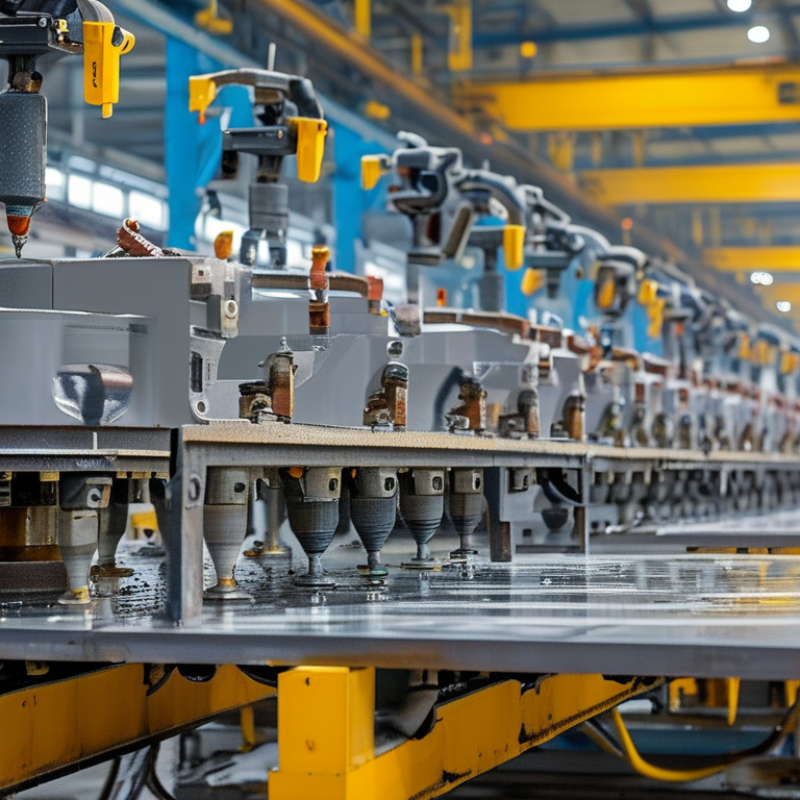
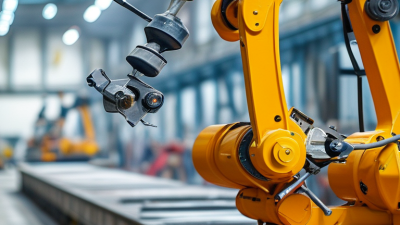
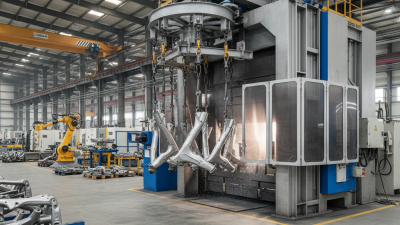
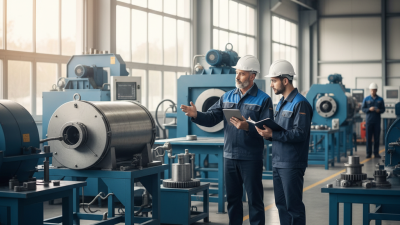
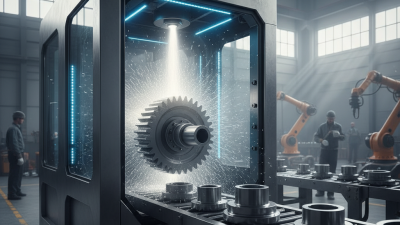
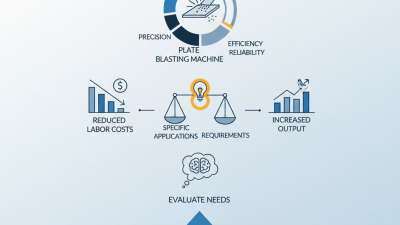
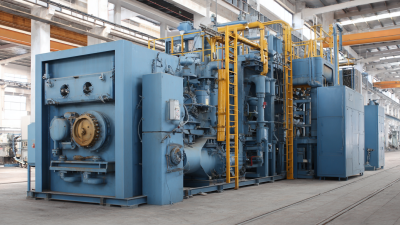
In the manufacturing sector, surface preparation is crucial. The demand for efficient cleaning methods drives innovations. Among them, the Automatic Shot Blasting Machine stands out. This equipment offers superior performance in removing rust, scale, and contaminants. According to industry reports, over 50% of manufacturers seek advanced surface treatment solutions.
The Automatic Shot Blasting Machine increases productivity significantly. Studies show that using this technology can reduce cleaning time by up to 70%. This allows businesses to adhere to tight production schedules. Moreover, it enhances quality control by ensuring consistent surface finishes. However, it's important to select the right machine for specific applications.
Choosing an Automatic Shot Blasting Machine requires careful consideration of various factors. These include the type of materials and the desired finish. Some users have reported challenges with equipment maintenance and operational costs. Addressing these concerns is essential for maximizing efficiency.
When exploring surface cleaning options, understanding the types of automatic shot blasting machines available is crucial. These machines follow a process that helps cleanse and prepare surfaces for further treatment. They vary in design, size, and functionality, catering to different industry needs.
Among the common types, the wheel blast machine stands out. It uses a rotating wheel to propel abrasive materials onto surfaces. This design allows for efficient cleaning of larger areas.
On the other hand, the air blast machine utilizes compressed air to achieve a similar effect. This type may be more suitable for delicate surfaces, offering more control during operation.
Another option is the continuous feed machine, ideal for high-volume production environments. It automates the blasting process, allowing for seamless operation. Although effective, it may require frequent maintenance. This raises questions about long-term costs and potential downtime.
Ultimately, selecting the right machine depends on specific needs and application requirements. Proper research and consideration of each type's advantages and drawbacks will lead to better decisions in the long run.

When selecting an automatic shot blasting machine, key features are critical. Efficiency stands at the forefront. Studies indicate that systems employing high-velocity turbines can enhance productivity by up to 30%. This increase reduces operational hours and contributes to lower energy costs.
The size and design of the blast chamber are also vital. A well-designed chamber facilitates even distribution of abrasives. It ensures thorough cleaning of intricate parts. According to industry reports, machines with optimally designed chambers achieve up to 20% more effective cleaning compared to standard models.
Consider the automation level. Machines that automate the material feeding and recovery process boost efficiency. Yet, maintenance challenges can arise. Regular inspections are necessary to avoid downtime. Understanding the balance between automation and maintenance needs is essential. Careful consideration of these key features will ensure you choose an effective shot blasting solution.
Automatic shot blasting machines have revolutionized surface cleaning. They offer efficient cleaning for various materials. These machines use high-velocity shots to remove rust, paint, and contaminants, enhancing surface quality.
One significant benefit of using automatic shot blasting is consistency. Unlike manual methods, machines provide uniform results across surfaces. This reliability is crucial for industries demanding precision. Regular use can improve adherence of coatings, ensuring durability. However, some users report initial setup challenges. Proper calibration is essential to maximize efficiency.
Safety is another critical factor. Automatic machines reduce operator exposure to harmful dust and debris. This minimizes health risks. Nevertheless, they require thorough operator training. Ensuring that team members understand machine operation can prevent accidents. Investing in these machines can lead to long-term productivity. However, careful consideration of maintenance is necessary to maintain peak performance.
Maintaining an automatic shot blasting machine is essential for optimal performance and longevity. Regular maintenance directly impacts efficiency and safety. According to industry reports, machines that receive consistent upkeep can last over 10 years. However, overlooking small issues may lead to significant breakdowns. Frequent monitoring of wear components is a must.
One critical tip is to inspect the blast wheel regularly. A worn blast wheel can reduce the machine's effectiveness. Industry studies indicate that replacing worn parts can improve surface cleanliness by up to 20%. Additionally, ensure that the abrasive material used is free from contaminants. Contaminated materials can damage the machine and compromise surface quality. Simple precautions can avoid costly repairs.
Another aspect to consider is keeping the machine clean. Debris build-up can impair functionality. Regular cleaning of the dust collector and ensuring proper airflow are vital. Machine operators should document maintenance tasks. This record provides insights into recurring issues. More than half of operators ignore documentation, leading to missed maintenance opportunities. Regular checks and proper care reflect a commitment to machine longevity and efficient operation.
When exploring automatic shot blasting machines for surface cleaning, a comparative analysis reveals significant insights. These machines vary in performance, efficiency, and maintenance requirements. Industry reports indicate that machines with advanced control systems can improve cleaning effectiveness by over 30%. However, not all brands offer the same reliability and longevity.
One common pitfall in this selection process is overlooking the machine's intended use. Some models perform well in industrial contexts but may not be ideal for smaller operations. It's essential to assess the specific surface materials and contamination types you will encounter. Engaging with experienced operators can provide nuanced perspectives on various models, thus aiding in making an informed decision.
Tips: Always review user feedback to gauge performance. Consider the availability of parts for repair. A machine may seem efficient, but if it's challenging to maintain, it could lead to long-term issues. Ultimately, each operational context is unique. What works for one may not necessarily work for another, so it's vital to reflect on the chosen machine's capability for your specific needs.