How to Choose the Best Wheel Blasting Machine for Your Needs?
Choosing the right Wheel Blasting Machine can be challenging. The market offers a diverse range of options tailored to various applications. Each machine has unique features that cater to specific needs.
Understanding your requirements is key. Factors like the type of materials and the desired outcome play a crucial role. For instance, some machines excel in removing rust, while others focus on surface preparation. Balancing these aspects can yield optimal results. However, it's easy to overlook critical details.
It's essential to consider factors such as machine size and blast media type. Investing in the wrong model can lead to inefficiencies. A suitable Wheel Blasting Machine not only improves productivity but can also affect long-term costs. Reflection on past experiences can guide better decisions. Seek advice from industry experts to navigate this complex landscape.
Understanding Wheel Blasting Machines and Their Applications
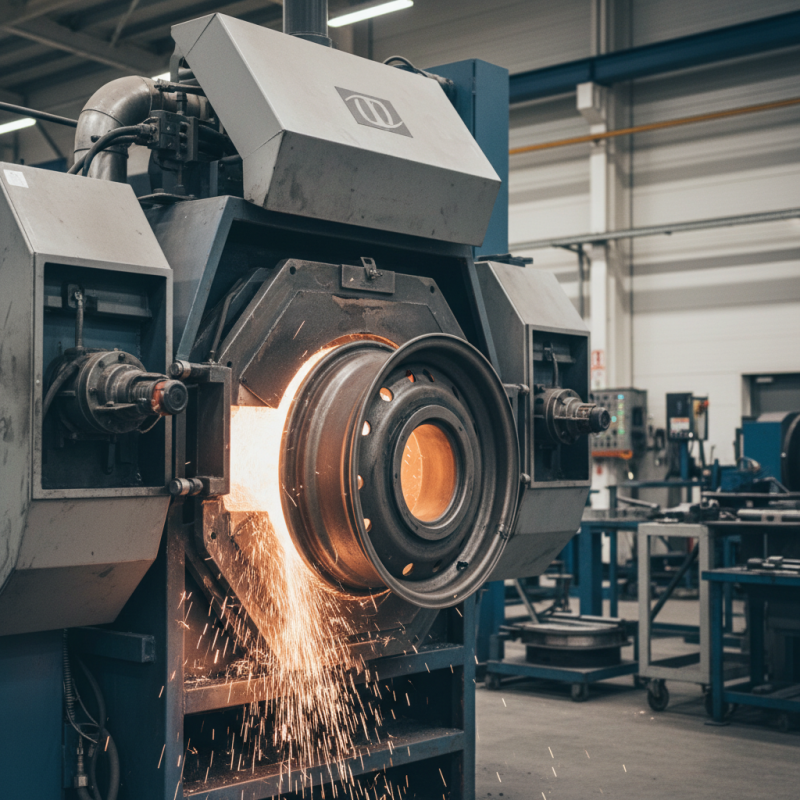
Wheel blasting machines are essential for surface preparation in various industries. They efficiently remove rust, scale, and old coatings. This process is crucial for enhancing the durability of metal components. According to industry reports, effective wheel blasting can increase the lifespan of treated materials by up to 50%. Understanding the specific application of these machines is vital before making a selection.
Different sectors, such as aerospace and automotive, require tailored solutions. The demands for each application might differ significantly. For example, aerospace components may need meticulous surface preparation to meet stringent regulations. On the other hand, heavy machinery parts may focus on robust cleaning. It's key to analyze your specific needs before investing.
Tips: Always evaluate the horsepower of the machine. Higher horsepower often translates to better efficiency. Also, consider the type of abrasive material used. Not all abrasives are suitable for every task. Reflecting on your operational processes can reveal areas for improvement. The wrong choice can lead to increased costs or subpar results.
Key Factors to Consider When Choosing a Wheel Blasting Machine
Choosing the right wheel blasting machine requires careful consideration of several key factors. One significant aspect is the type of material you will be blasting. Different materials require varying degrees of intensity and nozzle sizes. It's crucial to assess the substrate properties and the desired finish. An incorrect match may result in inadequate cleaning or surface damage.
Another important factor is the machine's capacity and efficiency. Evaluate the volume of work your operations demand. A machine that is too small may hinder productivity. On the other hand, an oversized machine could lead to wasted resources. Pay attention to energy consumption as well; inefficient models can inflate operational costs over time.
Maintenance and support services also play a vital role. Choose a machine with readily available parts and accessible service technicians. This prevents unnecessary downtimes and improves overall reliability. Reflecting on these elements can reveal hidden challenges that impact long-term satisfaction and effectiveness. Your choice should balance immediate needs and future scalability, making thoughtful reflection indispensable in this decision-making process.
Key Factors to Consider When Choosing a Wheel Blasting Machine
Types of Wheel Blasting Machines and Their Features
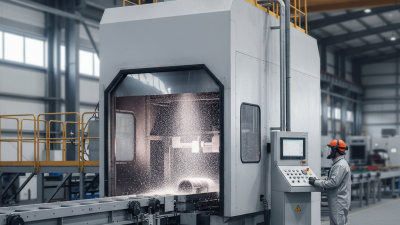
When selecting a wheel blasting machine, understanding the different types can be crucial. There are several variations available, each with unique features. Shot blast machines are common, designed for heavy-duty tasks. They use steel shot to clean and prepare surfaces effectively. Meanwhile, tumble blast machines are versatile and suited for small to medium-sized parts. Their rotary action ensures uniform coverage.
Another type worth noting is the belt blast machine. These machines are perfect for larger components. They convey items through the blasting chamber, allowing consistent treatment. Furthermore, spinner hanger machines enable intricate design features. They can rotate parts for complete surface exposure.
Each type of wheel blasting machine has advantages and limitations. Choosing the right one involves weighing needs against specifications. For instance, throughput might be essential for heavy industrial use. However, it’s equally important to consider maintenance requirements. Some machines may demand more frequent servicing. Reflecting on these factors will guide you towards an informed choice.
Evaluating Cost-Effectiveness and Budget Constraints
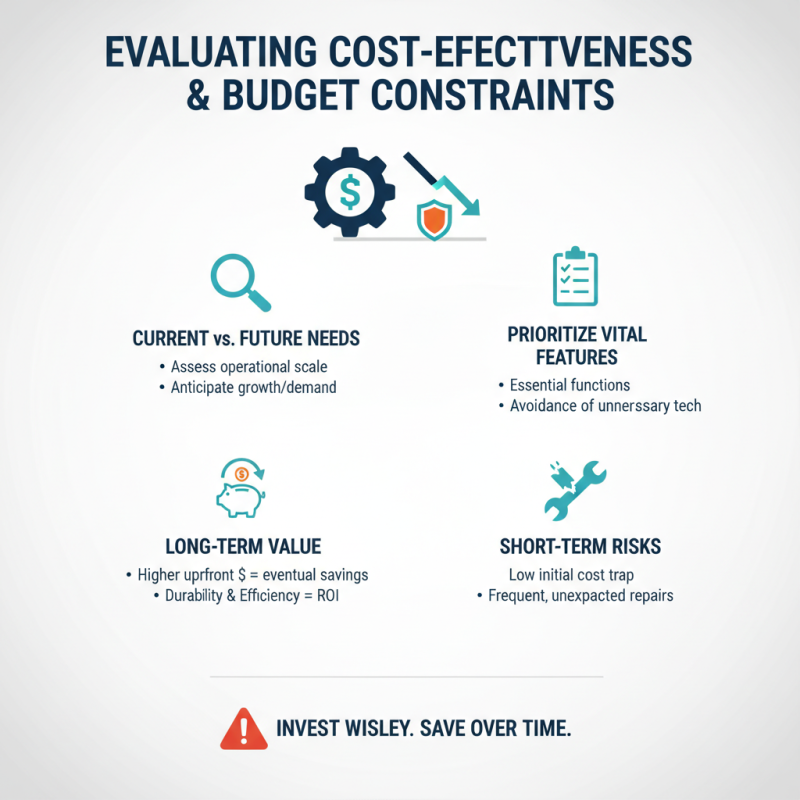
When considering a wheel blasting machine, cost-effectiveness is paramount. Evaluate your current needs versus future demands. Identify features that are vital for your operations. Sometimes, machines with higher upfront costs provide long-term savings. Look for durability and efficiency as key indicators of value. A short-term savings approach may lead to unexpected repairs later.
Set a realistic budget. Factor in not just the initial purchase price but also operational expenses. Think about maintenance costs, energy consumption, and potential downtime. It’s crucial to understand the total cost of ownership. Cheap machines can result in higher costs in the long run. Balancing budget constraints with quality is essential.
It's easy to focus solely on machine specifications. Yet, understanding how these choices impact your bottom line is critical. You might be lured by lower prices, but weigh their long-term implications. Each decision should be based on thorough research and expert advice. Consider visiting industry forums or consulting with professionals. Insights from these sources can provide clarity and enhance your decision-making process.
Maintenance and Support Considerations for Wheel Blasting Machines
When selecting a wheel blasting machine, maintenance and support cannot be overlooked. Regular maintenance ensures that the equipment operates efficiently and lasts longer. Proper care includes checking for wear and tear on parts, especially the wheel, blast nozzle, and the hopper. Skipping these checks can lead to unexpected breakdowns.
Consider the availability of technical support when making your choice. Reliable support can make a difference in minimizing downtime. For instance, quick responses to issues help maintain productivity. It's also essential to understand the training provided for using the machine. Operators should be familiar with maintenance practices to prevent common pitfalls.
Lastly, user manuals must be clear and accessible. An unclear manual can lead to improper maintenance techniques, which may worsen machinery issues over time. Anticipating potential challenges can equip users to deal with problems effectively. Engaging with experienced operators can provide insights that manuals might not cover.