How to Choose the Best H Beam Shot Blasting Machine?
Choosing the best H Beam Shot Blasting Machine is crucial for industries focused on metal fabrication. Renowned expert John Smith, a leading engineer in surface treatment technologies, emphasizes, "The right shot blasting machine can significantly enhance product quality and efficiency." This advice sheds light on the importance of making informed choices in this field.
H Beam Shot Blasting Machines are essential for preparing metal surfaces. They remove rust and contaminants effectively. However, not all machines are equal. Factors like size, capacity, and technology must be considered. A poorly chosen machine can lead to inefficiencies and increased operational costs. Each element of the machine plays a role in its overall effectiveness.
When selecting an H Beam Shot Blasting Machine, understand your specific needs. Consider the types of materials you'll be working with. Seek machines that align with your production goals. Remember, choosing wisely now can save time and resources in the future. It's a decision that warrants careful thought and reflection.
Understanding H Beam Shot Blasting Machines and Their Functions
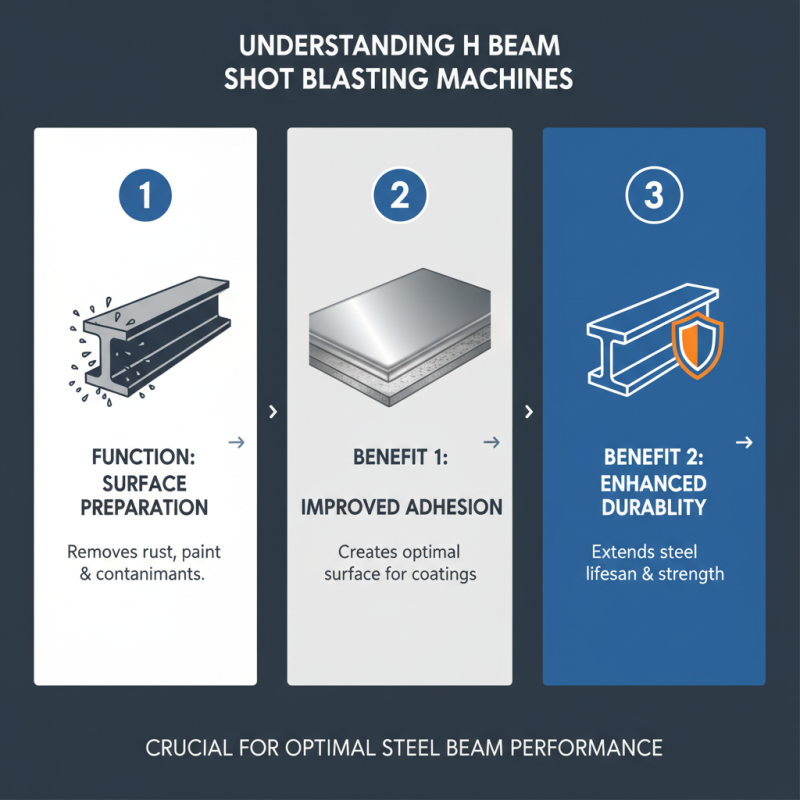
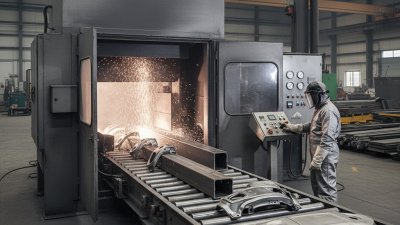
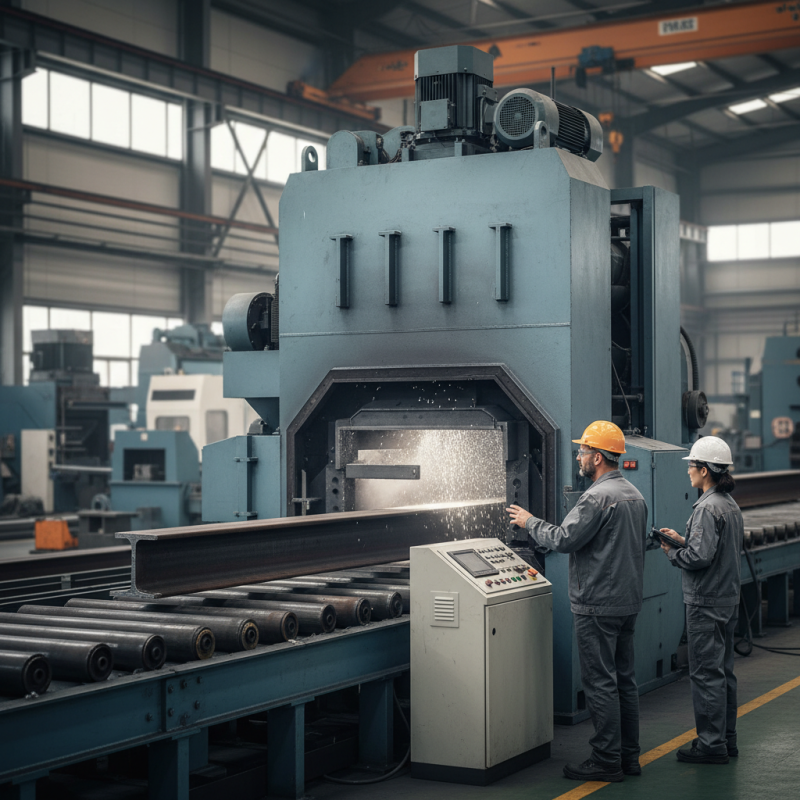
H Beam shot blasting machines play a crucial role in the preparation of steel beams. Understanding their functions can help in selecting the right model. These machines remove rust, paint, and contaminants from the surface of H Beams. This process improves adhesion for coatings and enhances the durability of the steel.
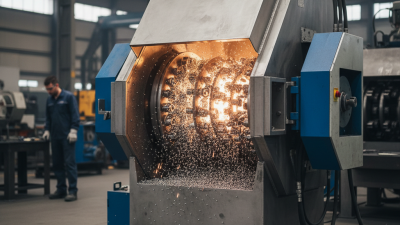
When choosing a machine, consider its operational efficiency. Different models offer varying blast media types and pressures. A machine that utilizes steel shot may provide a different finish compared to one using grit. Additionally, machine maintenance is vital. Regular upkeep can prevent unexpected breakdowns, impacting production timelines.
Safety features are essential too. Machines should have proper guarding and dust control systems. Operators must be trained to ensure safe usage. Consideration of these factors leads to better selection and helps avoid costly mistakes.
Key Factors to Consider When Selecting a Shot Blasting Machine
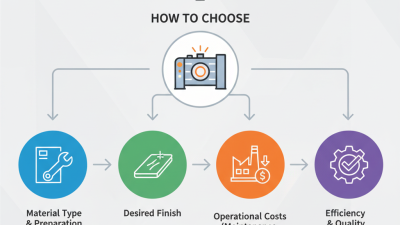
When selecting a shot blasting machine, it's crucial to assess several key factors. First, think about the material you will be blasting. Different materials require different types of media. For instance, steel shot is ideal for hard surfaces, while softer materials may need a gentler approach. This choice directly affects the machine's performance and the finish of the H beams.
Consider the machine's capacity and size. It should fit your workspace without crowding. A machine that's too large may cost more in energy and maintenance. However, a compact model might not handle bigger jobs efficiently. Evaluate your production needs and growth expectations.
Another critical aspect is the machine's durability and build quality. Look for robust construction that can withstand regular use. Machines with higher durability often have better long-term value. Be wary of cheaper options that may require frequent repairs. Ultimately, each factor impacts your operational efficiency and overall satisfaction. Feel free to ask for guidance, but always trust your instincts when making the final decision.
Evaluating the Size and Capacity of H Beam Shot Blasting Equipment
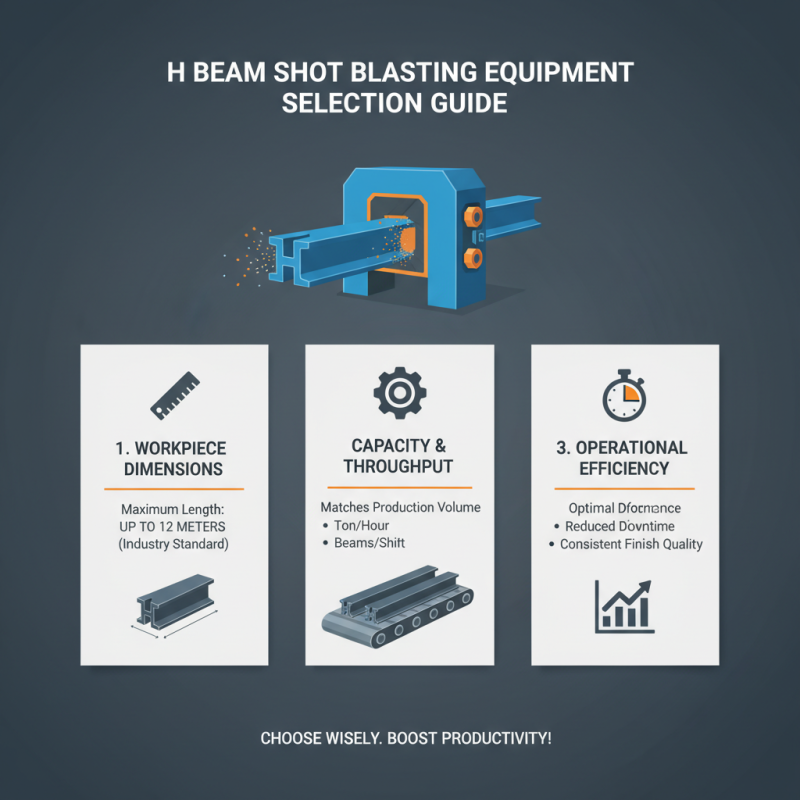
Choosing the right size and capacity for an H Beam shot blasting machine greatly impacts operational efficiency. It’s essential to understand the dimensions of your workpieces. For instance, industry standards suggest that machines should accommodate H beams up to 12 meters in length. This ensures that you can handle most standard sizes without compromising on productivity.
When assessing capacity, consider the machine's throughput. Some models can process several tons of steel per hour. However, higher capacity does not always mean better efficiency. Too much capacity can lead to wasted resources if your volume does not match the machine's capability. It is crucial to evaluate your production needs accurately.
Another important aspect is the internal chamber size. A larger chamber allows for more complex geometries, which can also minimize the number of operations needed. Some reports indicate that optimizing chamber dimensions can lead to up to a 30% increase in blasting efficiency. However, not all operations will benefit equally from larger chambers, which can sometimes lead to underutilization. This balance is vital for ensuring both effective and economical blasting processes.
Comparing Different Brands and Models of Shot Blasting Machines
When comparing different brands and models of H Beam shot blasting machines, it's crucial to evaluate their specifications. Look for key features like power consumption, blast cleaning rate, and maintenance ease. Some machines are known for higher efficiency, while others may require more frequent repairs. Understand your operational needs and budget limitations when assessing these elements.
User reviews can provide valuable insights into reliability and performance. Pay attention to feedback about durability and service support. Not all machines are built the same, and some may not meet industrial standards consistently. A machine that performs well initially might fail to deliver over time. Researching user experiences will highlight potential issues you might face.
Also, consider the availability of replacement parts. Some models might have long wait times for repairs and replacements. This can lead to unexpected downtimes. Brands that offer robust customer support tend to provide peace of mind. Creating a list of must-have features in your search can greatly improve your decision-making process.
Maintenance and Support for H Beam Shot Blasting Machines
Maintenance and support for H Beam shot blasting machines are critical for optimal performance. A well-maintained machine can enhance productivity and extend service life considerably. Regular inspections should be performed at least once every three months. This includes checking the wear of blast wheels and monitoring the condition of the dust collector. According to industry reports, neglecting routine maintenance can lead to a 20% decrease in efficiency.
It’s essential to have a reliable support system in place. Training operators on best practices can mitigate potential issues. A study found that over 30% of downtime is due to operator error. Ensuring operators understand machine functionality can significantly reduce this risk. Consider implementing a maintenance log to track all repairs and service dates. This will help identify patterns in machine performance, informing future maintenance schedules.
Although many businesses are aware of the importance of maintenance, actual practices can fall short. It's not uncommon for organizations to underinvest in necessary support. Additionally, some users fail to follow scheduled maintenance checks, leading to increased costs in the long run. Striving for continuous improvement in maintenance practices can address these issues effectively.