How to Choose the Best Shot Peening Equipment for Your Needs?
Choosing the right Shot Peening Equipment is crucial for manufacturers and engineers alike. This process enhances material properties. It reduces fatigue and increases the lifespan of components. However, not all equipment serves the same purpose. Different projects require different solutions.
Consider the specific needs of your applications. The size, type, and intensity of the peening process can vary widely. You may find traditional methods outdated or inadequate. New technologies may offer better efficiency and results.
The process involves more than just picking a machine. Factors like budget, maintenance, and operator training matter too. Reflect on these elements before making a decision. A thoughtful choice can elevate your production quality significantly.
Understanding Shot Peening and Its Applications
Shot peening is a mechanical process that enhances the material properties of metals. It involves bombarding the surface of a component with small spherical media. This creates compressive residual stress, reducing the chances of fatigue failure. Industries like aerospace, automotive, and manufacturing utilize shot peening to extend the lifespan of critical components.
Understanding the applications of shot peening is crucial. It plays a significant role in improving fatigue resistance, stress corrosion, and surface durability. Parts subjected to high stress, such as gears and shafts, particularly benefit from this process. However, it’s important to recognize that not every component requires shot peening. Overdoing it can lead to material distortion or cracking, which could be counterproductive.
Selecting the right equipment demands careful consideration. Different materials and geometries necessitate distinct approaches. A thorough assessment of the component's needs is vital before committing to a solution. Knowing when to apply shot peening can save time and resources. Searching for the right fit can sometimes feel overwhelming, but it's essential for ensuring the effectiveness of the process.
Key Factors to Consider When Choosing Equipment
When selecting shot peening equipment, several key factors come into play. The type of media you choose is crucial. Media can significantly influence the peening process and the end result. Steel shots, for instance, provide a hard impact that can improve fatigue resistance. A report from the International Journal of Pressure Vessels and Piping suggests that proper media selection can enhance component life by up to 60%.
Another important consideration is the size and design of the equipment. The scale of your operations will dictate the size required. Smaller operations might benefit from portable machines, while larger manufacturers may need robust systems tailored to high-volume production. Moreover, think about the required automation level. Many systems now offer automated features that improve both efficiency and accuracy. However, there’s a fine line; too much automation can lead to a loss of control over the process.
Finally, do not overlook the importance of maintenance. Equipment that requires frequent repairs can disrupt production. A study from the Society of Manufacturing Engineers highlights that maintenance training can reduce downtime by 30%. Investing in reliable equipment is essential, but be realistic about the potential for needed adjustments and the long-term care associated with your choice.
How to Choose the Best Shot Peening Equipment for Your Needs? - Key Factors to Consider When Choosing Equipment
| Factor |
Description |
Importance Level |
Recommended Range |
| Material Compatibility |
Ensure the equipment can handle the materials you will be using. |
High |
Steel, Aluminum, Titanium |
| Size of Parts |
The dimensions of the parts that will be peened. |
Medium |
Up to 6 feet in length |
| Peening Method |
Type of peening method (air, wheel, etc.). |
High |
Air or Wheel Peening |
| Control Systems |
Automation and adjustability of the equipment. |
Medium |
Manual or Automatic |
| Budget |
The total cost including installation and maintenance. |
High |
$10,000 - $100,000 |
| Supplier Support |
Availability of technical and customer support. |
High |
24/7 Support Preferred |
Types of Shot Peening Equipment Available in the Market
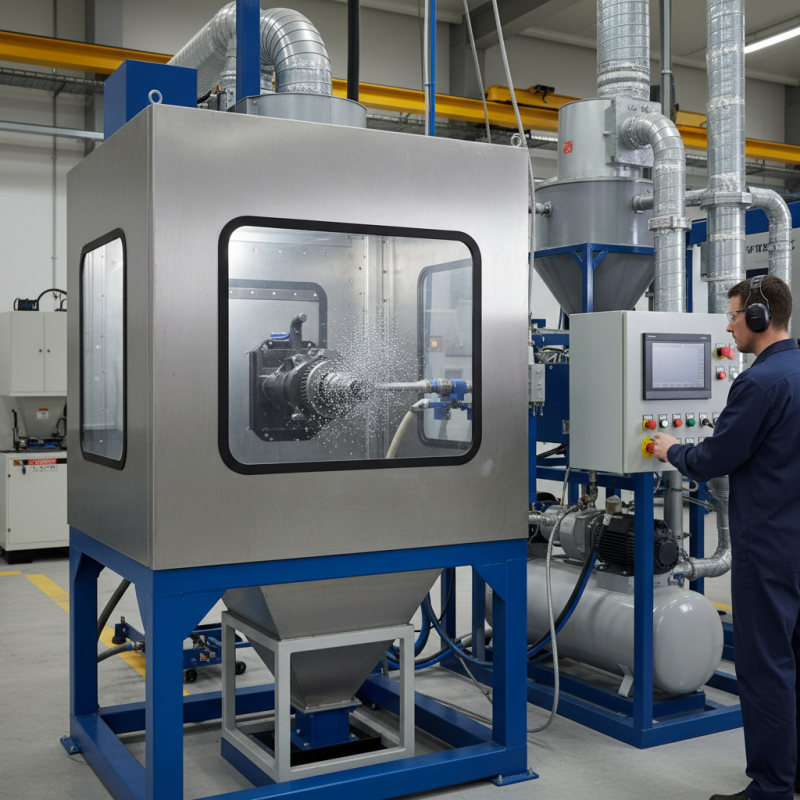
When selecting shot peening equipment, understanding the types available is crucial. There are various designs to consider, each with unique features. One common type is the air blast system, which uses compressed air to propel the media. This method offers flexibility and is suitable for small to medium-sized parts.
Another option is the wheel blast system. This equipment uses a rotating wheel to fling shot media, providing a consistent and powerful cleaning action. It's ideal for larger components and can boost production efficiency. However, potential users should consider maintenance demands, which can sometimes be overlooked.
Lastly, automated systems can enhance precision and reduce labor costs. They often have advanced controls for better consistency. Nevertheless, they may require a larger initial investment. Choosing the right type involves assessing needs, available space, and budget constraints. Each type has its advantages and limitations, and careful thought is necessary to select wisely.
Evaluating Equipment Performance and Specifications
When evaluating shot peening equipment, performance metrics are crucial. Look for parameters like intensity, coverage, and media type. Understanding these features helps in selecting the right machine. Intensity is about how hard the media impacts the surface. Coverage indicates the area affected by the shot. Both should align with your project needs.
Specifications matter just as much. Consider factors like productivity and machine size. A larger machine might seem appealing, but it requires more space. Is that feasible for your operation? Check the media recycling system, too. Efficient recycling can save costs long-term.
Lastly, pay attention to user feedback. Sometimes, equipment looks good on paper but underperforms in practice. Research multiple sources to gather insights. Talk to experienced users about their stories. They often share valuable, practical tips that specs don’t cover.
Budget Considerations for Shot Peening Equipment Purchase
Choosing the right shot peening equipment can be challenging.
Budget considerations are crucial.
According to industry reports, shot peening machines typically range from $10,000 to $100,000.
This price variation often depends on the equipment's capabilities, design, and technology.
Establishing a realistic budget helps narrow your options.
Investing wisely is essential. Consider long-term costs, including maintenance and operational expenses.
According to a 2022 survey, businesses can spend up to 20% of the initial investment annually on upkeep.
Remember, cheaper options may lead to higher long-term costs due to inefficiency or frequent repairs.
Tip: Don't overlook training costs. Proper training boosts productivity and minimizes errors.
Sometimes, the least expensive equipment can require costly training sessions.
Be wary of hidden costs that arise during purchase. Shipping, installation, and custom features can inflate your budget unexpectedly.
Understanding these factors can lead to more informed decisions.
A detailed cost analysis is recommended. Seek quotes from multiple suppliers and ask about warranties.
A well-considered purchase can yield better performance and savings.