How to Choose the Right Sand Shot Blasting Machine?
Choosing the right Sand Shot Blasting Machine is a crucial decision in many industries. The global shot blasting equipment market was valued at approximately $600 million in 2022. It is expected to grow due to the demand for surface preparation. This rise is driven by industries like automotive, aerospace, and construction.
When selecting a Sand Shot Blasting Machine, factors such as capacity, material compatibility, and automation features matter. Machines vary widely in design and efficiency. Industry reports indicate that a well-chosen machine can increase productivity by up to 30%. However, acquiring a machine that doesn't meet specific needs can lead to inefficiencies. The wrong choice may also result in higher maintenance costs.
Consider the long-term impacts of your decision. Cost-effectiveness and durability are essential. Opting for a low-quality machine can lead to frequent breakdowns. Reflect on your requirements to ensure the machine fits well within your operational parameters. Select wisely, as the right Sand Shot Blasting Machine can greatly enhance your production capabilities.
Understanding the Basics of Sand Shot Blasting Machines
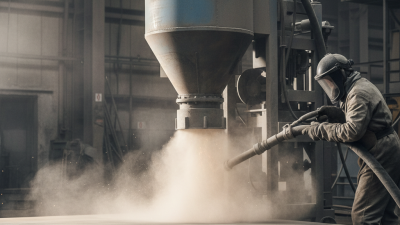
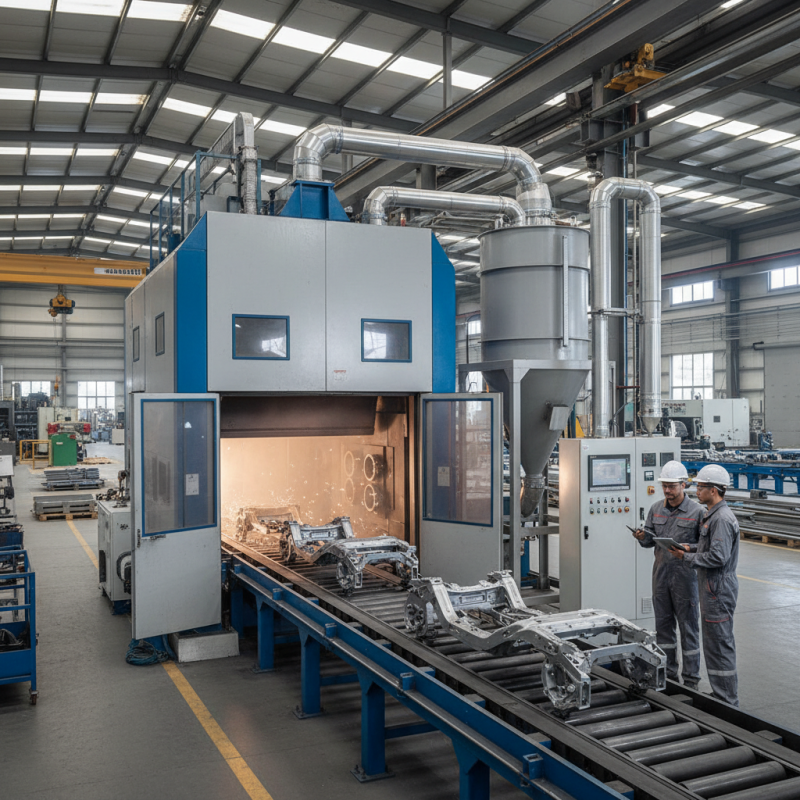
Sand shot blasting machines play a crucial role in surface treatment processes. These machines use abrasive materials, such as sand, to clean and prepare surfaces. Understanding how they work can help you choose the right one for your needs. According to industry reports, the global shot blasting machine market is expected to reach USD 600 million by 2025, reflecting a growing demand for efficient surface preparation technologies.
Safety is a significant concern in sand shot blasting. Proper ventilation and protective gear are essential for workers. Inadequate safety measures can lead to respiratory issues and skin irritations. A recent study indicated that 42% of workers in the blasting industry reported safety-related incidents due to insufficient training. This highlights the need for businesses to invest in proper training programs and equipment.
Machine specifications can be overwhelming. Factors like pressure, capacity, and abrasive type must be considered. Selecting the wrong machine can lead to inefficiencies. A detailed assessment of your project requirements is vital. Some companies have found that even minor adjustments to their blasting machine setup improved efficiency by 30%. Understanding these basics can significantly enhance your operation.
How to Choose the Right Sand Shot Blasting Machine? - Understanding the Basics of Sand Shot Blasting Machines
| Feature |
Description |
Importance |
| Blast Media Type |
Different types such as steel shots, sand, glass beads, etc. |
Affects surface finish and cleaning capability. |
| Machine Size |
Compact vs. large configurations based on workload. |
Determines efficiency and space requirements. |
| Automation Level |
Manual, semi-automatic, or fully automatic options. |
Impacts labor costs and operational efficiency. |
| Dust Control System |
Systems to limit airborne dust during operation. |
Critical for worker safety and compliance with regulations. |
| Maintenance Requirements |
Ease of maintenance and availability of spare parts. |
Affects long-term operational costs. |
| Safety Features |
Emergency stops, protective covers, and safety interlocks. |
Essential for operator safety and accident prevention. |
Identifying Key Features to Look for in a Sand Shot Blasting Machine
When selecting a sand shot blasting machine, identifying key features is essential. Look for machines with adjustable pressure settings. This allows you to customize the intensity of the blast based on different materials. It’s crucial to consider the type of work you will be doing. Do you need more power for tougher surfaces? Or is a gentler approach sufficient?
Tip: Always check the nozzle sizes available. Various diameter nozzles can offer different impacts and coverage. Having options will enhance your versatility. The right nozzle can really make a difference.
Also, consider the construction of the machine. A durable frame means better longevity. Sometimes, machines look solid but can fail under stress. It’s worth investing time to read user reviews. They often highlight both strengths and weaknesses.
Tip: Assess the portability of the machine. A heavy model might seem robust but can be cumbersome to move. If your projects vary in location, ease of transport matters. Finally, maintenance features should not be overlooked. A machine that's hard to maintain will lead to more headaches down the line.
Assessing the Suitable Applications for Sand Shot Blasting
When considering sand shot blasting, it's vital to match the machine to its intended application. For instance, the
aerospace industry often requires precision cleaning of complex components.
A recent industry study revealed that 70% of aerospace professionals prioritize equipment that minimizes surface damage
while maximizing efficiency. This highlights the importance of not just choosing any machine but one designed for specific tasks.
Applications vary widely. For heavy-duty projects like shipbuilding, robust machines are preferred.
These can handle thicker rust and coatings. On the contrary, delicate jobs, such as restoring vintage cars, need gentler options.
Inadequate machine selection can lead to costly errors, such as surface defects or inadequate cleaning.
According to an analysis, up to 30% of projects suffer from inefficiencies caused by improper machinery choices.
Additionally, many operators report challenges with adapting to different materials. Each material reacts differently to blasting.
For example, aluminum may require completely different settings than steel. About 40% of professionals surveyed indicated that they had to
readjust their approaches multiple times during a project. This reflects a broader struggle to find the best practices and equipment for specific
materials and applications. Proper assessment of applications ensures not only success but also quality assurance.
Evaluating Budget and Cost Considerations in Choosing a Machine
When selecting a sand shot blasting machine, budget considerations play a crucial role. The initial cost can vary significantly. Machines range from $5,000 to over $100,000. This variation often depends on size, capacity, and automation features.
Additional costs should not be overlooked. Maintenance can add hundreds annually. A study revealed that 30% of operational budgets go toward maintenance in manufacturing facilities. Investing in durable machines may reduce long-term repair costs. Labor costs also need evaluation. Training staff to operate complex machines might increase immediate expenses.
Evaluating total cost of ownership is essential. This includes purchase price, maintenance, energy consumption, and labor costs. A poorly chosen machine can lead to inefficiencies. Companies can incur losses of up to 25% in productivity. Balancing upfront costs with long-term savings is critical for making informed decisions. Consider all aspects carefully before committing funds to a machine.