How to Choose the Right Sandblasting Equipment for Your Projects?
Choosing the right sandblasting equipment can significantly impact your project’s success. According to John Carter, a leading expert in the sandblasting industry, “The right tools make all the difference in achieving quality finishes.” His insight encapsulates the essence of selecting appropriate sandblasting equipment.
The variety of sandblasting equipment available can be overwhelming. From portable units to more complex systems, each serves a specific purpose. Consider your project’s requirements before making a decision. You need to evaluate factors like the size of the job and the materials involved. Not every piece of equipment will suit your needs.
Understanding the nuances of sandblasting equipment is crucial. For instance, different nozzles can yield varying results on surfaces. Sometimes, the equipment you choose may not work as effectively as expected. This calls for research and experience. Don’t rush into a purchase. Take time to reflect on your specific needs.
Understanding Different Types of Sandblasting Equipment Available
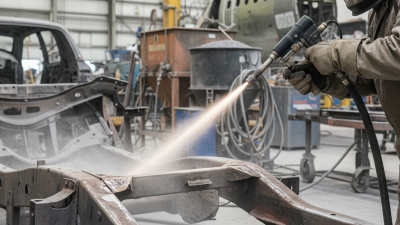
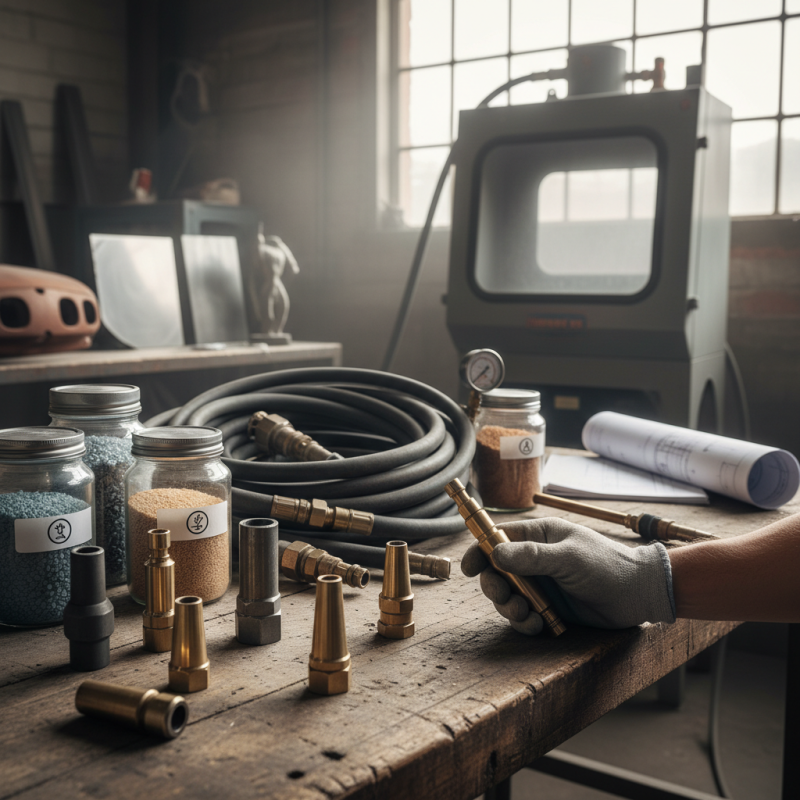
When selecting sandblasting equipment, it's essential to understand the various types available. Each type serves unique purposes and offers different advantages. For instance, a suction-type sandblaster is a versatile choice for light-duty tasks. It uses ambient air to draw abrasive materials from a container. This makes it an excellent option for DIY enthusiasts or small projects.
In contrast, pressure pot sandblasters are designed for heavier workloads. They require a separate air compressor and can handle more abrasive material. This equipment allows for faster cleaning and better control. However, they can be more complex to set up. Beginners might find this intimidating. Still, the efficiency makes them worth considering for extensive jobs.
There’s also the need to consider the material you will be blasting. Different materials require specific abrasives. Glass beads work well on delicate surfaces, while aluminum oxide is ideal for tougher tasks. Experimenting with various combinations can lead to ideal outcomes. Just be prepared for a learning curve. Mistakes can happen, but they often lead to valuable insights. Understanding these types of sandblasting equipment helps make informed choices for your projects.
How to Choose the Right Sandblasting Equipment for Your Projects?
| Equipment Type |
Best For |
Media Used |
Operating Pressure (psi) |
Portability |
| Sandblasting Cabinet |
Indoor use, small parts |
Glass Beads, Aluminum Oxide |
40-100 |
Stationary |
| Portable Blaster |
Outdoor use, large surfaces |
Silica Sand, Steel Grit |
60-120 |
Highly Portable |
| Suction Blaster |
Versatile applications |
Crushed Glass, Garnet |
30-80 |
Moderately Portable |
| Pressure Pot Blaster |
Heavy-duty use |
Steel Shot, Walnut Shells |
70-150 |
Less Portable |
Evaluating Your Project's Specific Requirements for Sandblasting
When evaluating your project's specific requirements for sandblasting, understanding the material is key. Different surfaces react uniquely to abrasive materials. Metal, wood, and glass each require different approaches. For example, softer materials may get damaged easily, while harder surfaces can endure heavier abrasives. Knowing what you're working with makes all the difference.
Another crucial consideration is the scale of your project. Are you working on a small DIY task or a large industrial job? The size and power of your sandblasting equipment should match the scope of your work. For small projects, a portable unit might suffice. Larger tasks often need more powerful systems to ensure efficient and effective results.
Reflecting on the project scale helps in making informed choices.
Safety should never be overlooked. Sandblasting can create harmful dust and debris. Ensure your workspace is equipped with adequate ventilation and protective gear. Consider these factors seriously; neglecting safety can lead to serious health issues. Balancing project needs and safety requires thoughtful planning and awareness of risks involved. Make no assumptions, as each project presents unique challenges.
Key Features to Look for in Sandblasting Machines
When selecting sandblasting equipment, key features are essential for effective projects. First, consider the type of media you will use. Common materials include silica sand, glass beads, and aluminum oxide. Each type offers different benefits. For example, glass beads are less abrasive and suitable for delicate surfaces.
Next, assess the pressure ratings of the machines. According to industry reports, optimal pressure levels can range from 40 to 100 PSI for most applications. Too low pressure may not achieve the desired finish, while too high can damage surfaces. Portable options often provide adaptability but can lack power.
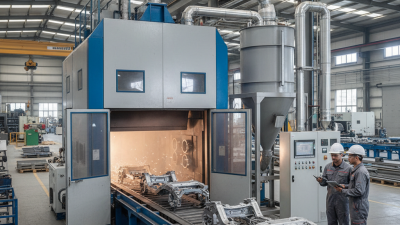
Another crucial factor is the nozzle design. A good nozzle can improve efficiency. Industry studies highlight that nozzles with adjustable sizes can enhance accuracy and reduce overspray. A well-designed nozzle contributes to the project's overall effectiveness. Lastly, evaluate safety features. Many machines are equipped with safety filters or dust collectors. These improve air quality and worker safety.
Using the right equipment improves outcomes significantly. However, some operators may overlook maintenance. Regular checks on hoses and connections are vital to avoid performance drops. Investing thoughtfully in sandblasting equipment can lead to better project results and increased efficiency.
Sandblasting Equipment Comparison
Assessing Budget and Cost-Effectiveness in Equipment Selection
When selecting sandblasting equipment, budget and cost-effectiveness play a crucial role. You need to assess your project requirements and match them with your financial capabilities. Analyze the initial purchase cost, ongoing maintenance, and operational expenses. A lower upfront cost might lead to higher long-term costs if the equipment requires frequent repairs. Prioritize quality, as a durable and effective system saves money in the long run.
Tips: Always compare multiple quotes before making a decision. Look for used equipment that fits your needs. It can be a cost-effective solution if properly inspected and maintained.
Consider the type of projects you'll undertake. Smaller projects might not require heavy, expensive equipment. Evaluate your workload to determine the appropriate scale. It's essential to avoid over-investing in equipment that will see limited use. Researching each option helps ensure you're making informed decisions based on long-term value rather than just immediate cost.
Tips: Take note of user reviews and testimonials. They can highlight equipment reliability and efficiency. Don’t hesitate to ask experts for their insights, as experience can guide you to the best choices.
Safety Considerations When Choosing Sandblasting Equipment
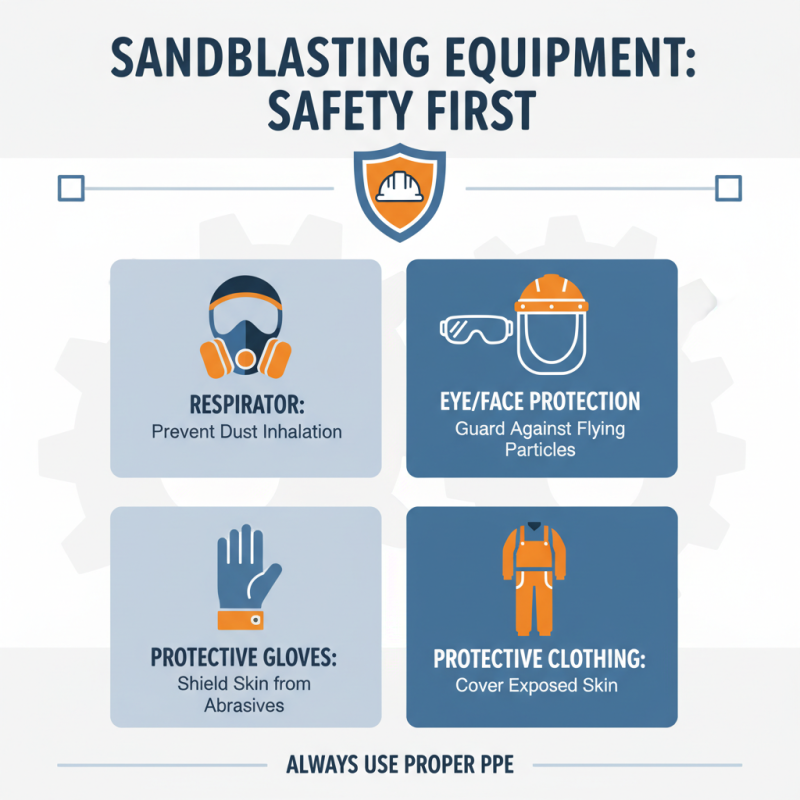
When selecting sandblasting equipment, safety is paramount. Proper personal protective equipment (PPE) is essential. Ensure you wear a suitable respirator to avoid inhaling harmful dust. Eye protection, such as goggles or face shields, can prevent serious injuries from flying particles. Heavy-duty gloves and protective clothing are critical to shield your skin from abrasive materials.
Ventilation is another key safety consideration. Working in a well-ventilated area can reduce the risk of inhaling toxic particles. If ventilation is poor, consider using local exhaust systems. It may also be wise to conduct a test run to see if the equipment generates excessive noise or dust before starting your project.
Evaluate the equipment's layout. Is the workspace sufficient to operate safely? Clutter can lead to accidents. Always have an emergency plan in case of incidents. Ensuring that the equipment is suitable for the job reduces risks. Inefficient setups might compromise safety and effectiveness, leading to potential injuries. Take time to analyze all aspects carefully.