How to Choose the Right Wheel Blast Equipment for Your Project Needs
Selecting the appropriate Wheel Blast Equipment for your project can significantly impact the efficiency and effectiveness of your surface preparation processes. According to a report by TechSci Research, the global shot blasting equipment market is expected to reach USD 1.12 billion by 2026, highlighting the growing importance of advanced surface treatment technologies across various industries.
With applications ranging from automotive to aerospace, choosing the right wheel blast system is crucial for optimizing production cycles and enhancing surface quality. Factors such as machine capacity, type of media, and automation capabilities play a vital role in determining the suitability of a particular equipment type for your specific needs.
As industries increasingly focus on sustainability and cost-effectiveness, understanding the intricacies of wheel blast technology becomes essential for making informed decisions and achieving desired project outcomes.
Understanding Your Project Requirements for Wheel Blast Equipment
When selecting the appropriate wheel blast equipment for your project, the first step is to thoroughly understand your specific project requirements. This means evaluating the materials you will be working with, the surface conditions that need to be addressed, and the desired finish. Different materials may require different blast media and techniques to achieve optimal results. Analyzing these factors will help narrow down your options and ensure you select equipment that matches your project's demands.
Tips: Consider conducting a trial or pilot run with a smaller piece of your equipment. This can provide valuable insights into how different settings and media types affect your project. Additionally, consulting with equipment manufacturers can yield advice tailored to your specific material and finish requirements.
Moreover, consider the scalability and efficiency of the equipment you choose. If your project is a long-term one, investing in high-quality, durable machinery can lead to improved productivity and cost savings over time. Ensure the equipment is versatile enough to accommodate potential changes in project scope, as flexibility can be crucial for meeting evolving needs while maintaining quality.
Tips: Keep an eye on the maintenance requirements of the equipment. Selecting machinery that is easy to maintain can save you time and money in the long run, allowing you to focus on delivering the best results possible for your project.
Evaluating Different Types of Wheel Blast Systems Available
When evaluating different types of wheel blast systems for your project needs, it's essential to understand the specific requirements of your application. Wheel blast systems can vary significantly, including blunt blast, shot peening, and grit blasting. According to a report by the Research and Markets, the global abrasive blasting equipment market is projected to reach $5.78 billion by 2025, showcasing the growing need for advanced wheel blast systems in various industries.
When selecting the appropriate wheel blast technology, consider key factors such as the type of material being processed and the desired surface finish. For instance, a study by Smithers Pira highlights that wheel blast systems equipped with advanced automation features can increase productivity by up to 30% while ensuring consistent surface quality. Additionally, evaluating equipment that offers flexible media options can further enhance performance, allowing for tailored solutions that suit different substrate materials. Ultimately, selecting the right system is crucial for maximizing efficiency and achieving optimal results in your blasting operations.
Comparison of Different Types of Wheel Blast Equipment
Assessing the Compatibility of Equipment with Surface Materials
When selecting wheel blast equipment for your project, assessing the compatibility of the equipment with surface materials is crucial. Different surface materials, such as steel, aluminum, and concrete, require specific blast media and equipment settings to achieve optimal results. According to a report by the Abrasive Blasting Manufacturers Alliance (ABMA), nearly 30% of abrasive blasting failures can be traced back to equipment and material mismatches, highlighting the importance of careful compatibility assessments.
For instance, when working with delicate substrates like aluminum, it is essential to choose a wheel blast system that can handle lighter media effectively. The right combination can prevent surface deformation or damage, which is especially critical in industries such as aerospace and automotive. Moreover, surface finish standards play a significant role; the Society for Protective Coatings (SSPC) emphasizes that surface preparation is key to the longevity of coatings and treatments, necessitating the use of compatible equipment that adheres to specific surface cleanliness standards. Therefore, understanding the nuances of material compatibility is not just a matter of efficiency but also a fundamental aspect of achieving long-lasting results in surface preparation.
Analyzing Efficiency and Productivity Factors in Wheel Blast Selection
When selecting wheel blast equipment for your project, it's essential to analyze efficiency and productivity factors that align with your specific needs. The shot blasting machine market is expanding significantly, projected to reach $2.22 billion by 2032. This growth, with a compound annual growth rate (CAGR) of 6.7%, reflects the increasing demand for more efficient blasting solutions across various industries. Therefore, understanding the performance capabilities of different machines can greatly influence your project's success.
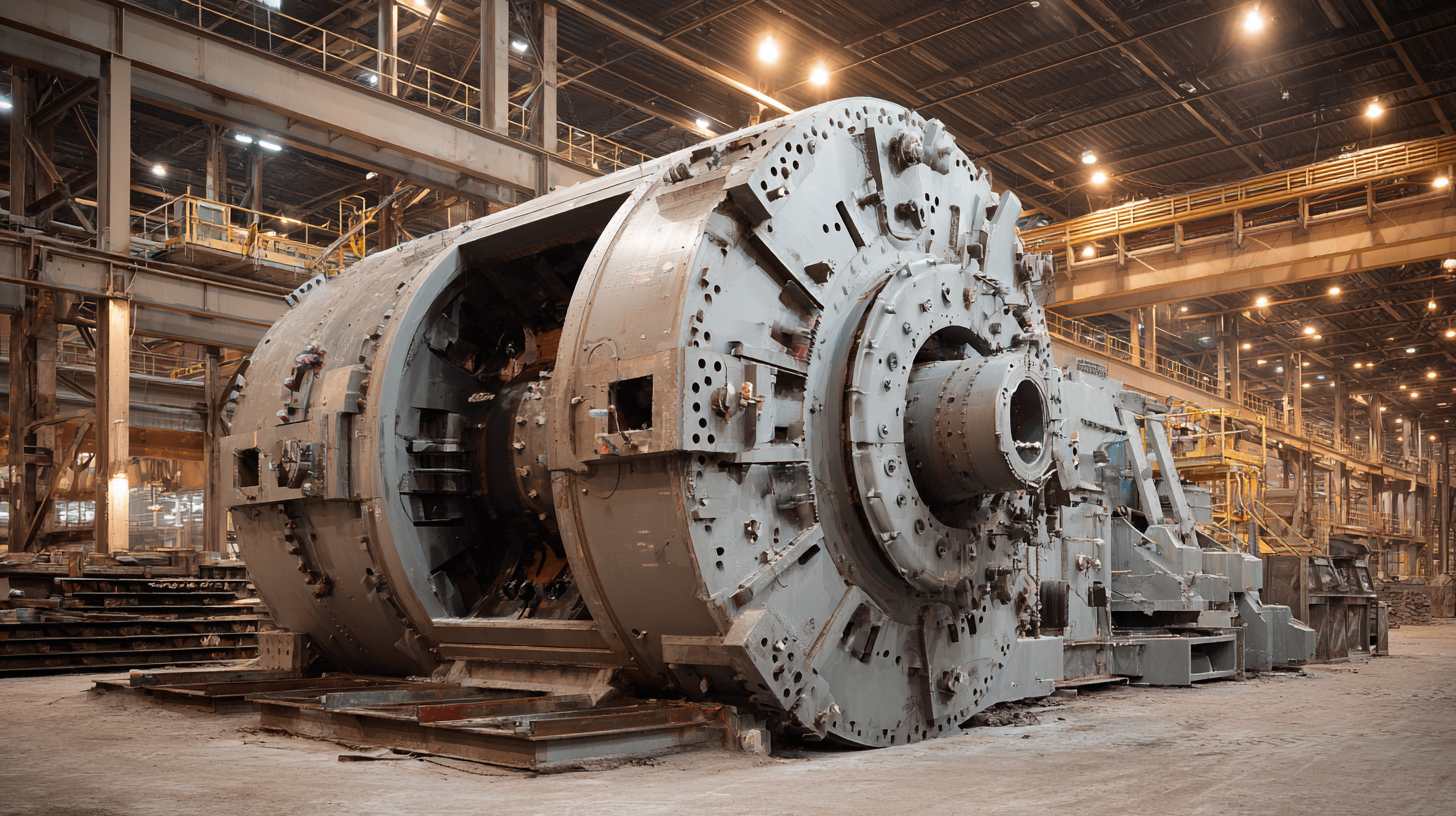
Key productivity factors to consider include the machine's throughput capacity, energy consumption, and the quality of finish it can achieve. A higher throughput can translate into reduced cycle times, enhancing overall productivity. Additionally, energy-efficient systems can lower operational costs, making them more appealing in the long run. Finally, the quality of the finish is crucial; selecting equipment that delivers consistent results will minimize rework and maximize operational efficiency. By weighing these factors, you can ensure that the wheel blast equipment you choose will meet your project's demands effectively.
Budgeting for Wheel Blast Equipment: Cost versus Performance Considerations
When selecting wheel blast equipment for your project, budgeting is a critical aspect that directly influences the decision-making process. It's essential to strike a balance between cost and performance. Often, cheaper options might lure you in with their low initial prices; however, they can incur higher operational costs and may not deliver the quality results required for your specific applications. Therefore, performing a thorough cost analysis that includes both purchase price and long-term operational efficiency is vital for making an informed choice.
**Tips:** Assess the lifespan and maintenance requirements of the equipment. Sometimes investing a bit more initially can save significant costs in repairs and downtime later. Also, consider the availability of replacement parts and service support when evaluating the total cost of ownership.
Investing in quality wheel blast equipment can enhance performance, improve productivity, and ultimately yield better results. Focus on equipment that enhances your specific operational needs without compromising on reliability. Evaluate whether options with advanced features justify their higher price points through improved efficiency or reduced waste, which may pay off in the long run.
**Tips:** Reach out to industry professionals for recommendations on brands known for durability and performance, as well as user experiences that showcase the cost-benefit ratios. Choosing wisely here can be pivotal for the success of your projects.
How to Choose the Right Wheel Blast Equipment for Your Project Needs
| Equipment Type |
Cost Range ($) |
Performance (Square Feet per Hour) |
Noise Level (dB) |
Ideal Use Case |
| Wheel Blast Machine |
10,000 - 50,000 |
150 - 350 |
85 - 95 |
Heavy Rust Removal |
| Portable Blast System |
5,000 - 20,000 |
50 - 150 |
80 - 90 |
Fieldwork and Small Projects |
| Automated Blast System |
30,000 - 100,000 |
300 - 600 |
85 - 92 |
High Volume Metal Fabrication |
| Centrifugal Blast Machine |
15,000 - 40,000 |
100 - 250 |
83 - 90 |
Precision Cleaning |