How to Choose the Right Wheel Blasting Machine for Your Needs?
Choosing the right Wheel Blasting Machine is critical for various industries. According to Dr. Mark Johnson, a leading expert in surface preparation technology, “Selecting the right equipment can make or break your production efficiency.” This statement underscores the importance of informed decision-making in the selection process.
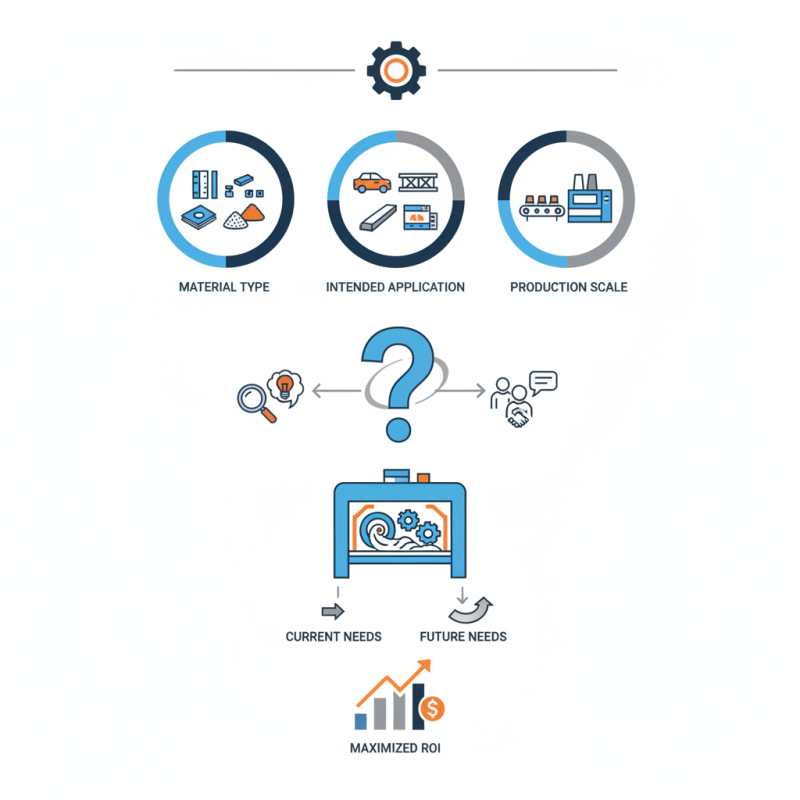
When considering a Wheel Blasting Machine, factors like material type, intended application, and production scale come into play. Each machine offers distinct features that cater to varying needs. For instance, a machine suited for heavy-duty applications may not be ideal for delicate components. Users often overlook these nuances, leading to costly errors.
Moreover, understanding your specific requirements can be daunting. Many businesses have faced challenges by choosing machines that do not align with their operational goals. Engaging with experts and conducting thorough research can provide clarity. Your choice of Wheel Blasting Machine should fit both your current and future needs to maximize return on investment.
Understanding the Different Types of Wheel Blasting Machines
Choosing the right wheel blasting machine is crucial for various applications. Understanding the types of machines available can help you make an informed decision. There are several categories to consider, mainly airless and air-operated machines. Airless machines utilize centrifugal force, making them efficient for heavy-duty tasks. They are ideal for large surfaces but can come with a steeper learning curve.
Air-operated machines, on the other hand, are often more user-friendly. They work by utilizing compressed air to propel abrasive materials. This makes them suitable for lighter applications. However, they may not offer the same depth of cleaning as airless machines. Knowing the specific project requirements can guide your choice.
You may also want to consider the available nozzle types and abrasive materials. Different nozzles can affect the spray pattern and coverage. Not every project will require the same setup. Reflect on your goals and the material you're working with. Balancing speed and precision can be a challenge. It's essential to understand that what works for one project might not be effective for another.
Wheel Blasting Machine Types and Their Popularity
Evaluating Your Material and Surface Treatment Requirements
Choosing the right wheel blasting machine starts with understanding your material and surface treatment needs. Different materials require different types of blasting techniques. For instance, metal surfaces may need a different approach compared to concrete or wood. Assessing your material's durability can guide you in selecting the appropriate abrasive medium.
Consider the surface condition of the items you wish to treat. Are they rusty, painted, or dirty? Each scenario calls for specific treatment methods. Using the wrong abrasive can lead to damage, affecting the integrity of the material. Additionally, think about the desired finish. A rougher finish may be needed for better paint adhesion, while smoother surfaces work well for aesthetic purposes.
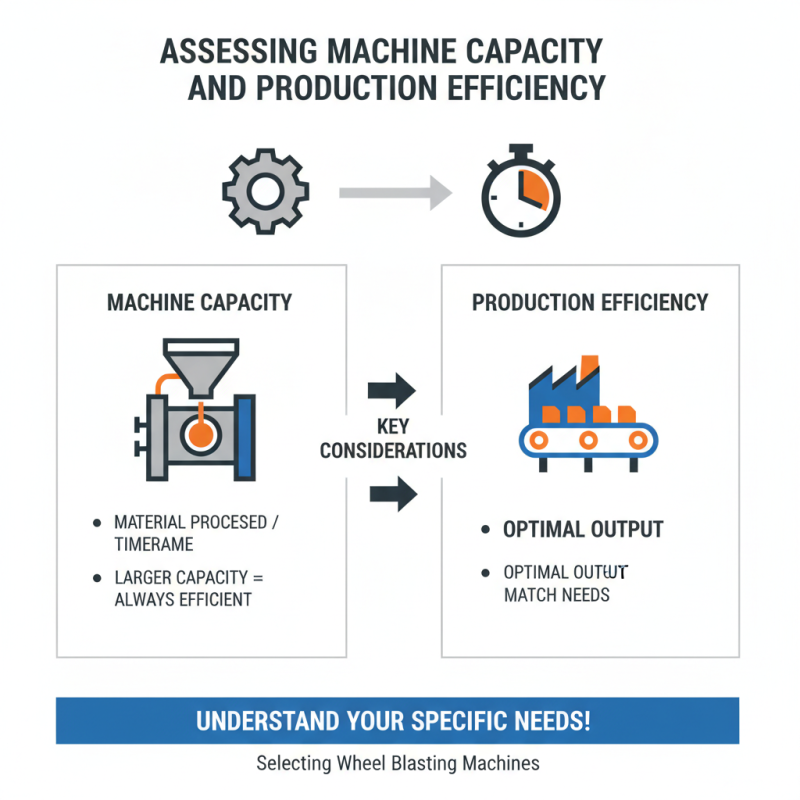
Reflect on the scale of your projects. Smaller operations might not need high-capacity machines, whereas larger enterprises may require robust solutions. You're also faced with the challenge of maintenance and operation costs.
Balancing efficiency with budget constraints is essential. Take time to evaluate these factors thoroughly before making a decision. It's a step that can save you time and resources in the long run.
Important Features and Specifications to Consider
Choosing the right wheel blasting machine involves examining key features and specifications closely. One critical aspect is the size of the machine. It should fit your workspace while accommodating your production needs. Consider the wheel speed; higher speeds yield better cleaning efficiency. However, too high can damage sensitive parts.
Material compatibility is another vital factor. The machine should handle the materials you intend to blast without creating excess wear. Pay attention to power consumption as well; efficient models save costs in the long run. Effective dust control is essential for safety and compliance. Look for machines with proper filtration systems to maintain air quality.
Evaluate the machine's accessibility for maintenance. Frequent upkeep is necessary for optimal performance. While a compact design might seem appealing, ensure it doesn't compromise serviceability. Be mindful of the initial price versus long-term value. Look for outlets providing clear data on durability and warranty options. Remember, practicality often outweighs flashy features.
How to Choose the Right Wheel Blasting Machine for Your Needs? - Important Features and Specifications to Consider
| Feature |
Description |
Importance |
| Type of Abrasive |
The material used for blasting, such as steel shots, grit, or sand. Different materials offer various finishes. |
Affects performance and finish quality. |
| Blast Wheel Size |
The diameter of the blast wheel impacts the speed and efficiency of the blasting process. |
Determines coverage area and blasting effectiveness. |
| Control Systems |
Automated or manual settings for adjusting blasting parameters and monitoring the process. |
Enhances precision and consistency. |
| Maintenance Requirements |
Frequency and complexity of upkeep tasks necessary to maintain optimal performance. |
Impacts downtime and overall costs. |
| Capacity and Size |
Physical dimensions and throughput capacity of the machine, influencing production capabilities. |
Determines efficiency based on your production needs. |
| Safety Features |
Incorporated technologies to protect operators and prevent accidents during the blasting process. |
Critical for compliance and worker safety. |
Budgeting and Cost Considerations for Wheel Blasting Machines
When considering a wheel blasting machine, budgeting is critical. The cost can vary significantly based on capacity, features, and brand. Industry reports suggest that prices typically range from $20,000 to $100,000 for standard models. Deciding on the best fit requires evaluating your specific needs and financial constraints.
Operational costs must also be factored in. These include maintenance, media replacement, and energy consumption. A recent study found that ongoing maintenance can account for up to 15% of the total cost over a machine's lifespan. Ignoring these recurring expenses could lead to budget overruns. It’s essential to assess the total cost of ownership rather than just the initial purchase price.
Investing in a high-quality machine can yield long-term savings. A robust machine may have a higher upfront cost but can last longer and require less maintenance. Some reports indicate that reliable equipment can last over ten years with regular care. Balancing initial investment and longevity is vital for making a sound financial decision.