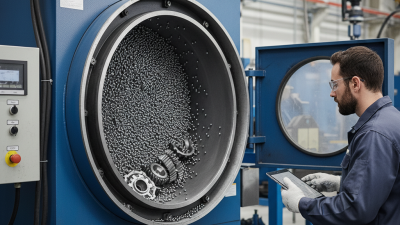
How to Choose the Right Plate Blasting Machine for Your Needs?
Choosing the right Plate Blasting Machine can significantly impact your business. The industry has seen a surge in demand, with market reports indicating a growth rate of approximately 5.4% annually. This rising trend underscores the importance of selecting equipment that meets your specific needs. Experts like Dr. Emma Horowitz suggest, "The right machine can enhance productivity and efficiency in abrasive blasting."
When considering a Plate Blasting Machine, it’s essential to assess your production requirements and material types. Different machines offer varied capabilities, and not all may suit your operations. For instance, a machine designed for heavy-duty tasks may overwhelm smaller projects while underperforming for intricate jobs.
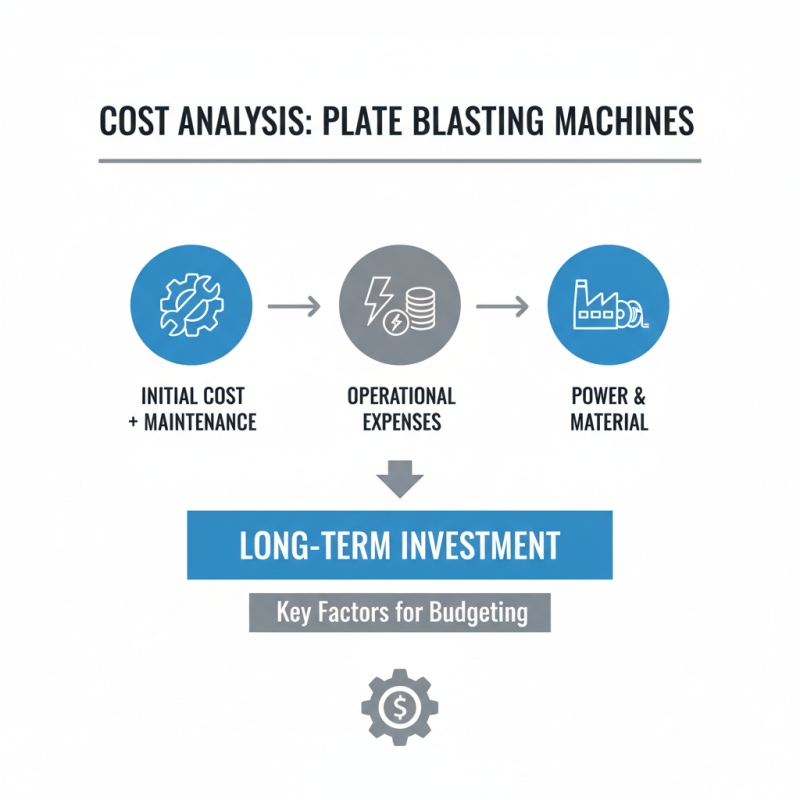
Reflecting on user experiences reveals that many businesses initially choose machines based purely on cost. However, lower prices can lead to higher long-term expenses. Evaluating both upfront costs and operational efficiency is crucial. Investing in the right Plate Blasting Machine is not just about immediate savings; it necessitates a thoughtful assessment of future needs and potential growth.
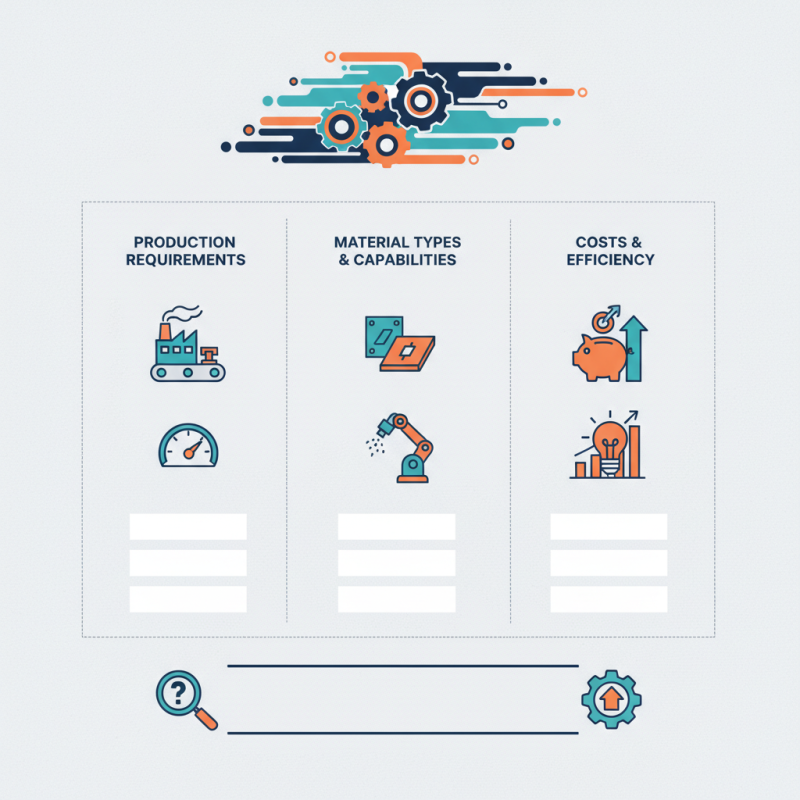
Factors to Consider When Selecting a Plate Blasting Machine
Choosing the right plate blasting machine requires careful consideration of several factors. It's essential to evaluate the type of materials you'll be working with. For instance, steel plates and aluminum components require different blasting media. According to industry data, over 60% of manufacturers prioritize media compatibility when selecting machines. This ensures optimal surface preparation without damaging the substrate.
Another critical factor is machine capacity. Blasting machines come in various sizes, influencing productivity significantly. A report from the Surface Finishing Institute indicates that operational efficiency can increase by up to 30% with the right machine size. Oversized systems may lead to wasted energy and higher operational costs. Conversely, undersized machines can bottleneck your operations, resulting in delays.
**Tip:** Always assess your current and future production needs. A machine that meets today’s requirements may not suffice tomorrow.
Maintenance requirements also warrant attention. Some machines demand frequent upkeep, affecting overall productivity. According to machinery maintenance studies, about 40% of downtime in manufacturing originates from machinery failure. Regular maintenance schedules can help avoid this issue, but they also require time and resources.
**Tip:** Consider maintenance support and service availability. Machines with reliable service plans can save money over time.
Types of Plate Blasting Machines and Their Uses
When selecting a plate blasting machine, understanding the different types is crucial. There are several categories available, each with specific applications. For example, shot blasting machines are ideal for removing rust and scale from metal surfaces. They use steel shots to achieve a clean finish. This method is effective but can lead to surface roughness. Consider how this affects your project.
Another common type is abrasive blast machines. These machines can utilize various materials like sand, garnet, or glass beads. Each medium offers different benefits. Glass beads are gentle and leave a smooth finish, while garnet provides more aggressive cleaning. Choosing the wrong medium can impact your final product's quality.
Lastly, there are automated plate blasting systems. These are efficient and great for high-volume operations. However, they require a larger initial investment and more maintenance. It’s essential to evaluate your production needs. Understand the trade-offs involved with speed versus precision. You may have to reconsider your priorities when selecting the right machine for your needs.
How to Choose the Right Plate Blasting Machine for Your Needs?
| Type of Plate Blasting Machine |
Application |
Pros |
Cons |
| Manual Plate Blasting Machine |
Small to medium-sized parts cleaning |
Cost-effective, versatile |
Labor-intensive, slower processing time |
| Automated Plate Blasting Machine |
High-volume production |
Efficient, consistent results |
Higher initial investment |
| Portable Plate Blasting Machine |
Fieldwork or onsite cleaning |
Easy to transport, flexible usage |
Limited capacity and power |
| Crawler Plate Blasting Machine |
Heavy machinery and large surfaces |
Effective for large jobs, less manual labor |
High operational cost, requires maintenance |
Industry Standards for Plate Blasting Efficiency and Safety
When selecting a plate blasting machine, prioritizing industry standards for efficiency and safety is crucial. Experts recommend machines that adhere to ANSI/ASSP Z117.1 safety standards. This can significantly improve operational safety and meet regulatory compliance. According to a recent industry report, enhancing safety measures can reduce workplace accidents by up to 25%. This emphasizes the importance of choosing equipment designed with user safety in mind.
For optimal blasting efficiency, look for machines with a high CFM (cubic feet per minute) rating. A CFM rating of 20 or more is often considered effective for industrial use. Machines that are energy-efficient not only save on operational costs but also minimize environmental impact. Labor estimates indicate that efficient machines can reduce processing time by approximately 30%. However, users should regularly evaluate their blasting processes to ensure they are not settling for outdated technology.
Tip: Always conduct a risk assessment before operating any machine.
Maintenance is another critical factor impacting efficiency and safety. Regularly inspecting your plate blasting machine ensures it operates at peak performance. Outdated components can lead to inefficiencies and safety hazards. Continuous training for operators can foster a culture of safety and improve overall productivity. Taking proactive measures can help identify potential issues before they escalate, protecting both workers and machinery.
Tip: Invest in training to enhance safety and efficiency.
Plate Blasting Machine Efficiency Comparison
This chart compares the blast cleaning efficiency of various plate blasting machines. The data represents the percentage of efficiency achieved by each machine, allowing users to make informed decisions based on their specific needs and industry standards.
Maintenance Requirements for Optimal Performance of Blasting Equipment
Maintaining blasting equipment is crucial for ensuring optimal performance and longevity. Studies indicate that proper maintenance can enhance the lifespan of blasting machines by up to 40%. Regular inspection of components, including the nozzle and abrasive feed system, is essential. These parts wear down over time, impacting the efficiency of the blasting process.
Routine cleaning is equally important. Dust and debris accumulation can hinder the performance of the machine. Research shows that machines with consistent upkeep operate at 90% efficiency compared to only 70% for poorly maintained units. It’s critical to develop a maintenance schedule tailored to your specific operational demands.
Additionally, user training plays a pivotal role in maintenance. Operators should be aware of common issues and the signs of wear. They should know how to address minor problems before they escalate. Organizations that invest in training often see a 30% reduction in maintenance costs. However, many still overlook this aspect, leading to inefficiencies. Regular feedback and reflection on the equipment’s performance can pave the way for continuous improvement in maintenance strategies.