Top Tips for Choosing the Right Tumble Blasting Machine?
Choosing the right Tumble Blasting Machine is essential for optimizing surface treatment processes. According to a recent industry report from Market Research Future, the global tumble blasting machine market is expected to grow significantly, surpassing $500 million by 2025. This growth highlights the increasing demand for efficient and effective surface preparation in manufacturing.
Expert David Thompson emphasizes, “The right tumble blasting machine can dramatically enhance product quality and process efficiency.” When selecting a machine, consider factors like capacity, efficiency, and the specific applications you need. Various options are available in the market, and understanding your requirements can be challenging.
Potential buyers may encounter difficulties in aligning their needs with the right technology. This can lead to underperformance or overspending. Taking time to analyze the equipment specifications and consult industry professionals is crucial. In this evolving landscape, making an informed choice can significantly impact your operational success. Evaluating your options thoroughly will help you avoid costly mistakes in the long run.
Understanding Tumble Blasting Machines and Their Applications
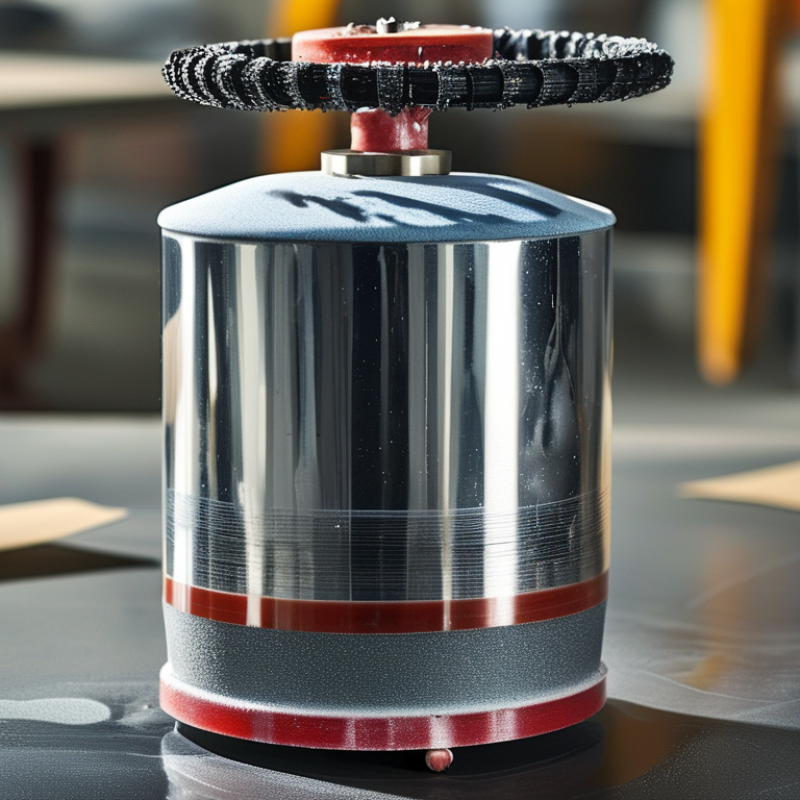
Tumble blasting machines play an essential role in various industries, particularly in surface preparation and cleaning. These machines use a rotating drum to tumble objects along with abrasive media. This method ensures an even coating or cleaning effect. In fact, recent reports indicate that the global market for tumble blasting machines is expected to grow by 5% annually through 2027. The rising demand for surface treatment in the automotive and aerospace sectors is a significant driver of this growth.
Understanding the applications of tumble blasting machines is crucial for optimizing efficiency. They are widely used for removing rust, paint, and scale from metal surfaces. Additionally, tumbler systems can aid in polishing components made from various materials, including plastics and composites. However, not every machine is suited for every task. Factors such as the type of abrasive media and the design of the machine can profoundly affect the results. Users must consider their specific needs carefully.
Machine selection can be overwhelming. Potential buyers should evaluate factors such as the drum size, loading capacity, and automation features. It’s also important to reflect on maintenance availability and operating costs. Some machines may require more frequent repairs, which can impact productivity. Understanding these variables can help make an informed decision and avoid costly mistakes.
Key Factors to Consider When Selecting a Tumble Blasting Machine
When selecting a tumble blasting machine, understanding key factors is vital. One major aspect is the material you plan to blast. According to the Society for Protective Coatings, different materials require different blasting media for optimal results. Steel substrates benefit from steel shot, while softer materials may need plastic media. This implies the choice of media influences machine efficiency and cost.
The size and type of parts processed also play a crucial role. A report by the Surface Engineering Association highlights that larger components require machines with specific capacities to ensure thorough cleaning. Knowing these dimensions helps prevent the error of overloading or misusing equipment. Efficiency often hinges on adequate sizing, which is frequently overlooked.
Operational safety should not be neglected. While data from the Abrasive Blasting Association indicates that proper safety gear can reduce accident rates, many operations still operate without adequate training. Insufficient knowledge about the machine's capabilities poses risks. Reflect on the importance of both machine features and operator expertise. Ultimately, a well-rounded evaluation leads to informed choices, enhancing both productivity and safety in the workplace.
Types of Tumble Blasting Machines Available in the Market
When selecting a tumble blasting machine, understanding the types available is crucial. There are various options, each with unique features. For instance, some machines are designed for small parts, while others handle larger items. The size and type of components you need to clean will guide your choice.
Another popular type is the batch tumble blaster. These machines work well for cleaning multiple parts at once. They offer efficiency and can save time. However, they may not accommodate larger pieces effectively. Conversely, continuous tumble blasting machines are designed for high-volume production. They ensure a steady workflow and are ideal for businesses with consistent demands.
Each type has its strengths and weaknesses. For example, while batch machines are versatile, they may require manual loading and unloading. Continuous machines can be more complex and costly. Reflecting on your specific needs can help make the right choice. Understanding these nuances can lead to better operational efficiency and lower long-term costs.
Top Tips for Choosing the Right Tumble Blasting Machine
| Type |
Main Features |
Applications |
Advantages |
Considerations |
| Rotary Tumble Blaster |
Continuous processing, high efficiency |
Automotive parts, metal components |
Time-saving, uniform cleaning |
Requires space, initial cost |
| Batch Tumble Blaster |
Batch processing, adjustable parameters |
Small to medium-sized parts |
Versatile, easy to operate |
Less efficient for large runs |
| Continuous Flow Blaster |
Constant media flow, lower media usage |
High-volume production |
Cost-effective, reduced waste |
Complex setup, requires maintenance |
| Dry Tumble Blaster |
Uses dry media for blasting |
Delicate items, electronics |
Minimized rust, safer for sensitive parts |
Less abrasive, may be slower |
| Wet Tumble Blaster |
Moist media for enhanced cleaning |
Heavy-duty cleaning, larger parts |
Effective in removing heavy contaminants |
Requires drying processes afterward |
Evaluating Performance and Efficiency of Tumble Blasting Machines
When evaluating the performance and efficiency of tumble blasting machines, several factors come into play. The productivity of these machines can significantly impact the overall cost-effectiveness of operations. It's crucial to assess the throughput of the machine. This refers to how quickly it can process the materials. A higher throughput often indicates a more efficient machine.
Another consideration is the type of abrasives used. Different materials can affect the speed and effectiveness of the blasting process. For instance, some abrasives wear down faster than others, potentially increasing operational costs. Also, machine design influences efficiency. Machines with efficient dust collection systems not only improve visibility but also enhance worker safety. A well-designed machine can lead to reduced cleanup times, directly impacting the bottom line.
However, it’s essential to remember that performance metrics should not be viewed in isolation. Regular maintenance and proper training for operators are crucial for maximizing machine efficiency. Even the most advanced equipment can underperform if not operated correctly. Evaluate the potential trade-offs between machine capabilities and operational costs to make informed decisions.
Maintaining and Optimizing Your Tumble Blasting Machine for Longevity
Maintaining and optimizing a tumble blasting machine is crucial for extending its lifespan. Regular checks on components are essential. Lubricate moving parts to reduce wear and tear. Over time, dust and debris can accumulate. Removing these will enhance performance and prevent malfunctions.
Monitor the blasting media as well. Consistent quality of the material affects efficiency. Using worn or contaminated media can lead to inconsistent results. It may be tempting to cut costs by extending media usage, but this can ultimately hurt productivity.
Sharing best practices with your team can improve operation. Training sessions on machine handling ensure everyone understands its functionalities. Yet, it's important to recognize that mistakes will happen. Embracing a culture of learning from these errors can lead to better outcomes in the long run. Regularly revisiting maintenance protocols ensures they remain effective against evolving challenges.