10 Essential Tips for Using a Wheel Blasting Machine Effectively?
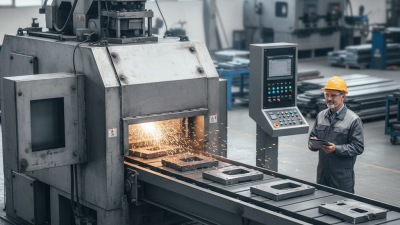
The Wheel Blasting Machine is an essential tool in surface preparation and cleaning. According to industry reports, around 60% of manufacturers now prefer this method to achieve optimal results. These machines utilize high-velocity projectiles to clean or prepare surfaces for coatings. In the automotive and aerospace sectors, effective blasting is crucial for both performance and safety.
However, operating a Wheel Blasting Machine is not without challenges. Proper technique and maintenance can greatly affect outcomes. Incorrect settings can lead to damage, affecting productivity. Operators often underestimate the importance of choosing the right media for specific applications. Real-world examples show that improper use can cause inconsistencies in surface finish.
Industry experts emphasize the need for ongoing training and awareness. Despite advancements, many facilities face hurdles in deploying effective practices. Regularly updating techniques can improve efficiency and minimize waste. By reflecting on these aspects, operators can significantly enhance their Wheel Blasting Machine usage.
Understanding Wheel Blasting Machine Components for Optimal Use
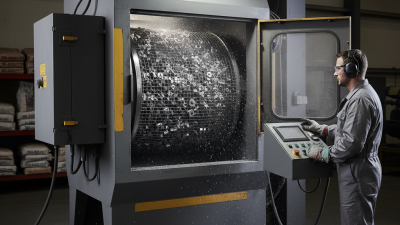
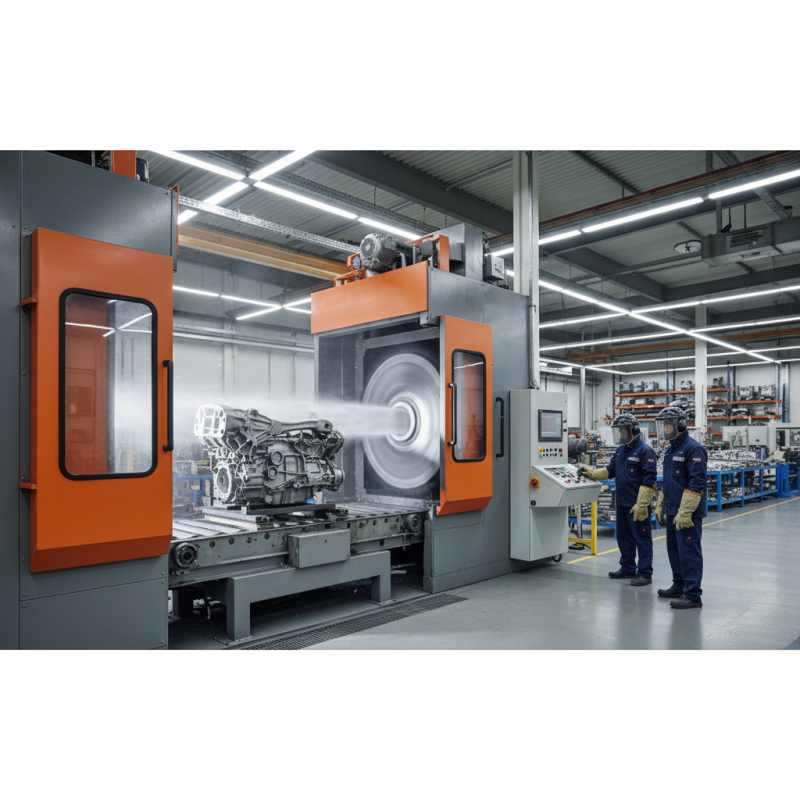
Understanding the components of a wheel blasting machine is crucial for effective operation. The main component is the wheel itself, which propels abrasive media onto the work surface. This wheel should be checked regularly for wear. A worn wheel can result in uneven blasting. It’s easy to overlook, but neglecting this part can affect the whole process.
The blast chamber is another key element. It contains the workpieces and controls the environment. Proper maintenance is essential here. Ensure that there are no blockages or buildup that can hinder performance. Consideration for the size and shape of the parts being treated also plays a role in efficiency. It’s worth analyzing how adaptable your machine is. Are the adjustments easy? If not, it might be time to rethink your setup.
Lastly, pay attention to the control system. This part regulates the speed and pressure of the blast. A lack of attention can lead to too much or too little force applied to the material. This may cause damage or poor results. Constantly re-evaluating these components is not just wise; it’s necessary for optimal outcomes. Adjustments might be frustrating, but they are often the key to achieving the results you desire.
10 Essential Tips for Using a Wheel Blasting Machine Effectively
| Tip |
Component/Aspect |
Description |
| 1. Regular Maintenance |
Overall System |
Scheduled servicing ensures optimal performance and longevity. |
| 2. Proper Media Selection |
Abrasive Material |
Select the right abrasive for the material being blasted for efficiency. |
| 3. Adjust Blast Pressure |
Pressure Settings |
Adjusting pressure according to surface type improves results. |
| 4. Monitor Blast Patterns |
Nozzle Position |
Ensure even coverage by checking and adjusting nozzle distance. |
| 5. Optimize Operating Speed |
Machine Speed |
Control the speed to ensure thorough blasting without damage. |
| 6. Ensure Safety Measures |
Work Environment |
Use protective gear and ensure proper ventilation during operation. |
| 7. Train Operators |
Operator Skills |
Proper training reduces mistakes and enhances outcome quality. |
| 8. Maintain Proper Feed Rate |
Abrasive Feed |
Ensure the feed rate matches the required blasting velocity. |
| 9. Conduct Regular Inspections |
Equipment Checks |
Frequent inspections prevent issues before they occur. |
| 10. Review Process Efficiency |
Performance Metrics |
Evaluate results and process efficiency for continuous improvement. |
Preparing the Workpiece: Surface Cleaning and Coating Considerations
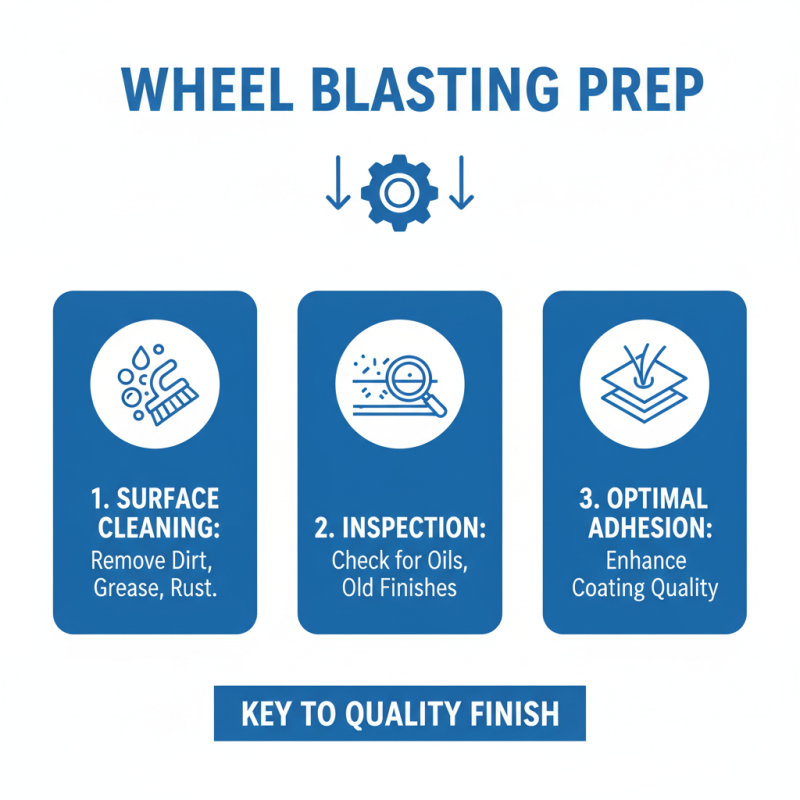
Preparing the workpiece before using a wheel blasting machine is crucial. Surface cleaning is the first step. Dirt, grease, and rust need to be removed effectively. A clean surface allows for better adhesion of subsequent coatings. It is essential to inspect the workpiece for any contamination. This can include leftover oils or previous finishes. Ignoring these details may lead to poor results.
Coating considerations also play a significant role. Different materials require specific coatings for durability. Make sure to choose the right type that matches the workpiece’s requirements. Inconsistent coatings can lead to flaking or peeling later on. Understanding the environment where the workpiece will be used is vital. For instance, items exposed to moisture need a more robust protective layer.
Even with proper preparation, mistakes can occur. Sometimes, the cleaning process might not eliminate all contaminants. It’s a good idea to test a small area first. This helps to identify any issues before proceeding with the entire workpiece. Reflecting on past experiences can guide future projects. Adjusting techniques based on what worked or didn’t is important for improving overall outcomes.
Setting Up the Wheel Blasting Machine for Different Materials
When setting up a wheel blasting machine, it's crucial to adjust parameters based on the material being processed. Different materials require unique settings to achieve optimal results. According to industry reports, using the correct wheel speed and material feed rate can significantly enhance the finishing quality. A common issue arises when operators ignore these adjustments, leading to inefficient blasting and wasted materials.
It's essential to assess the hardness and density of the materials before starting the process. For example, softer materials may need reduced impact strength to avoid damage. Tip: Regularly calibrate the machine based on the material specifics. This not only maintains quality but also extends the machine's lifespan.
Improper setup can lead to uneven surface finishes and increased wear on components. This frustration can amplify when operators overlook maintenance routines. Tip: Implement a consistent maintenance schedule. Regular checks prevent unforeseen breakdowns and ensure consistent performance. Ultimately, the right setup and maintenance practices are vital for effective use of any wheel blasting machine.
Adjusting Speed and Abrasive Type for Effective Blasting Results
When using a wheel blasting machine, adjusting speed and abrasive type is crucial for effective results. The speed of the blasting wheel significantly influences the impact and coverage of the abrasive material. A higher speed can enhance the cleaning efficiency but may lead to surface damage. Experimenting with different speeds can help find the sweet spot for specific materials.
Choosing the right abrasive type is equally important.
Steel shots are tougher and suitable for heavy cleaning. However, using them on delicate surfaces risks unwanted scratches.
Lighter abrasives, like glass beads, are gentler but might require longer blasting time. A balance needs to be struck between surface protection and cleaning effectiveness.
It’s easy to overlook these adjustments in a hurried production environment. Rushing through set-up can lead to inconsistencies. A careful evaluation of both
speed and abrasive type may initially seem time-consuming but pays off in the long run. Reflecting on past blasting practices can reveal lessons learned and improve future results.
Implementing Safety Measures and Maintenance Practices for Longevity
When operating a wheel blasting machine, safety should always come first. Use personal protective equipment, such as goggles and gloves, to shield against flying debris. Regularly inspect equipment for worn parts. An unexpected malfunction can lead to injuries. Train all operators thoroughly. They should understand both the machine and the risks involved. However, training can sometimes overlook specific situational hazards present in the workspace.
Maintenance practices are crucial for the longevity of the machine. Keep the blasting area clean to avoid clogging. Regularly check the blast wheels and ensure they are balanced. Over time, wear can lead to uneven performance. Document maintenance activities to track issues over time. It is easy to forget small details, but they matter. Scheduling routine checks helps identify problems early. Don’t wait until there is a malfunction. Consider setting reminders for maintenance tasks, as even small lapses can lead to significant downtime.
10 Essential Tips for Using a Wheel Blasting Machine Effectively
This chart illustrates the importance rating of ten essential tips for effectively using a wheel blasting machine. The data indicates that employing proper safety gear and regular maintenance are paramount for ensuring safety and longevity in machine use.