Ultimate Guide to Pipe Blasting Machine Tips for Efficiency?
In the world of industrial cleaning, the **Pipe Blasting Machine** stands out as a vital tool. Effective cleaning is crucial for maintaining operational efficiency. Yet, many users overlook some key aspects that can enhance their experience. This guide aims to illuminate those overlooked details.
When utilizing a Pipe Blasting Machine, it's essential to know what you're dealing with. Different materials and surface types require specific techniques. Understanding this can save time and resources. Many operators make mistakes out of haste. They may not adjust their machines effectively, leading to suboptimal results.
Efficiency doesn’t just come from speed; it also relies on technique and awareness. Regular maintenance of the Pipe Blasting Machine can prevent costly repairs later on. Not everyone follows this routine. Those who do often see better performance. The journey toward efficiency starts with knowledge and reflection.
Understanding the Basics of Pipe Blasting Machines
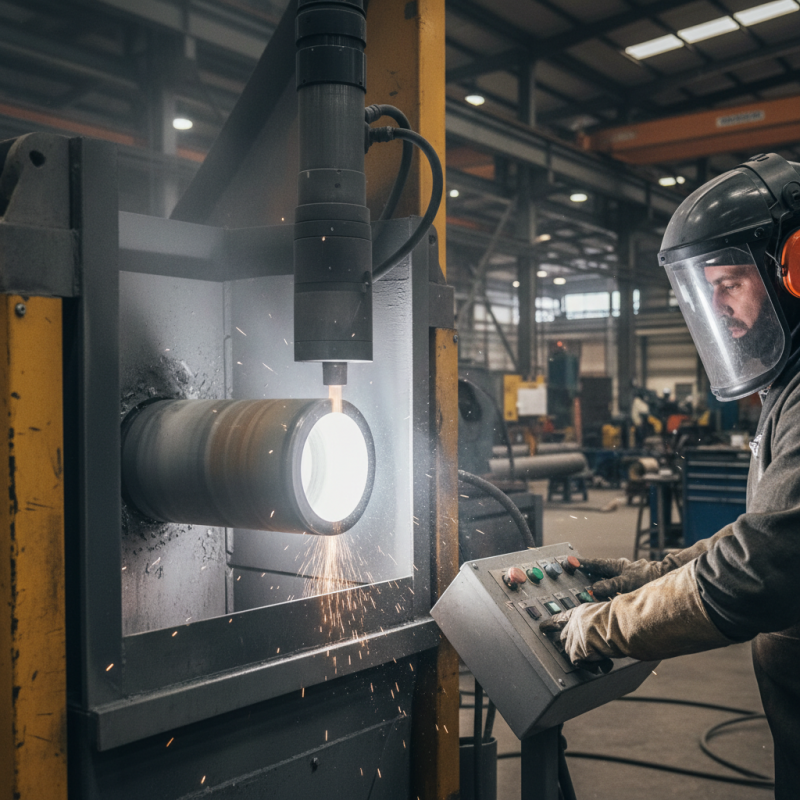
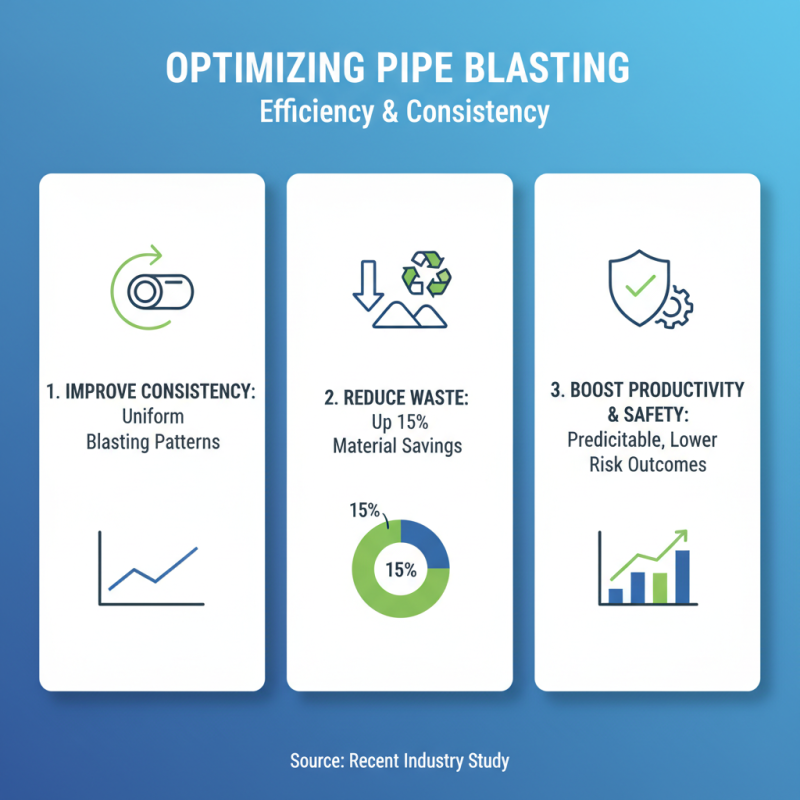
Pipe blasting machines are essential in various industries. They effectively clean and prepare surfaces for repairs or coatings. Understanding their basic functions can greatly impact efficiency. According to a recent industry report, improper use of these machines can result in a 30% decrease in productivity. Operators need to understand how to manage pressure and media flow for optimal results.
The mechanics of a pipe blasting machine are straightforward. They utilize abrasive materials propelled at high speeds to remove contaminants. However, the type of media chosen plays a crucial role in the process. For instance, steel grit offers aggressive cleaning but can lead to more wear on the machinery. Conversely, softer media might take longer to achieve the desired results. It's a balancing act that requires careful thought.
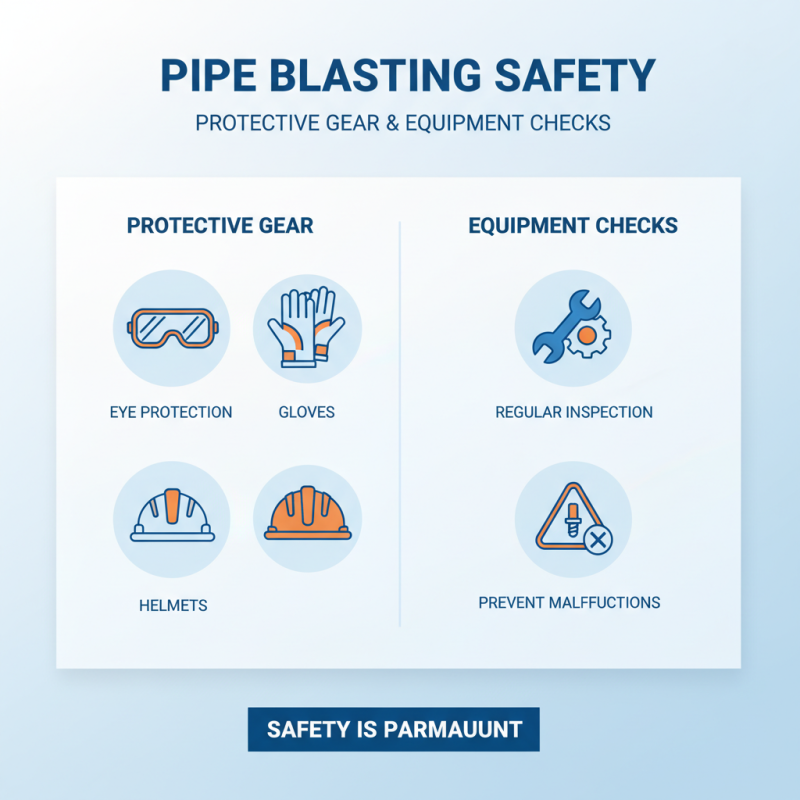
Safety also cannot be overlooked. A survey indicated that 45% of operators ignore safety protocols, leading to potential injuries. In the quest for efficiency, overlooking basic operational guidelines can have dire consequences. Regular inspections and operator training are necessary. Continuous improvement, while often neglected, is vital for maximizing the capabilities of pipe blasting machines.
Key Components of Efficient Pipe Blasting Systems
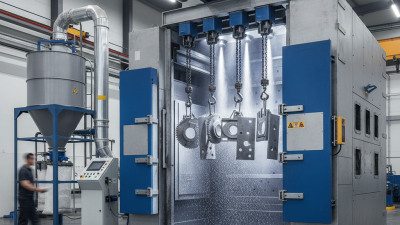
Key components of efficient pipe blasting systems play a vital role in optimizing performance. A well-designed blasting machine enhances cleaning efficiency.
The right nozzle can significantly affect the flow of abrasive materials. Studies show that nozzle size and shape influence media velocity.
A mismatch can lead to uneven blasting results.
Another critical aspect is the media type. Metallic abrasives offer durability, but they can be costly. In contrast, non-metallic options may be more economical.
However, their performance may vary based on pipe material and surface conditions. Recent reports indicate that the choice of abrasive can impact cleaning time by up to 30%.
Selecting the correct media ensures a balance between effectiveness and cost.
System maintenance is often overlooked but crucial. Regular inspection of blasting chambers prevents wear and tear.
Accumulated debris in the system can hinder efficiency. Efficiency relies on proper airflow; blockages reduce air pressure and, ultimately, productivity.
Companies often fail to invest in routine checks, leading to increased downtime. Refining these components could lead to substantial improvements in overall blasting operations.
Troubleshooting Common Issues in Pipe Blasting Machines
Troubleshooting issues in pipe blasting machines often requires a keen eye and a systematic approach. A common problem may involve inconsistent blasting performance. This can stem from a variety of factors, including improper media selection or incorrect machine settings. Check the pressure settings carefully. If the pressure is too low, the blasting quality will suffer.
Another frequent issue is clogging in the nozzle. This can cause uneven surface finishing. To address this, regularly inspect the nozzle for wear and tear. Clear any debris that might obstruct the flow. Daily maintenance is essential, but sometimes overlooked. Neglecting minor issues can snowball into significant problems.
Here are some tips for efficiency: Always maintain an organized workspace. Having tools at hand reduces downtime. Regularly clean the machine to avoid performance drops. Lastly, make sure to train all operators on optimal practices. A well-informed team can make a substantial difference in productivity.
Ultimate Guide to Pipe Blasting Machine Efficiency
This chart illustrates the common efficiency metrics and troubleshooting issues related to pipe blasting machines. The data reflects typical performance metrics observed in the industry.