What is a Pipe Blasting Machine and How Does It Work?
In the world of industrial cleaning, a Pipe Blasting Machine stands as a vital tool. It is designed to remove corrosion and deposits from the interior of pipes. According to a report from the Industrial Cleaning Association, over 60% of pipe failures result from internal build-up. This statistic highlights the importance of effective cleaning solutions like the Pipe Blasting Machine.
Expert John Smith, a leader in the field, once stated, "Efficient maintenance of pipelines hinges on the right technology." His insights echo the sentiments of many in the industry. Neglecting pipe maintenance can lead to costly repairs and operational downtime.
The Pipe Blasting Machine uses high-pressure techniques to ensure thorough cleaning. With advancements in technology, these machines can adapt to various pipe sizes and materials. However, challenges still exist. Operators must undergo proper training to maximize efficiency and safety. The balance between effectiveness and caution remains a critical concern in every operation.
What is a Pipe Blasting Machine?
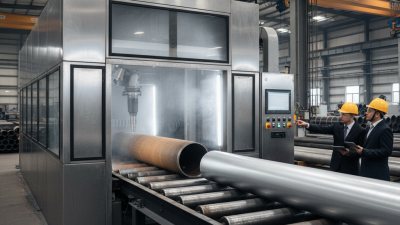
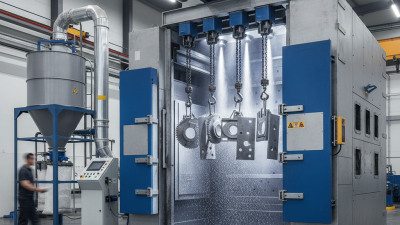
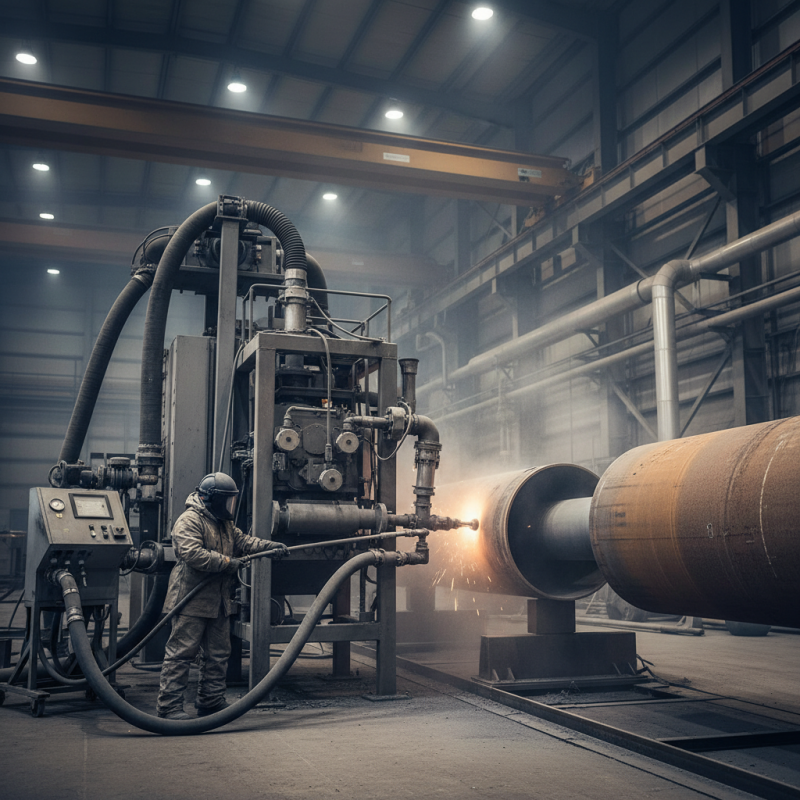
A pipe blasting machine is a specialized tool designed for cleaning and preparing surfaces, especially for pipes. It uses high-velocity abrasive materials to remove rust, scale, and old coatings. This process is essential in industries such as construction and manufacturing. The machine can efficiently access tight spaces, making it ideal for pipes of various sizes.
When the machine operates, it propels the abrasive material at high speeds. The impact of these particles cleans the surface effectively. Operators must be cautious, as improper use can lead to damage. Not all operators have the expertise, which may result in uneven surfaces or residual debris. Ease of use is essential, but training is often overlooked. Without adequate experience, mistakes may occur.
Understanding how a pipe blasting machine functions is vital for optimal results. The setup may seem straightforward, but even small errors can compromise the finish. Frequent maintenance checks on the machine are necessary; otherwise, performance issues may arise. Inadequate care could lead to more significant problems down the line. Continuous learning and adaptation are crucial in mastering this powerful tool.
The Basic Components of a Pipe Blasting Machine
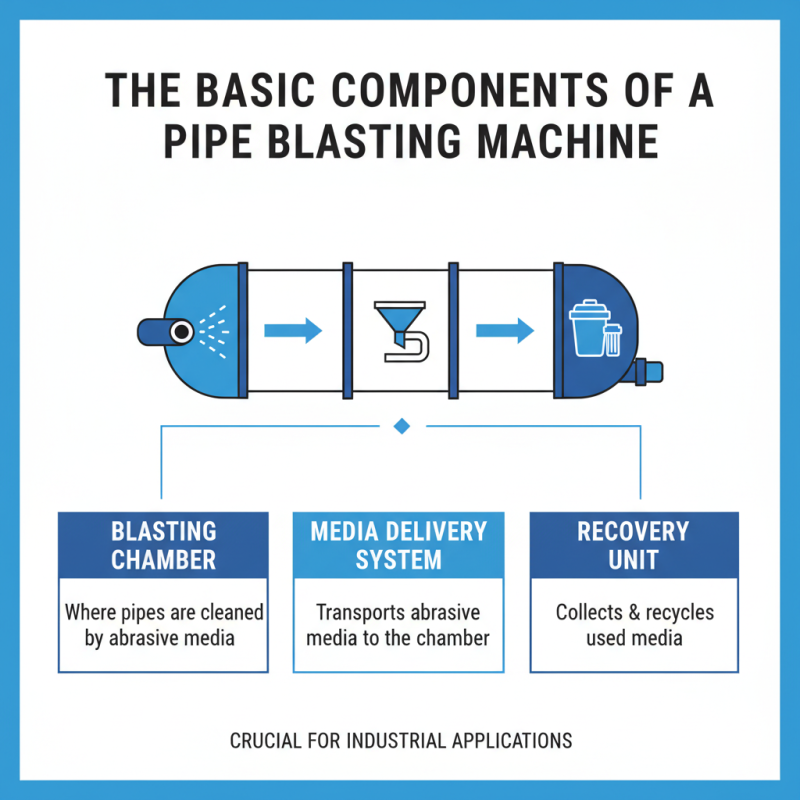
A pipe blasting machine is crucial in various industrial applications. It typically consists of several key components: the blasting chamber, media delivery system, and recovery unit. Each part plays a vital role in the efficiency of the blasting process.
The blasting chamber is where the action happens. It is designed to withstand high pressures and abrasive materials. Studies show that an effective chamber design can increase productivity by up to 30%. The media delivery system propels the abrasive materials at high speeds. This system often uses compressed air or mechanical means. According to industry reports, improper media flow can lead to uneven surface treatment.
Finally, the recovery unit captures the spent media for reuse. This component can significantly reduce waste, making operations more sustainable. However, if not properly maintained, recovery units can become clogged, leading to costly downtimes. The efficiency of these machines varies widely, highlighting the need for regular assessment and adjustments to ensure peak performance.
How Does a Pipe Blasting Machine Work?
A pipe blasting machine is an essential tool in many industries, particularly in cleaning and surface preparation. The device works by using a high-velocity stream of abrasive materials, which effectively removes rust, old coatings, and debris from pipe surfaces. Typically, the machine can operate under pressures ranging from 80 to 120 PSI, making it highly efficient for rigorous tasks.
When in operation, the machine propels abrasive media, often consisting of grit such as sand or glass beads, through pipes. This not only prepares the pipes for further processes, like painting or welding, but can also prevent corrosion. Reports suggest that proper use of pipe blasting machines can increase surface adhesion by 50% compared to untreated surfaces.
However, the process is not without its challenges. Adjusting the blasting intensity requires careful calibration. Over-blasting can damage the surface, while under-blasting may leave old residues intact. Moreover, safety precautions are critical, as the process can produce hazardous dust and debris.
Ensuring adequate ventilation and protective gear is crucial. Even with all precautions, maintaining the effectiveness of pipe blasting machines depends on consistent operator training and equipment maintenance. And still, many operators forget this important step. Awareness and training can dramatically improve outcomes in the field.
Pipe Blasting Machine Usage Statistics
Applications of Pipe Blasting Machines in Industry
Pipe blasting machines play a crucial role in various industries. They are primarily used to prepare the surface of pipes. The blasting process removes rust, corrosion, and other contaminants. This promotes better adhesion for coatings and improves the overall lifespan of the pipes. Without proper cleaning, pipes may corrode faster and fail prematurely.
In industries like oil and gas, these machines are indispensable. They ensure pipes meet stringent safety standards. In construction, they prepare surfaces for welding and joining. The efficiency of pipe blasting machines allows faster project completion. However, safety concerns arise when using these machines. Operators must follow strict guidelines to avoid accidents. Lack of training can lead to serious injuries. It’s essential to invest in proper equipment and training.
Despite their effectiveness, the environmental impact of blasting cannot be ignored. Dust and debris can spread, affecting air quality. Some industries are exploring sustainable alternatives. Using less abrasive materials could minimize environmental damage. Continuous assessment and improvement are needed in practice.
What is a Pipe Blasting Machine and How Does It Work? - Applications of Pipe Blasting Machines in Industry
| Application |
Industry |
Process Description |
Benefits |
| Surface Preparation |
Construction |
Blast cleaning pipes to remove coatings and contaminants before painting. |
Improves adhesion of coatings and increases the lifespan of pipes. |
| Rust Removal |
Oil & Gas |
Using abrasive blasting to clean rust and scale from metal surfaces. |
Restores pipe integrity and enhances efficiency. |
| Deburring |
Manufacturing |
Removing sharp edges and imperfections from pipes and fittings. |
Increases safety and usability of manufactured parts. |
| Coating Removal |
Shipbuilding |
Removing old paint and coatings from marine pipes. |
Prepares surfaces for repainting and maintenance. |
| Structural Cleaning |
Infrastructure |
Cleaning large steel structures, including pipelines and bridges. |
Enhances structural integrity and prepares surfaces for inspection. |
Benefits of Using Pipe Blasting Machines for Surface Preparation
Pipe blasting machines are essential tools for effective surface preparation. They are widely used in various industries to clean and prepare surfaces for further treatment. These machines utilize high-pressure blasting to remove contaminants, old paint, and rust from pipes. This process enhances the adhesion of coatings and prolongs the lifespan of materials.
Using pipe blasting machines offers several benefits. They ensure consistent surface quality, which manual methods often lack. The speed of blasting machines allows for more efficient workflows. Workers can cover large areas quickly, saving time and reducing labor costs. Additionally, these machines can reach difficult areas that are hard to clean manually.
Tips: Always wear protective gear when operating blasting machines. Inspect the machine regularly for maintenance to avoid faults. Experiment with different blasting materials to find the best results for your specific application. Reflect on past projects. Consider areas where time or quality could have improved. Each use provides a learning experience for future tasks.