Top Sand Blasting Machine Buyers Guide for Global Procurement?
As the demand for precision in surface preparation increases, the market for Sand Blasting Machines is evolving rapidly. According to a recent report by Market Research Future, the sandblasting equipment industry is projected to grow significantly, reaching a value of $5 billion by 2025. This highlights the importance of selecting the right sand blasting machine for various applications, from automotive to aerospace.
Industry expert Dr. John Millers, a leading figure in surface treatment technologies, emphasizes, “The right machine is crucial for optimizing efficiency and achieving desired results.” Given the diverse market options, buyers must navigate features, pricing, and post-purchase support. Understanding the specific needs of your projects will guide informed decisions.
However, challenges exist in distinguishing between various models. With varying specifications, it can be overwhelming. Potential buyers often overlook important details, which may lead to dissatisfaction post-purchase. Thus, entering the procurement process with adequate knowledge is essential. Selecting a sand blasting machine that aligns well with your operational needs can ultimately drive your success.
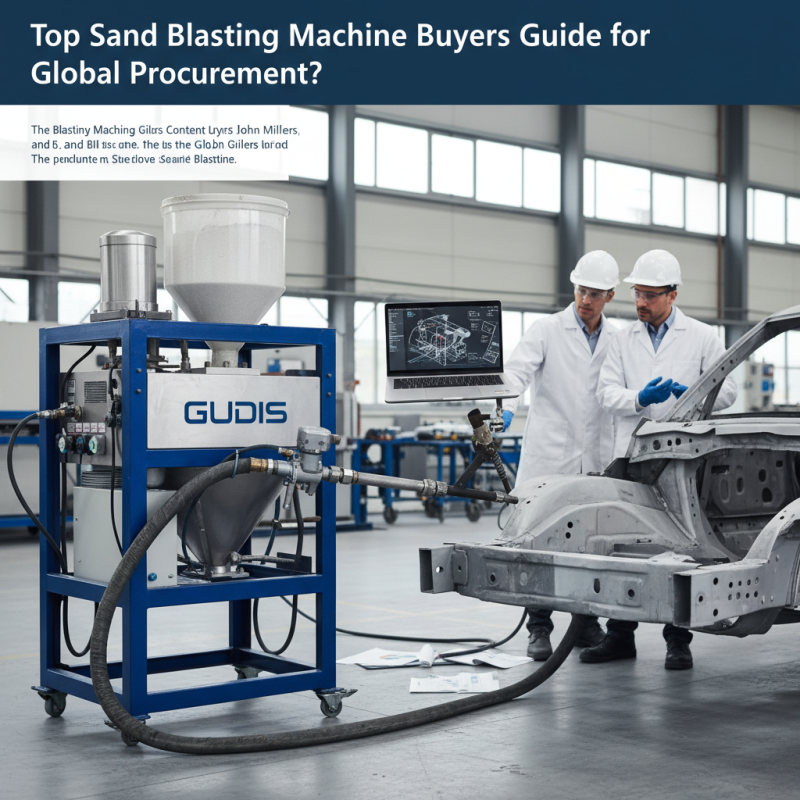
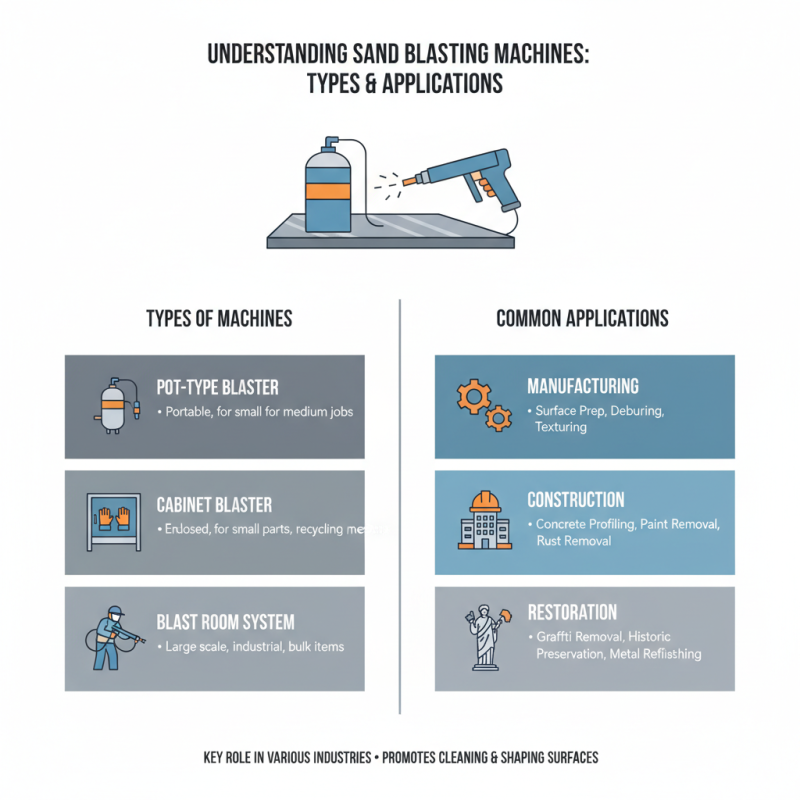
Understanding Sand Blasting Machines: Types and Applications
Sand blasting machines play a crucial role in various industries. They work by propelling abrasive materials at high speeds to clean or shape surfaces. This process is common in manufacturing, construction, and restoration projects. Understanding the different types is essential for buyers.
There are mainly two types of sand blasting machines: pressure and suction types. Pressure sand blasting machines use high pressure to propel abrasives, making them efficient for heavy-duty tasks. Suction machines, on the other hand, draw abrasives from a hopper and are often used for lighter jobs. Each type has its own applications and limitations, making it important for buyers to assess their needs carefully.
Applications of sand blasting are diverse. They include cleaning rust from steel, preparing surfaces for painting, and etching glass. However, improper usage can lead to surface damage and increased costs. It's vital to consider the material being treated and the desired finish. Buyers must gather information and consult experts when needed, ensuring informed decisions are made for their projects.
Key Factors in Selecting Sand Blasting Machines: A Buyer’s Perspective
When selecting sand blasting machines, understanding key factors is essential. Buyers must consider the machine's efficiency and the type of materials it can handle. According to a recent industry report, over 40% of procurement decisions hinge on these metrics. Additionally, the machine's versatility plays a vital role. Machines that can switch between different abrasive materials offer more value.
Another critical aspect is safety features. A study indicates that 30% of workplace accidents are linked to equipment failures in blasting processes. Buyers should prioritize models with built-in safety systems. Furthermore, regular maintenance schedules can significantly extend a machine's lifespan. However, many buyers overlook the long-term costs associated with upkeep.
Cost is also a significant factor. While lower initial prices are attractive, they may not reflect the true long-term value. Data shows that machines priced too low often lack durability, leading to higher replacement costs. Buyers should weigh initial investments against potential operational expenses over time. Balancing upfront costs with quality is not easy, but it is vital for making informed decisions.
Top Sand Blasting Machine Buyers Guide for Global Procurement
| Key Factors |
Importance Level |
Typical Range (USD) |
Maintenance Requirements |
| Machine Efficiency |
High |
$5,000 - $25,000 |
Regular cleaning and part replacements |
| Durability |
Medium |
$7,000 - $30,000 |
Annual inspection recommended |
| Cost of Spare Parts |
High |
$200 - $1,500 |
Variable based on machine type |
| Energy Consumption |
Medium |
$100 - $500/month |
Monitor regularly for efficiency |
| Safety Features |
Very High |
Included in purchase price |
Regular safety checks required |
Market Analysis: Leading Manufacturers and Trends in Sand Blasting Industry
The sand blasting industry has seen significant growth in recent years. Understanding the market dynamics is vital for buyers. Leading manufacturers focus on innovation and sustainability. They aim to enhance efficiency while reducing environmental impact. This trend shifts buyer preferences towards eco-friendly options.
Tips for buyers: Always assess your specific needs before entering the market. Consider the size and type of sand blasting machine that fits your project requirements. Research manufacturers’ reputations in product durability and customer service. Reliable vendors provide warranties and comprehensive support.
Staying updated with trends is essential. Industry reports highlight the rise of automation and advanced technology in sand blasting machines. This can lead to higher efficiency and reduced operational costs. However, not all innovations are foolproof. It's necessary to evaluate how new features align with your operational setup.
Top Sand Blasting Machine Buyers Guide: Market Analysis
Cost Considerations: Budgeting for Sand Blasting Equipment Procurement
When budgeting for sand blasting equipment, it's essential to consider various factors. The initial purchase price can vary significantly. You'll encounter options ranging from compact machines to large industrial units. A small machine might cost a few hundred dollars, while larger units can exceed tens of thousands.
Operating costs are another critical area. You need to account for abrasive materials, maintenance, and energy consumption. Regular maintenance may seem like an additional cost, but it prolongs equipment life and enhances efficiency. Neglecting this can lead to bigger expenses down the road.
Tips: Always consult with professionals. Their insights can help you avoid costly mistakes. Consider future needs as well. Investing in more capacity now may save you money later. Also, do thorough research on typical costs in your industry and region. This will aid in making informed decisions.
Safety Standards and Regulations: Ensuring Compliance in Sand Blasting Operations
In sand blasting operations, adherence to safety standards is crucial. The OSHA (Occupational Safety and Health Administration) emphasizes the importance of proper equipment and protective gear. Reports indicate that nearly 60% of workplace injuries are related to inadequate safety practices in abrasive blasting.
Compliance with safety regulations not only protects workers but also enhances productivity. An industry study revealed that companies following strict safety protocols tend to experience 30% fewer downtime incidents. This leads to improved operational efficiency and boosts workforce morale. Yet, many firms struggle with the implementation of comprehensive safety training. Consistent training sessions are vital to instilling awareness among employees about the hazards of sand blasting.
Additionally, air quality control is an often-overlooked aspect. High levels of silica exposure can result in serious health issues. According to the CDC (Centers for Disease Control and Prevention), more than 2 million workers are exposed to silica dust every year. It is crucial for employers to monitor air quality and invest in effective ventilation systems. Regular assessments and adjustments are essential, ensuring compliance with safety regulations. While the steps are clear, the execution often falls short. A commitment to ongoing safety evaluations can significantly impact overall effectiveness.