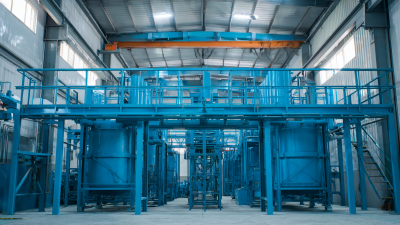
What is Shot Peening Equipment and How Does It Work?
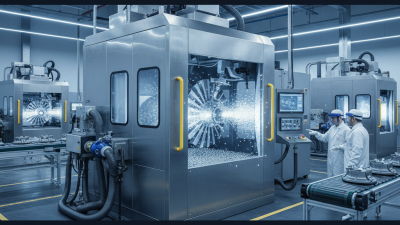
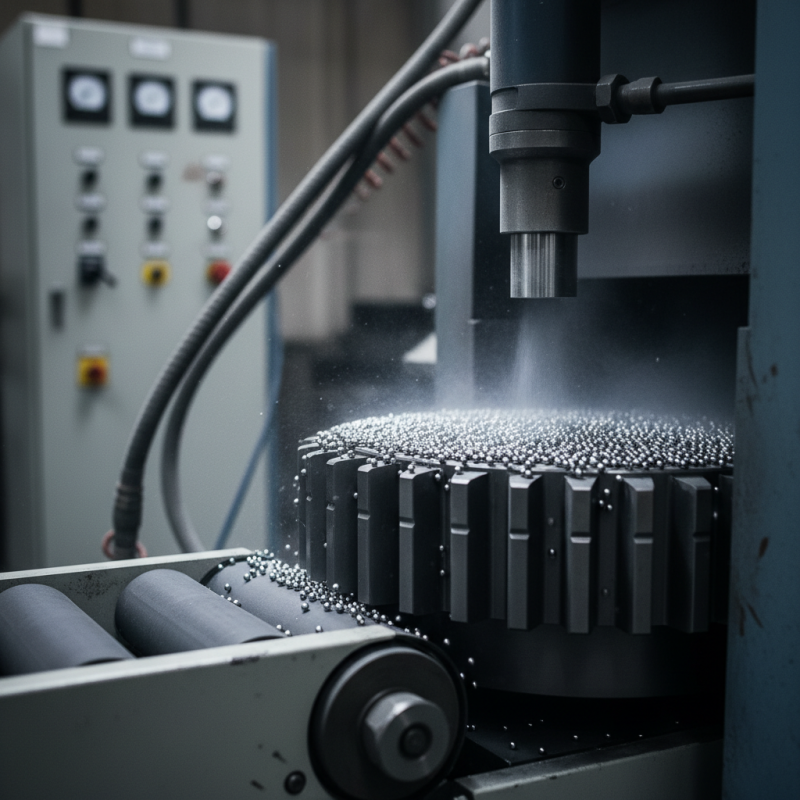
Shot Peening Equipment plays a crucial role in enhancing the durability of metal components. This technology involves bombarding the surface of materials with small steel balls, or shots. The process creates compressive stress on the surface, which helps resist fatigue and crack formation.
When assessing Shot Peening Equipment, one must consider the equipment's type and effectiveness. Different machines offer various functionalities. Factors like shot size, intensity, and coverage significantly impact performance. However, choosing the right equipment can be challenging. Misjudgments in selection may lead to less-than-optimal results.
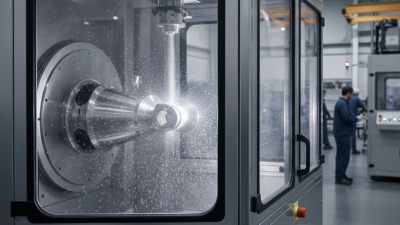
Understanding how Shot Peening Equipment operates is essential. The intensity and technique of shot application are vital for success. Each component's specific requirements influence the peening process. Neglecting these details can lead to further issues. Therefore, investing time in understanding this technology is necessary for achieving the best outcomes.
What is Shot Peening and Its Importance in Material Strengthening
Shot peening is a process that improves the strength and durability of materials. It involves bombarding a surface with small, hard spheres. This creates compressive stresses on the surface, helping to prevent fatigue failures. According to industry reports, shot peening can enhance the lifespan of crucial components by up to 400%. This improvement is vital in sectors like aerospace and automotive, where safety and performance are non-negotiable.
The impact of shot peening can sometimes be overlooked. While it significantly strengthens metals, it might also introduce surface imperfections. These imperfections can be detrimental if not carefully managed. A study indicated that improper shot peening could lead to micro-cracks, counteracting its benefits. An optimal balance between strength and surface quality is essential.
Adopting shot peening is not without challenges. It requires precise control of parameters, such as shot size and intensity. Inconsistent application can lead to variable results. The intricacies of this process demand a thorough understanding. Failing to acknowledge these complexities may result in subpar outcomes. The importance of shot peening in material strengthening is clear, but executing it effectively remains a challenge.
Impact of Shot Peening on Material Strength
Types of Shot Peening Equipment Used in Industrial Applications
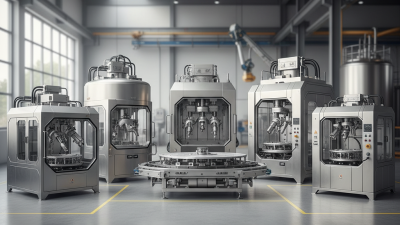
Shot peening equipment plays a critical role in enhancing the durability of metal components. Various types of equipment are widely used in industrial applications. One popular type is the rotary drum peener. This method utilizes a rotating drum to propel the shot against the workpiece. It effectively covers larger surfaces, making it suitable for mass production. According to industry reports, this equipment can increase component life by 10-20% on average.
Another common type is the air pressure peener. This device uses compressed air to accelerate the shot particles. It provides excellent control over the intensity of peening. Studies have shown that using air pressure systems can achieve surface compressive stress 30% greater than conventional methods. However, some users report challenges with maintaining consistent shot velocity. This inconsistency can lead to uneven surface treatment, which requires careful monitoring.
Lastly, wheel blast machines are also prevalent. They utilize rotating wheels to launch the shot. These machines are efficient for large-scale operations. Nevertheless, the initial setup cost can be a deterrent for smaller firms. Some companies find it difficult to balance investment and output. Each type of equipment has its pros and cons, making it essential to choose wisely based on specific production needs.
The Mechanism of Shot Peening: How Shot Impacts Material Surfaces
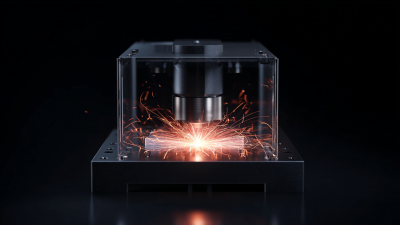
Shot peening is a vital process used to enhance the durability of materials. It involves bombarding a surface with small metallic or ceramic balls. This impact creates compressive stress in the surface layer, improving resistance to fatigue and stress corrosion. The mechanism is fascinating yet complex.
When the shot strikes the surface, it deforms the material slightly. This dynamic action causes dislocations within the microstructure. Sometimes the impact is inconsistent, leading to varying depths of residual stress. Such variations can be both beneficial and detrimental. Depending on parameters like shot size and surface speed, the effect may differ across the surface.
The outcome of shot peening can be unpredictable. Some surfaces might require additional refinement due to uneven coverage. Operators must experiment with factors like shot flow and pressure. Analyzing the results is crucial for optimizing the process. It is essential to assess both the successes and failures to improve techniques further.
Process Parameters Influencing Effectiveness of Shot Peening
Shot peening is a process that enhances the mechanical properties of materials. It involves bombarding the surface of a component with small spherical media. This generates compressive residual stresses, which improve fatigue strength. The effectiveness of shot peening relies on several critical parameters.
One key process parameter is the size of the shot. Smaller shots create greater surface area coverage but may not induce sufficient stresses. Conversely, larger shots yield deeper impressions but can risk material deformation. The intensity of the peening, which depends on the kinetic energy of the shots, is also vital. Too much intensity can lead to surface damage, while inadequate intensity may not achieve the desired results.
The coverage of the surface plays an important role as well. Complete coverage ensures that all areas are treated uniformly, which is essential for consistency. Machinery settings, such as shot velocity and distance, influence the process's outcome significantly. The environment can impact the peening effectiveness too. For instance, damp conditions may affect shot performance and require adjustments. Understanding these parameters is crucial for achieving optimal results while avoiding potential pitfalls.
Industry Standards and Quality Control in Shot Peening Operations
In shot peening operations, adhering to industry standards is crucial. The Society of Automotive Engineers (SAE) has published guidelines for shot peening processes to ensure quality. According to SAE J442, specific parameters like shot size, intensity, and coverage must be controlled meticulously. These factors influence the fatigue resistance of materials significantly. For example, improper shot size can lead to insufficient surface compressive stress, affecting durability and performance.
Quality control in shot peening is a multi-faceted approach. Regular audits and process checks ensure compliance with established standards. A report by the American Society for Testing and Materials (ASTM) indicates that about 30% of companies fail to meet basic requirements in surface integrity assessments. This highlights the importance of consistent evaluation in maintaining operational quality. Tools like X-ray diffraction can analyze residual stress levels effectively. Yet, many facilities still rely on outdated methods, risking long-term structural integrity.
Despite advancements, challenges persist. Variability in environmental factors, such as humidity and temperature, often goes unchecked. This can compromise the uniformity of shot application. It's essential for organizations to reflect on their processes and adapt to emerging technologies. Improving quality control can lead to better outcomes and reduced waste in shot peening operations. Effective monitoring not only safeguards product performance but also enhances overall efficiency.