What is a Steel Pipe Blasting Machine and How Does It Work?
In the realm of industrial cleaning, the Steel Pipe Blasting Machine plays a crucial role. According to expert John Smith, “Precision in blasting is key to maintaining pipe integrity.” This statement emphasizes the importance of innovative techniques in pipe maintenance.
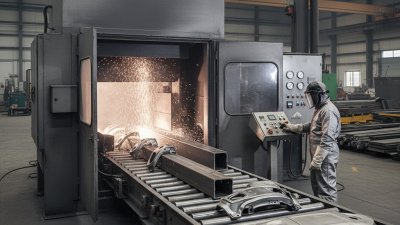
The Steel Pipe Blasting Machine uses high-pressure media to remove contaminants from the surface of steel pipes. This process not only enhances appearance but also prolongs the pipe's lifespan. However, achieving the right balance in blasting pressure can be challenging. Over-blasting might damage the surface. Moreover, inconsistencies in the operation could lead to uneven cleaning.
Industries rely heavily on this equipment for effective surface preparation. While the benefits are clear, there are areas needing improvement. Awareness of best practices is necessary for operators. Continuous training can help in avoiding costly mistakes. Ultimately, the Steel Pipe Blasting Machine is a vital tool that demands attention to detail and commitment to quality.
What is a Steel Pipe Blasting Machine?
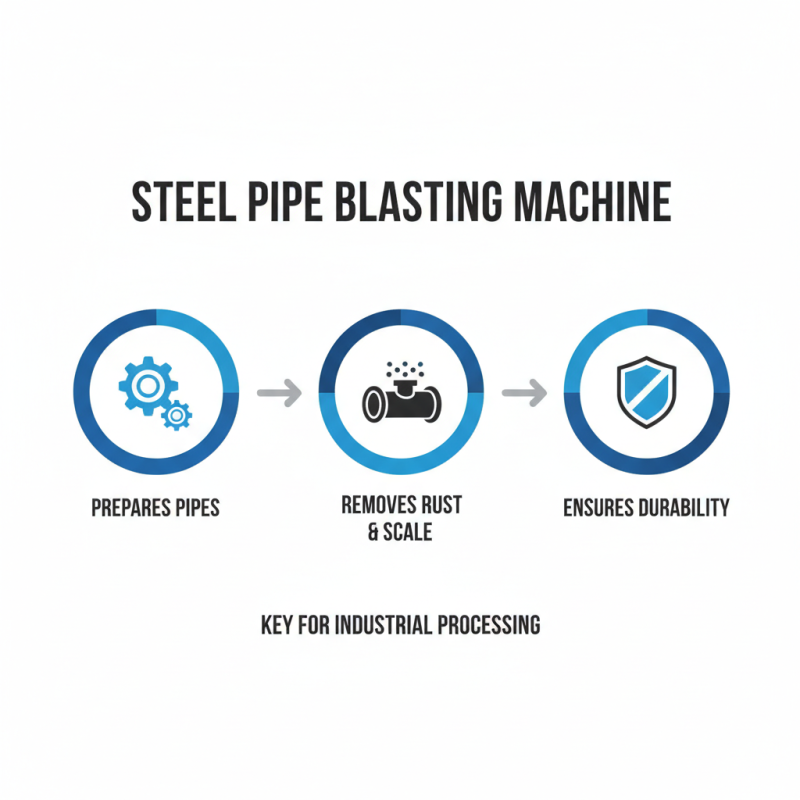
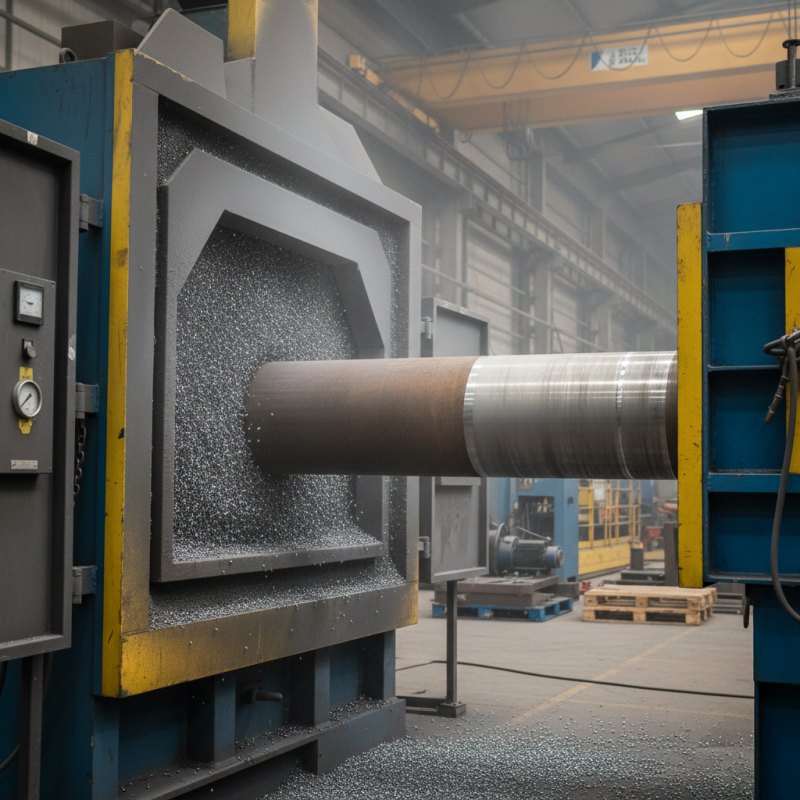
A steel pipe blasting machine is a specialized equipment designed for surface preparation of metal pipes. Its primary purpose is to clean and prepare steel surfaces for further processing, such as coating or welding. The machine uses abrasive materials propelled at high velocity to remove rust, contaminants, and old coatings. This blasting process ensures surfaces are clean and ready for treatment.
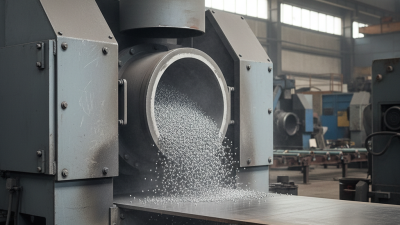
These machines vary in design and size, offering different blasting methods. Some employ steel shot, while others may use garnet or soda as abrasives. The efficiency of the blasting process can significantly impact the quality of the final product. However, improper setup can lead to uneven cleaning or surface damage. Operators must pay close attention to the pressure settings and the type of abrasive used.
Maintenance is crucial. Regular checks prevent rust buildup within the machine. Operators may overlook minor issues, leading to bigger problems later. Dust control is another challenge. It can escape into the environment if not properly managed. Finding the right balance between efficiency and safety is essential for optimal results. Understanding these intricacies can make a difference in a project’s success.
The Components of a Steel Pipe Blasting Machine
A steel pipe blasting machine is an essential tool in various industries. Its primary function is to clean or prepare steel pipes for further processing. The machine uses abrasive materials to remove rust, scale, and other contaminants. This keeps the pipes in excellent condition for future use.
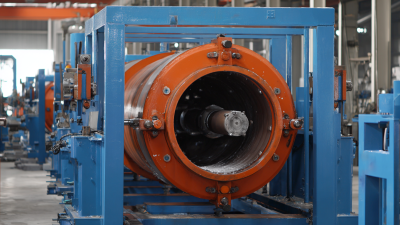
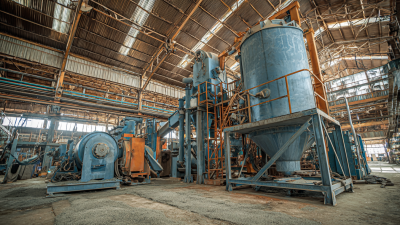
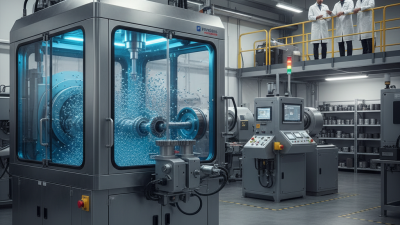
The main components of a steel pipe blasting machine include the blast chamber, the abrasive system, and the dust collection unit. The blast chamber is where the actual cleaning occurs. Inside, high-velocity streams of abrasives hit the pipe surfaces. This can be noisy and messy. Proper maintenance of the chamber is crucial. Ensure that it is regularly checked for wear and tear.
The abrasive system feeds the blasting materials into the chamber. It must be calibrated accurately to avoid waste. A poorly adjusted system can lead to ineffective blasting or excessive wear on the machine. The dust collection unit captures harmful dust generated during the process. It helps maintain a clean working environment.
Tips: Always wear safety gear when operating the machine. Check the dust collection regularly. A clean system enhances efficiency.
How Does a Steel Pipe Blasting Machine Operate?
A steel pipe blasting machine uses a unique process to clean pipes efficiently. This machine is designed to remove rust, scale, and other contaminants. It operates by using abrasive materials propelled at high speeds. These materials strike the pipe surface, ensuring thorough cleaning.
During operation, the machine’s nozzle directs the abrasive flow. It's crucial to maintain the right distance between the nozzle and the pipe. If it's too close, damage can occur. If it's too far, cleaning may not be effective. The operator must adjust carefully. Regular checks and maintenance are necessary for optimal performance.
**Tips:** Always wear proper safety gear when operating the machine. Safety should be a priority. Remember that overuse of certain abrasives can lead to faster wear on components. Monitor the blasting media frequently to avoid waste and ensure efficiency.
Steel Pipe Blasting Machine Operation Efficiency
This chart displays the operation efficiency of different steel pipe blasting machines. Each machine's performance is evaluated based on its operational efficiency percentage, showcasing the effectiveness of various technologies in the market.
Common Applications of Steel Pipe Blasting Machines
Steel pipe blasting machines play a vital role in various industries. These machines use abrasive materials to clean and prepare steel pipes for further processing. They eliminate rust, scale, and other contaminants effectively. This prepares pipes for coatings, welding, or inspection. In construction, these machines ensure pipes are ready for installation. The thorough cleaning prevents corrosion in future applications.
Another common use is in manufacturing industries. Here, blasting machines enhance the surface finish of pipes. This improves the quality of products made from steel pipes. Oil and gas sectors also rely on these machines. They prepare pipes for extreme environmental conditions. However, improper use can cause surface damage. It’s essential to control blasting pressure and material types. Regular maintenance of blasting machines is crucial to ensure performance and safety.
Steel pipe blasting is also important in maintenance tasks. It helps in refurbishing old pipes. Yet, some areas may require special attention. Choosing the right type of abrasive can be a challenge. Operating parameters need careful adjustments. Mistakes can lead to inconsistent results. Continuous improvement and training are necessary for optimal operation.
What is a Steel Pipe Blasting Machine and How Does It Work? - Common Applications of Steel Pipe Blasting Machines
| Application |
Description |
Benefits |
| Surface Preparation |
Cleaning steel pipes to remove rust, mill scale, and other contaminants. |
Enhances adhesion of paints and coatings, extending pipe life. |
| Coating and Painting |
Prepares surfaces for the application of protective coatings. |
Improves the efficiency and durability of coatings applied to pipes. |
| Deburring |
Removes sharp edges and burrs from cut steel pipes. |
Enhances safety during handling and reduces potential damage to seals. |
| Rust Removal |
Effectively removes rust buildup from aged pipes. |
Prevents corrosion and maintains structural integrity of pipes. |
| Recycling |
Used in the preparation of scrap metal for recycling. |
Increases the value of recycled materials by improving appearance and quality. |
Maintenance and Safety Considerations for Steel Pipe Blasting Machines
Steel pipe blasting machines are essential for surface preparation in many industries. However, proper maintenance is crucial to ensure safety and efficiency. According to industry reports, around 20% of accidents in blasting operations are linked to equipment failure. Regular inspections can significantly reduce this risk.
Operators should schedule maintenance checks every month. This includes examining blasting nozzles, air pressure systems, and safety valves. Safety gear like goggles and gloves is mandatory during operation. Interestingly, 30% of workers do not consistently wear appropriate protective equipment, potentially leading to injuries.
Moreover, awareness of environmental impacts is essential. Excessive dust and noise can impact health. Implementing effective dust control measures is necessary. Some studies suggest operators improve workplace conditions by 25% simply by using better ventilation systems. Reflection on these details highlights ongoing challenges in maintaining safety and environmental standards in blasting operations.