Top Tips for Choosing a Pipe Shot Blasting Machine?
Choosing the right Pipe Shot Blasting Machine can significantly impact surface preparation and finishing processes in various industries. Renowned expert, John Smith, a leading figure in blasting technology, emphasizes, "The right equipment can enhance productivity and ensure quality outcomes." His insights highlight the importance of making informed decisions when selecting a machine.
Considering factors such as size, type of abrasive, and automation can guide your choice effectively. A well-selected Pipe Shot Blasting Machine not only improves efficiency but also reduces operational costs over time. Understanding specific project requirements is essential for making the best choice.
While many might overlook details, the right equipment should match your operational goals. Potential buyers often focus on brand reputation, yet each machine offers unique features. It’s crucial to weigh these aspects deeply. Reflecting on your operational needs and future scaling can help mitigate the risk of poor purchases.
Understanding Pipe Shot Blasting Machines and Their Applications
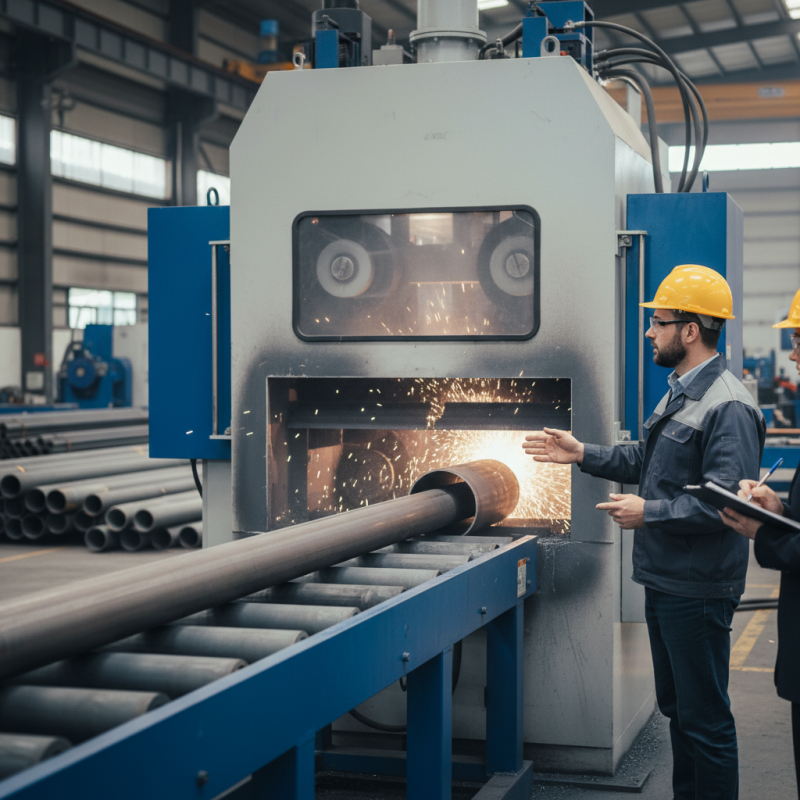
Pipe shot blasting machines play a crucial role in various industries. They are designed to prepare metal surfaces, especially pipes, by removing rust, old paint, and contaminants. This process enhances the adhesion of coatings, leading to a more durable finish. Understanding the various applications of these machines can significantly impact productivity and quality in manufacturing environments.
Choosing the right pipe shot blasting machine requires looking at specific features. Consider the size and type of pipes you frequently work with. The machine’s capacity should match your production needs. It's also important to think about the media used for blasting. Different media can create various surface finishes. A professional, knowledgeable operator can help you select the appropriate options.
Many users overlook maintenance needs. Regular maintenance prolongs the machine's life and efficiency. Neglecting this could lead to costly downtimes. Seeking expert advice can help identify potential issues before they become significant problems. Remember, the right machine is only effective if used properly and maintained. Investing time into these considerations pays off in the long run.
Top Tips for Choosing a Pipe Shot Blasting Machine
Understanding the different types of pipe shot blasting machines and their applications can significantly enhance your operational efficiency. Below is a comparison of the average operational costs versus maintenance requirements for various pipe shot blasting machines.
Key Features to Consider When Selecting a Pipe Shot Blasting Machine
When choosing a pipe shot blasting machine, certain key features warrant careful consideration. The efficiency of the blasting process should be a top priority. Look for machines that offer adjustable pressure settings. This allows users to control the intensity of the blast, which impacts the finish quality of the pipes. A good system will let you adapt based on the type of surface and material.
Another crucial feature is the machine's capacity and size. Ensure it fits your operational needs. Consider the pipe lengths and diameters you typically work with. A compact model might save space, but a larger machine could enhance productivity. Sometimes, a smaller machine may not meet your throughput requirements.
Don't forget to examine ease of maintenance. Machines can be demanding. Regular upkeep is essential for longevity and performance. A design that simplifies access to parts will make cleaning and repairs less of a hassle. Look for user-friendly controls too; even small interfaces can affect workflow and productivity.
When you assess these aspects, remember to reflect on your specific requirements carefully. Instead of rushing the choice, take time to evaluate your options thoroughly. Adjustments may be needed as you learn from your initial choices.
Evaluating the Efficiency and Performance of Blast Equipment
When choosing a pipe shot blasting machine, efficiency and performance are critical elements. A well-designed blasting system can increase productivity by up to 30%, according to a study by the International Society for Abrasive Blasting. Efficiency measures how effectively the machine uses energy and material. A higher energy efficiency means lower operational costs. Checking the machine's specifications is vital for understanding its performance metrics.
Performance can also be influenced by the type of abrasives used. Research shows that different abrasives can impact surface finish quality. For instance, steel shots offer durability, while glass beads provide a smoother finish. Evaluating the compatibility of abrasives with your specific applications is essential. Poor selection may lead to equipment wear or subpar finish quality.
A key point to consider is maintenance. A machine that requires frequent repairs may disrupt operations. The cost of parts and downtime can add up quickly. Regular performance reviews can help identify inefficiencies early. Always ask for equipment test results to validate claims made by manufacturers. Consider all these factors before making your investment.
Choosing the Right Size and Capacity for Your Needs
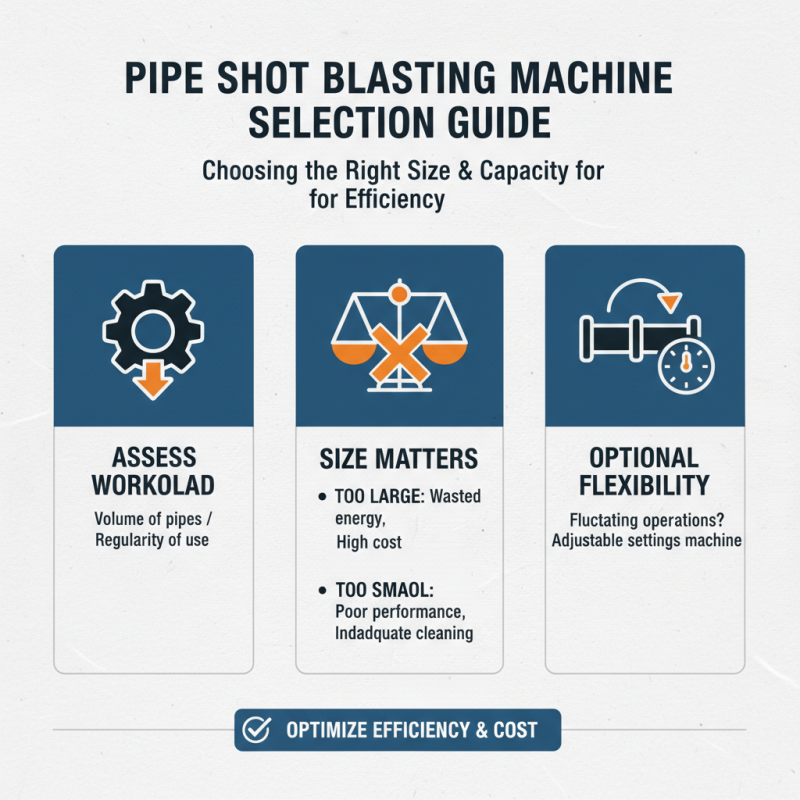
Choosing the right size and capacity for a pipe shot blasting machine is crucial for efficiency. A machine too large may waste energy and cost, while one too small can lead to inadequate performance. Assess your workload carefully. Consider the volume of pipes you need to blast regularly. If your operations fluctuate, opt for a machine with adjustable settings.
Next, think about the pipe dimensions. The length and diameter influence what machine suits your needs. If pipes vary in size, select a model that can handle the largest dimensions. Remember, a machine's capacity is not just about power but also process efficiency. You don’t want to over or underutilize equipment.
Last, keep in mind space limitations. The size of your workshop can restrict the machine you choose. A larger machine typically requires more space for operation and maintenance. Reflect on your workflow and possible future needs. Investing in the right size now can save you headaches later. Adjusting to the right machine will enhance your production.
Assessing Maintenance Requirements and After-Sales Support
When selecting a pipe shot blasting machine, evaluating maintenance requirements is crucial. A recent industry report states that over 40% of machine downtime is linked to inadequate upkeep. Regular maintenance ensures peak performance and longevity. Neglecting this aspect can lead to costly repairs and production delays.
After-sales support is another key factor in the decision-making process. Reliable service can significantly reduce operational risks. A survey found that nearly 75% of companies prioritize after-sales service when choosing equipment. Quick access to technical support and spare parts is essential. It prevents long downtimes and enhances productivity. Additionally, some users report difficulty in finding qualified technicians for maintenance.
Selecting a machine with comprehensive after-sales support can be challenging. Many manufacturers offer varying levels of service. Researching user reviews and company histories can provide insight. Understanding warranty options is equally important. A well-supported machine can lead to a more productive operation in the long run.