Top Peening Machine Types for Surface Treatment Applications?
In the ever-evolving field of surface treatment applications, the role of the Peening Machine remains crucial. According to Dr. Emily Chen, a renowned expert in surface engineering, "Proper peening can enhance residual stress profiles and improve component lifespan." This highlights the significance of selecting the right peening type for specific needs.
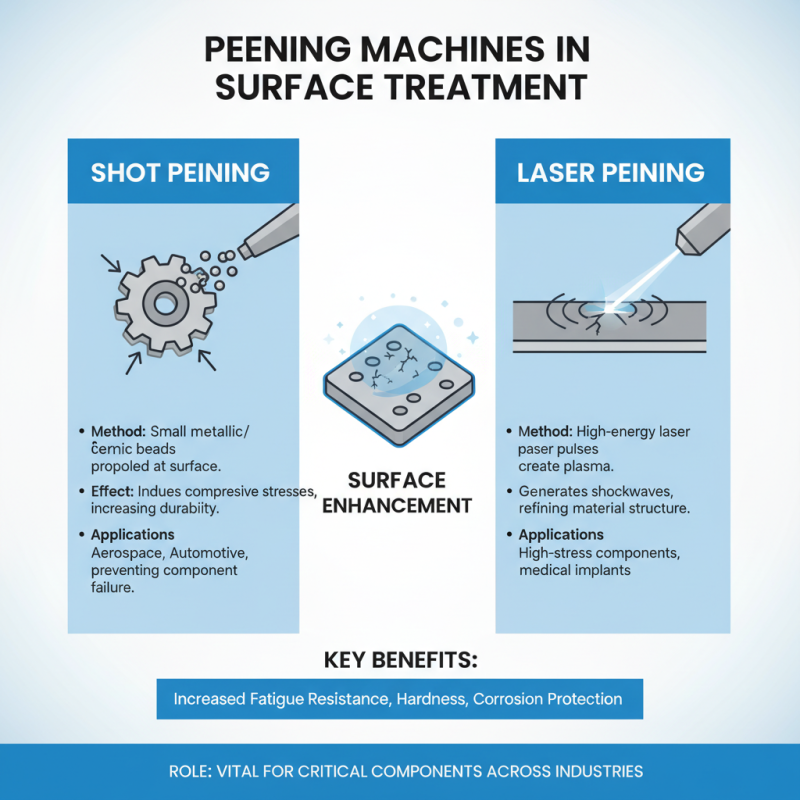
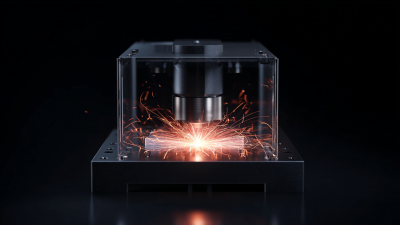
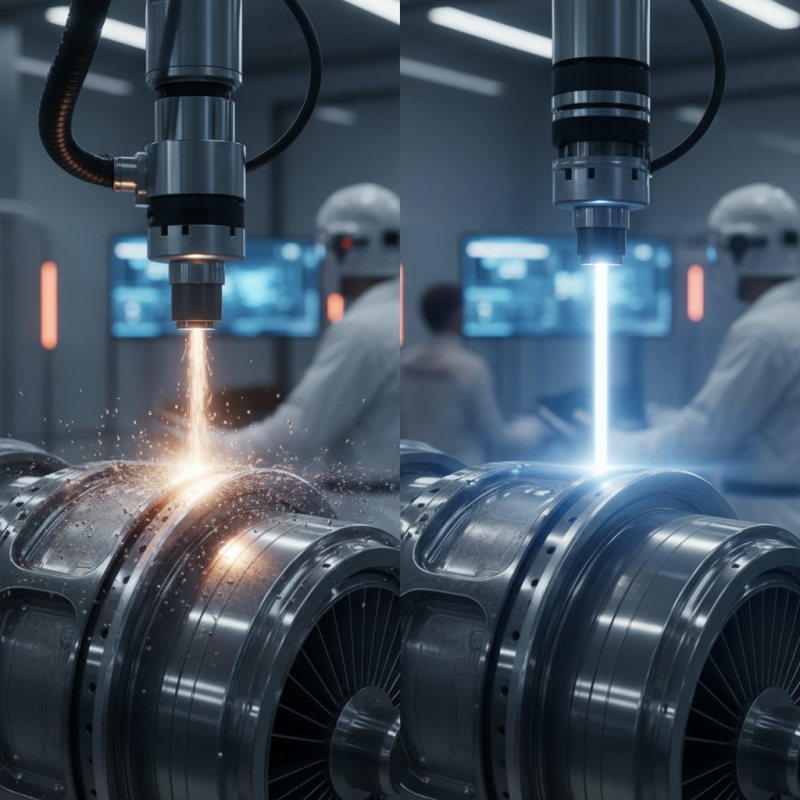
Understanding various Peening Machine options is essential for optimizing performance. For instance, shot peening and laser peening are two prominent techniques that cater to different applications. In shot peening, small spheres compress the surface, enhancing fatigue resistance. Conversely, laser peening uses focused laser energy, offering precision with minimal substrate deformation.
Despite advancements, selecting the ideal Peening Machine can be challenging. Many companies grapple with technical specifications and application suitability. It's vital to address machine limitations and maintenance requirements, ensuring reliability in prolonged operations. Thus, while the various types offer potential benefits, users must remain cautious. Exploring user experiences and expert recommendations can improve decision-making in this specialized industry.
Understanding Peening Machines in Surface Treatment
Peening machines play a vital role in surface treatment applications, enhancing durability and resistance. These machines use methods like shot peening and laser peening. Each technology offers unique benefits for various materials and components. For example, shot peening involves using small metallic or ceramic beads to induce compressive stresses on metal surfaces. This process is crucial in aerospace and automotive industries, where component failure can be catastrophic.
Understanding the mechanics of peening machines is essential for selecting the right type. Laser peening has gained traction for its precision. It uses high-energy laser pulses to create shock waves. This process is less invasive than traditional methods and can be used on complex geometries. However, it requires skilled operators for optimal results. The choice between technologies often reflects cost, application requirements, and the desired finish.
While peening machines enhance performance, they aren't without limitations. Some materials may not respond well to certain peening methods. Moreover, the setup and maintenance of these machines can be costly. Organizations must weigh these factors carefully. The effectiveness of any peening machine depends heavily on proper setup and trained personnel. Without that, even the best machines can underperform.
Types of Peening Machines: An Overview
Peening machines play a vital role in surface treatment applications. They improve the durability of materials through a process of shot peening. This technique involves bombarding surfaces with small, hard particles. These machines come in various types, each designed for specific applications.
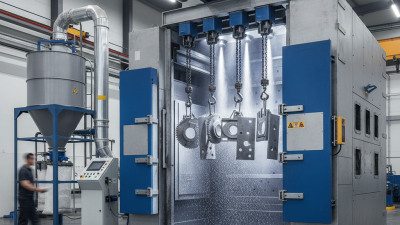
One common type is the wheel blast machine. It utilizes high-speed wheels to propel abrasive media. This machine is efficient for treating large surfaces. Another type is the air blast peening machine. It uses compressed air to achieve similar effects. This option is better for complex geometries and delicate components. Both types have their benefits, depending on the tasks at hand.
Understanding the characteristics of each machine type is essential. The right choice can significantly influence the effectiveness of surface treatment. Unfortunately, not every facility conducts thorough research before selecting a machine. This oversight may lead to suboptimal production outcomes. Investing time in evaluating needs and machine capabilities can yield better results.
Top Peening Machine Types for Surface Treatment Applications
| Type of Peening Machine |
Application |
Media Used |
Advantages |
| Centrifugal Peening Machine |
Aluminum and Steel Components |
Steel Balls, Glass Beads |
High efficiency, uniform coverage |
| Airblast Peening Machine |
Precision Parts |
Aluminum Oxide, Glass Beads |
Versatile and precise control |
| Shot Peening Machine |
Aerospace and Automotive Parts |
Steel Shots, Ceramic Beads |
Improves fatigue life and stress resistance |
| Ultrasonic Peening Machine |
Electronic Devices |
Plastic or Composite Media |
Minimal surface damage, precise treatment |
| Vacuum Peening Machine |
Sensitive Components |
Ceramic Media, Composite Materials |
Controlled environment, reduced contamination |
Benefits of Different Peening Methods in Surface Treatment
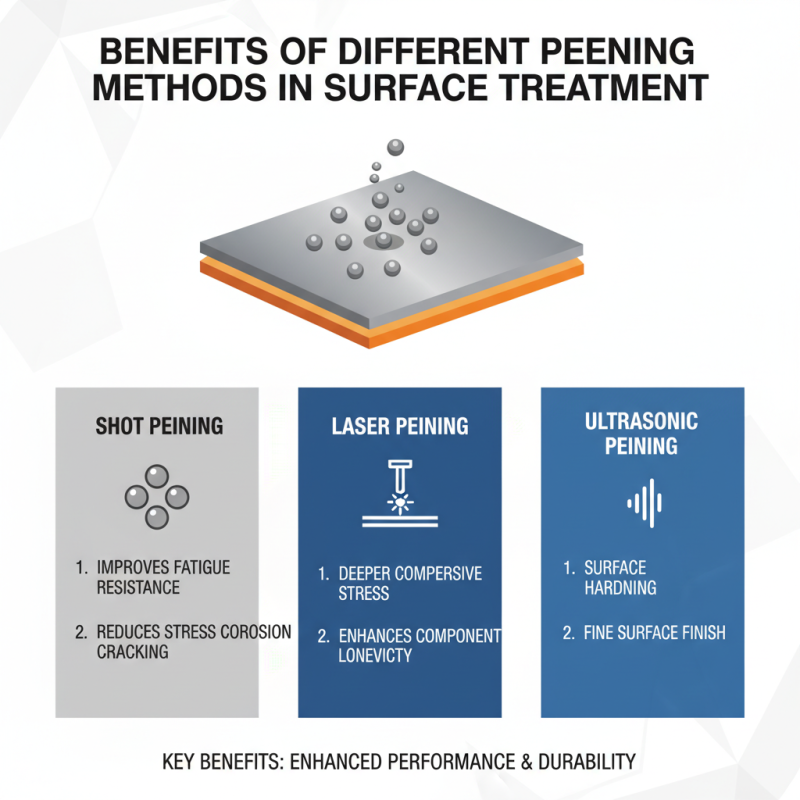
Surface treatment applications benefit significantly from various peening methods. Each method offers unique advantages for enhancing component longevity and performance. The process involves bombarding metal surfaces with media, which helps improve fatigue resistance and reduces the likelihood of stress corrosion cracking.
Shot peening is a well-known technique. It introduces compressive residual stresses into the surface, extending the lifespan of parts. This method has shown effectiveness in sectors like aerospace and automotive. Likewise, grit peening, using finer materials, can create a smoother surface finish. This method improves adhesion in coatings, a critical factor in several industrial applications.
Another method, water-jet peening, employs high-pressure water to achieve surface enhancement. It is less abrasive and minimizes the risk of damaging delicate components. However, this method may not be as effective as traditional techniques on harder surfaces. Each method has its limits, requiring careful consideration of application needs. Proper method selection is crucial. Choosing the wrong approach could lead to inadequate results. Understanding the specific benefits of each peening technique is essential for optimal surface treatment outcomes.
Applications of Peening Machines in Various Industries
Peening machines play a crucial role in surface treatment across multiple industries. They improve the durability and performance of various components. Common applications include aerospace, automotive, and construction. In aerospace, these machines help strengthen turbine blades and improve resistance to fatigue. The process mitigates stress concentrations, enhancing the lifespan of critical parts.
In the automotive industry, peening machines are used to treat gears, crankshafts, and engine parts. This treatment reduces the risk of fractures and increases overall reliability. Moreover, the construction sector benefits from peening machines by treating metal structures, ensuring they can withstand harsh environments. Using these machines can lead to more robust and long-lasting products.
However, not every application sees success. Sometimes, improper settings can lead to insufficient peening or over-treatment. This may cause surface defects rather than improvements. Operators must be skilled to adjust techniques based on the material and desired outcome. Continuous improvement in processes is vital to optimize outcomes in diverse industries.
Factors to Consider When Choosing a Peening Machine
When selecting a peening machine, several critical factors come into play. The surface treatment industry heavily relies on both the type of peening media used and the machine’s operational capabilities. According to recent industry reports, approximately 68% of professionals indicate that the choice of media directly impacts the surface finish quality. Therefore, opting for the correct media can lead to significant improvements in fatigue resistance and overall component longevity.
Another crucial aspect to consider is the machine's size and versatility. Peening machines come in various sizes, tailored for different applications. Statistics show that around 45% of companies have reported mismatches between their needs and the machine's capabilities, resulting in inefficiencies. This mismatch often leads to increased rework and delays. Evaluating the machine's adaptability for future projects can save both costs and time in the long run.
Lastly, operator training and maintenance support should not be overlooked. A study revealed that 32% of machinery failures stem from inadequate operator knowledge. Proper training not only enhances productivity but also reduces the likelihood of equipment breakdowns. Companies must invest in continuous training programs to ensure the team is proficient with the technology, thus optimizing their peening processes and overall output.