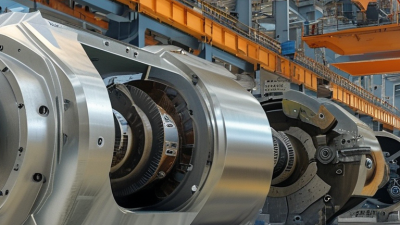
Top Rotary Shot Blasting Machine for Global Buyers?
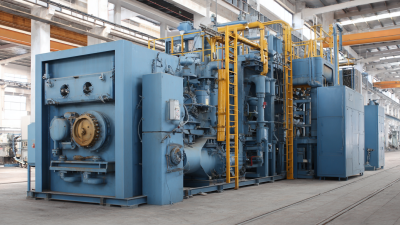
In the competitive world of surface preparation, the **Rotary Shot Blasting Machine** stands out as an essential tool. Experts like Dr. David Salter, a leading authority in surface treatment technology, state, “Investing in a reliable blasting system can transform production efficiency.” This industry insight emphasizes the importance of selecting the right machine.
The global market offers various models of rotary shot blasting machines, each with distinct features. These machines have become vital for manufacturers seeking to enhance product quality. They effectively remove contaminants and prepare surfaces for further treatment. While their initial cost may seem high, the long-term benefits justify the investment.
Yet, not all machines meet the rigorous demands of every industry. Potential buyers should thoroughly assess their options. Reliability and performance vary across brands. Making an informed choice requires deeper consideration of each machine's specifications. The right rotary shot blasting machine not only increases efficiency but also improves overall safety. Quality cannot be compromised, and choosing wisely is crucial for success.

Top Rotary Shot Blasting Machine Types and Their Unique Features
When considering rotary shot blasting machines, understanding their types and features is essential. There are several prominent types: batch machines, continuous machines, and overhead machines. Each type serves distinct purposes in surface preparation and cleaning.
Batch machines are versatile and ideal for smaller operations. They effectively clean and prepare different parts without continuous operation. Continuous machines, however, are designed for high volume processing and are more efficient for mass production. Overhead machines maximize floor space and are perfect for large or bulky items, providing a safe working environment.
Tips for selecting the right machine include assessing the types of materials involved and the desired finish quality. Consider the available space and operational volume. It’s vital to reflect on past experiences with similar machines, acknowledging areas that need improvement. Test the machines if possible, as this direct experience can offer unexpected insights. Remember, not all machines suit every application; choose wisely based on specific needs.
Key Benefits of Rotary Shot Blasting in Surface Preparation Processes
Rotary shot blasting offers several key benefits in surface preparation processes. This technique utilizes centrifugal force to propel steel shots against surfaces, effectively removing contaminants. It enhances surface cleanliness and improves adhesion for coatings. Industry reports indicate that using shot blasting can achieve up to 90% efficiency in surface preparation when compared to traditional methods.
The ability to achieve a uniform surface profile is crucial. Consistency in surface treatment ensures better performance and longevity of coatings. For example, a well-prepared surface can extend the lifespan of paint adhesion by 40%. Statistics suggest that facilities using rotary shot blasting experience a significant reduction in rework, ultimately saving time and costs.
**Tips:** Invest in training for operators to optimize machine use. Proper equipment maintenance can enhance performance and reduce downtime. Regularly review your surface preparation process to identify areas for improvement. Reflecting on any inefficiencies can lead to better outcomes. Remember, a thorough approach will yield the best results in your projects.
Market Analysis: Leading Manufacturers and Global Demand Trends
As the demand for efficient surface preparation methods increases, rotary shot blasting machines are gaining traction globally. These machines are essential in various industries, including aerospace, automotive, and metal fabrication. Manufacturers are focusing on innovation to enhance performance and durability. Buyers seek machines with advanced features that ensure consistent results.
Recent market analysis reveals notable trends in global demand. Emerging markets in Asia and South America show significant growth potential. Factors such as industrialization and rising infrastructure projects drive this demand. However, challenges remain. Many manufacturers struggle with production costs, which can affect pricing strategies. Balancing quality and affordability is crucial for capturing market share.
In addition, the shift towards sustainable practices cannot be overlooked. Buyers increasingly prefer machines that minimize waste and energy consumption. While advancements have been made, there remains room for improvement. Ensuring compliance with environmental standards is a continuous journey for many manufacturers. The future of rotary shot blasting machines hinges on addressing these complexities while meeting evolving customer expectations.
Technical Specifications: What Buyers Should Look for in Machinery
When selecting a rotary shot blasting machine, technical specifications are critical for buyers. The efficiency of the machine is paramount. Look for air consumption rates and power requirements to ensure they align with your production goals. A lack of optimization may lead to excessive energy costs.
Consider the material composition of the machine. High-quality steel or robust alloys can extend the machine's lifespan and improve durability. Subpar materials can result in frequent maintenance, disrupting workflow. It’s important to assess the wear parts; their availability can impact long-term usage.
Tips: Always request a demonstration. This provides insights into performance. Additionally, review user feedback on maintenance issues. It can reveal hidden challenges that specifications alone may not indicate. Finally, compare warranties. A strong warranty can reflect the manufacturer's confidence in their product's reliability.
Top Rotary Shot Blasting Machine for Global Buyers
| Model |
Blast Wheel Power (kW) |
Capacity (kg/h) |
Max Workpiece Size (mm) |
Weight (kg) |
Dimensions (mm) |
| Model A |
15 |
600 |
800 x 800 |
3500 |
3000 x 1500 x 2000 |
| Model B |
22 |
800 |
1000 x 1000 |
4500 |
3500 x 1800 x 2500 |
| Model C |
30 |
1000 |
1200 x 1200 |
6000 |
4000 x 2000 x 3000 |
Cost-Benefit Comparison: Investing in Rotary Shot Blasting Equipment
Investing in rotary shot blasting equipment can be a pivotal decision for manufacturers. The cost and benefit analysis plays a crucial role in this investment. Upfront costs may seem daunting, but the efficiency gained can lead to significant long-term savings. Companies often overlook maintenance costs, which can add up over time. It’s essential to consider both initial expenses and ongoing upkeep.
Consider the production capacity. A high-capacity machine may require a larger initial investment. However, it could streamline operations and reduce labor costs over time. Users must evaluate their specific needs. Sometimes, opting for a lower-capacity machine may better serve smaller operations. Each facility has unique demands, requiring a tailored approach.
Further, the impact on product quality is a crucial factor. Enhanced surface preparation can improve final product quality. This can result in fewer reworks and increased client satisfaction. But, investing in advanced technology sometimes leads to a steep learning curve. Training employees effectively becomes essential. Balancing these factors can be complex, but when done right, it pays off.