Top 10 Sand Blasting Machine Uses for Effective Surface Preparation
In the realm of surface preparation, the Sand Blasting Machine stands as a vital tool across various industries. Its ability to effectively remove contaminants, rust, and old paint makes it an indispensable asset for ensuring optimal surface conditions. From automotive refinishing to steel structure maintenance, the versatility of sand blasting technology cannot be overstated. By utilizing high-velocity abrasive materials, this machine prepares surfaces for better adhesion, leading to enhanced durability and aesthetic appeal of the final product.
As we explore the top 10 uses of the Sand Blasting Machine, we will delve into its applications that streamline processes and improve outcomes in different sectors. Whether it’s for cleaning, etching, or surface profiling, each use case highlights the efficiency and effectiveness of sand blasting techniques.
Understanding these applications not only showcases the importance of this equipment but also guides professionals in selecting the right methods to achieve their surface preparation goals effectively.
Top 10 Applications of Sand Blasting Machines for Optimal Surface Treatment
Sand blasting machines have a myriad of applications that enhance surface treatment across various industries. These machines are primarily used for cleaning surfaces and preparing them for further processing. One notable application is in the automotive industry, where sand blasting is employed to remove rust, paint, and other contaminants from vehicle parts, ensuring a clean surface for painting or coating. Additionally, in the aerospace sector, precision sand blasting techniques are used to finish turbine blades and other components, improving performance and longevity by providing a more durable surface.
Beyond the automotive and aerospace industries, sand blasting machines find significant application in construction and maintenance. They are crucial for surface preparation of concrete and steel structures, enabling better adhesion of coatings and paints, which is vital for structural integrity and aesthetics. In the realm of healthcare, sand blasting is used to prepare dental and orthopedic implants, where a smooth and clean surface is critical for successful bonding with biological tissues. Furthermore, as industries increasingly prioritize maintenance and longevity, the demand for sand blasting machines is expected to drive market growth, reflecting their indispensable role in optimal surface treatment processes.
Top 10 Sand Blasting Machine Uses for Effective Surface Preparation
| Application |
Purpose |
Materials Used |
Benefits |
| Metal Surface Preparation |
Cleaning and removing rust |
Steel, Iron |
Increases adhesion for coatings |
| Concrete Surface Cleaning |
Restoring appearance and removing stains |
Concrete |
Enhances surface for treatments |
| Wood Preparation |
Removing old paint or finish |
Wood |
Prepares for new finishes |
| Glass Etching |
Creating decorative finishes |
Glass |
Aesthetic enhancement |
| Automotive Restoration |
Preparing surfaces for painting |
Metal, Fiberglass |
Improves paint finish quality |
| Aerospace Component Cleaning |
Removing contaminants |
Aluminum, Titanium |
Ensures reliability and safety |
| Surface Texturing |
Improving grip or adhesion |
Plastic, Metal |
Enhances functional properties |
| Restoration of Historical Artifacts |
Cleaning and preserving |
Stone, Metal |
Preserves cultural heritage |
| Industrial Equipment Maintenance |
Preventive cleaning |
Various metals |
Extends equipment life |
| Dock and Marine Equipment |
Removing barnacles and rust |
Steel, Aluminium |
Improves marine efficiency |
Best Practices for Surface Preparation Using Sand Blasting Technology
Sand blasting technology has emerged as a critical method for effective surface preparation in various industries, enhancing both the performance and aesthetics of materials. According to a recent report by Market Research Future, the global sand blasting equipment market is projected to reach USD 4.4 billion by 2027, driven by the increasing demand for abrasive cleaning processes. This highlights the necessity of adhering to best practices in surface preparation to maximize the benefits of sand blasting.
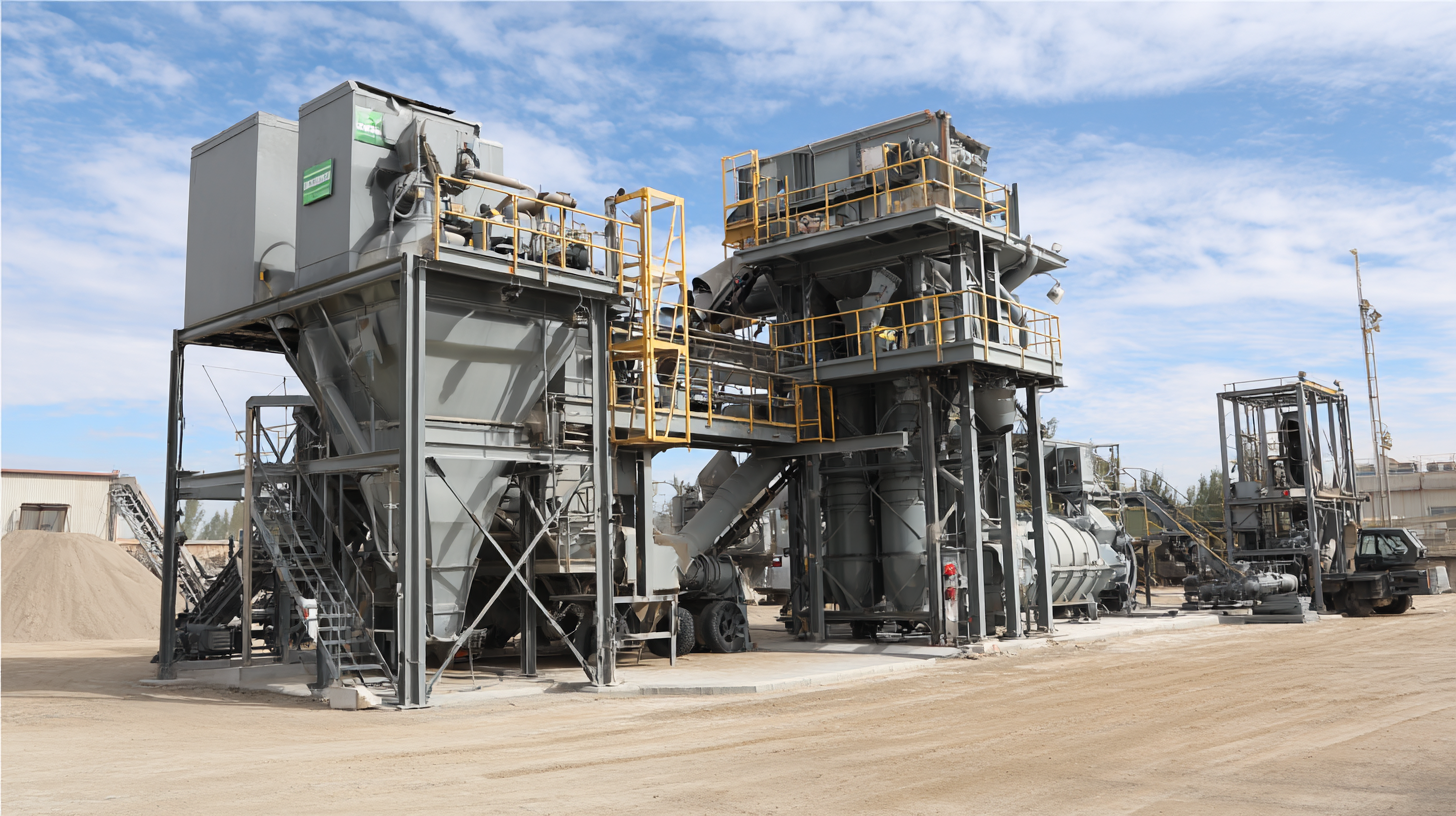
One of the foremost best practices is the selection of appropriate abrasives, as this can significantly influence the quality of surface finish. For instance, the use of aluminum oxide abrasives, which are known for their durability and efficiency, can yield a roughness average (Ra) as low as 1.6 µm, making them ideal for specific applications like automotive and aerospace components. Furthermore, maintaining optimal nozzle distance during blasting is essential. A consistent distance of 6 to 12 inches can ensure uniform coverage and minimize surface defects, enhancing the overall effectiveness of the process. Implementing these best practices not only improves surface preparation outcomes but also extends the lifespan of both the machinery and the components being treated.
Top 10 Industries Benefiting from Advanced Sand Blasting Techniques
Sand blasting, also known as abrasive blasting, is widely utilized across various industries for effective surface preparation. The automotive sector, for instance, benefits significantly from advanced sand blasting techniques. According to a report by Grand View Research, the global automotive sand blasting market is projected to grow at a CAGR of 4.8% through 2025. This growth is driven by the need for efficient cleaning of various car components and enhancing paint adhesion, ensuring a superior finish and longevity of vehicles.
The aerospace industry is another sector leveraging sand blasting technologies to meet stringent safety and performance standards. The use of sand blasting in preparing aircraft surfaces helps in removing contaminants and improving coating application. Research from Research and Markets indicates that the aerospace maintenance, repair, and overhaul (MRO) market will witness substantial growth, primarily due to the increasing need for high-quality surface preparation techniques, including sand blasting. Furthermore, the rise of advanced materials like composites and alloys in aerospace applications increases the demand for precise and effective surface treatment methods to maintain structural integrity while enhancing weight efficiency.
Overall, industries such as construction, manufacturing, and marine are also capitalizing on the benefits of sand blasting for surface preparation, showcasing its versatility and efficacy in achieving optimal surface conditions for various applications.
Best Types of Abrasives for Different Sand Blasting Applications
The global sand blasting market is witnessing significant growth, with its value projected to reach approximately $540 million by 2024 and an expected climb to $900 million by 2033. This impressive expansion translates to a compound annual growth rate (CAGR) of about 5.9%, indicating a robust demand for various sand blasting applications across multiple industries. As companies increasingly prioritize surface preparation for enhanced product quality, the choice of abrasives is becoming a critical factor in optimizing these processes.
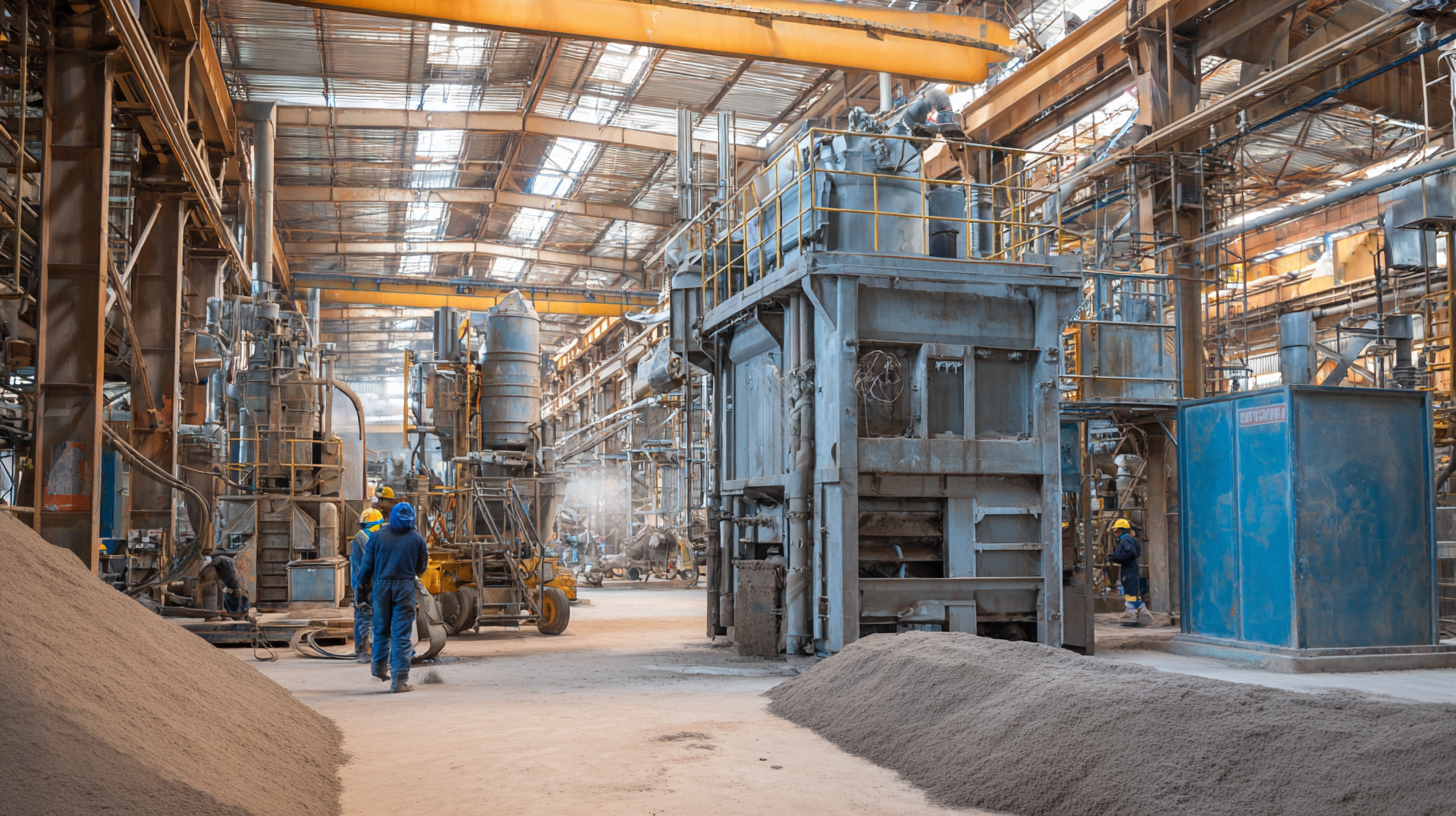
Different types of abrasives serve specific purposes in sand blasting, catering to the diverse needs of industries such as automotive, aerospace, and construction. Options range from aluminum oxide and glass beads to garnet and steel shot, each offering unique material properties that influence the effectiveness of surface preparation. Understanding the best types of abrasives for specific applications not only improves efficiency but also plays a vital role in ensuring the quality and durability of finished products. As the market continues to evolve, innovation in abrasive materials and techniques is expected to drive further advancements in the sand blasting sector.
Top 10 Safety Considerations When Using Sand Blasting Machines
When utilizing sand blasting machines, safety should always be the paramount concern. One of the foremost considerations is the use of appropriate personal protective equipment (PPE). Operators must don protective gear, including respirators, goggles, gloves, and full-body suits, to shield themselves from harmful dust and debris generated during the blasting process. Proper ventilation in the workspace is also essential to minimize inhalation risks associated with silica or other particulate matter.
In addition to personal protection, it is critical to conduct thorough equipment checks before operation. Ensuring that hoses, nozzles, and machine components are in good condition can prevent accidents caused by equipment failure. Training personnel in safe operating procedures and emergency response actions is another vital safety measure. Regular monitoring for noise levels and adherence to manufacturer guidelines for pressure settings can further enhance safety while using sand blasting machines, ensuring a secure and efficient surface preparation process.
Top 10 Applications of Sand Blasting Machines
This chart illustrates the top 10 applications of sand blasting machines and their respective frequency of use. Surface preparation is the most common application, followed closely by surface cleaning and paint removal.