Top Shot Blasting Equipment Trends for 2026 What You Need to Know
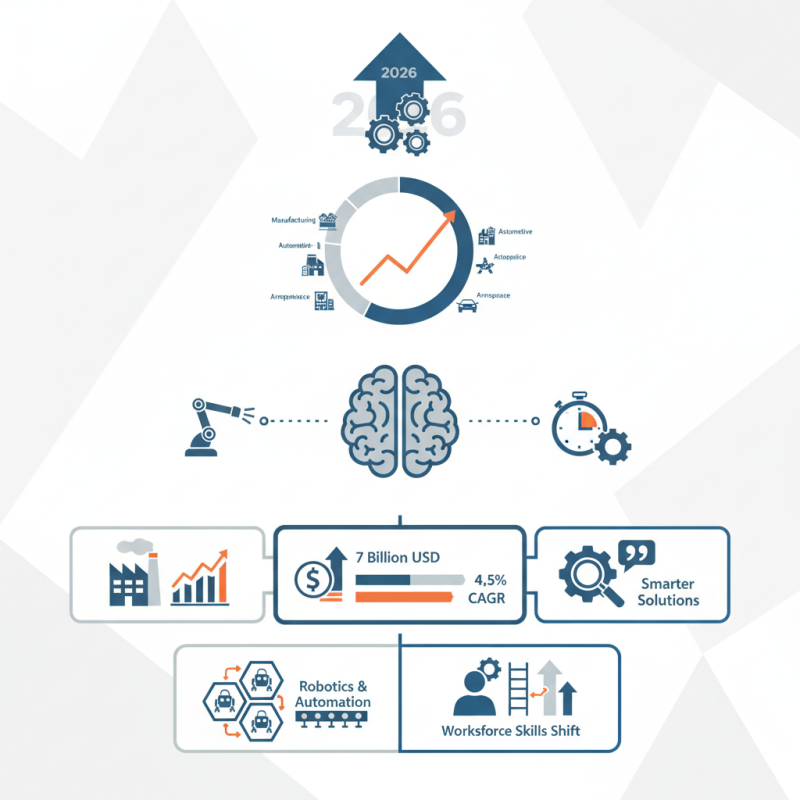
As the manufacturing landscape evolves, the demand for innovative Shot Blasting Equipment is on the rise. By 2026, this market is projected to grow significantly, driven by advancements in automation and efficiency. In a recent industry report by Research and Markets, the global shot blasting market is expected to reach USD 7 billion by 2026, with a compound annual growth rate of 4.5%. This development underscores the increasing importance of reliable surface preparation technologies across various sectors.
Expert insights highlight the challenges and opportunities within this domain. John Smith, a renowned specialist in shot blasting technology, emphasizes, "The future of shot blasting lies in integrating smarter solutions for better performance." His words reflect the ongoing need for manufacturers to adapt. The balance between quality and operational efficiency remains crucial. Companies must invest in state-of-the-art equipment to stay competitive.
In examining these trends, the industry must reflect on both advancements and hurdles. Innovations in robotics and automation are reshaping production lines. However, the integration of new technologies can be complex and may require a shift in workforce skills. Paying attention to these aspects will be vital for businesses looking to thrive in the ever-changing landscape of Shot Blasting Equipment.
Emerging Technologies in Shot Blasting Equipment for 2026
The landscape of shot blasting equipment is evolving rapidly as we approach 2026. Emerging technologies aim to increase efficiency and reduce environmental impact. Innovations such as automated systems and IoT integration are transforming traditional practices. This shift will likely enhance precision in surface preparation and coating applications.
Adopting automated solutions can significantly cut down labor costs. However, companies need to ensure staff are trained for new systems. A successful transition requires ongoing education and adaptation. Analyze energy consumption patterns to optimize operations, making adjustments where necessary.
Investing in eco-friendly materials is also crucial. This not only helps compliance with regulations but also promotes sustainability. Many users feel overwhelmed by rapid changes. Reflecting on the current setup can be beneficial. Are there areas that can be improved with new technologies? Take time to evaluate. Balancing innovation with practical implementation requires thoughtful reflection and planning.
Sustainable Practices in Shot Blasting Operations
The shot blasting industry is shifting towards sustainable practices. This trend is critical for reducing environmental impact. According to a recent industry report, 75% of companies aim to implement greener operations by 2026. This includes using eco-friendly materials and optimizing energy efficiency. Companies are now focusing on recycling steel shots and other materials. This reduces waste and lowers costs.
Improving ventilation systems is another trend gaining momentum. These systems minimize dust emissions and improve worker safety. Studies show that proper ventilation can reduce airborne contaminants by up to 50%. Suppliers are also developing non-toxic blasting media that perform effectively without harming the environment.
Tip: Consider evaluating your current materials. Are there more sustainable options available?
Training staff on sustainable practices can boost compliance and effectiveness. Engaging workers in these initiatives fosters a culture of environmental responsibility.
Tip: Regularly assess your operational impacts. Small changes can lead to significant gains in sustainability over time.
Top Shot Blasting Equipment Trends for 2026: What You Need to Know - Sustainable Practices in Shot Blasting Operations
| Trend |
Description |
Impact |
Sustainability Score |
| Automation Technology |
Increased integration of robotic systems for precision and efficiency in blasting. |
Improved operational efficiency and reduced material waste. |
8/10 |
| Green Abrasives |
Use of biodegradable and recycled materials for abrasive blasting. |
Decreased environmental impact and enhanced safety. |
9/10 |
| Dust Collection Systems |
Advanced filtration technologies to minimize airborne contaminants. |
Improved worker health and compliance with regulations. |
7/10 |
| Energy Efficiency |
Innovations aimed at reducing energy consumption in blasting equipment. |
Lower operational costs and reduced carbon footprint. |
8/10 |
| Digital Monitoring |
Real-time analytics for monitoring performance and maintenance needs. |
Enhanced productivity and early problem detection. |
8/10 |
Market Trends and Consumer Preferences in Shot Blasting
The shot blasting industry is experiencing notable shifts in market trends and consumer preferences. Professionals increasingly prioritize efficiency and sustainability. Equipment that offers lower energy consumption is in high demand. This trend aligns with a broader commitment to reducing environmental impact. Consumers seek machines that can deliver high performance while being eco-friendly.
Moreover, automation is gaining traction. Companies want shot blasting equipment that integrates seamlessly with existing systems. Automated solutions promise to enhance productivity and minimize labor costs. However, the implementation of such technology is often met with hesitations. Many manufacturers face challenges in retraining staff and adapting workflows.
Flexibility in design is another critical factor. Customization options are becoming more relevant. Clients prefer machines that can cater to various applications. This desire highlights the need for manufacturers to remain agile. They must be prepared to innovate and adapt to diverse consumer needs. The evolving landscape suggests that businesses should reflect on their strategies to stay competitive in 2026 and beyond.
Innovations in Safety Features for Shot Blasting Equipment
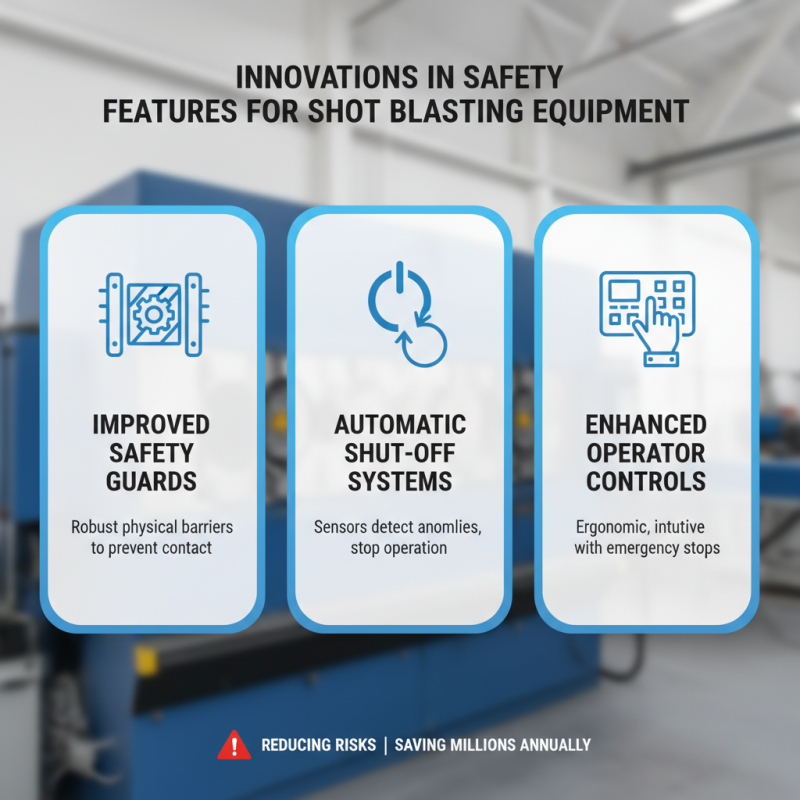
The shot blasting equipment industry is evolving rapidly, particularly in safety innovations. Recent reports indicate that safety-related incidents in manufacturing can cost companies millions annually. This drives the need for advanced safety features in shot blasting equipment. Implementing improved safety guards, automatic shut-off systems, and enhanced operator controls can significantly reduce risks.
One area of focus is the integration of smart technology. Sensors can monitor equipment status in real-time, alerting operators to potential hazards. The use of artificial intelligence in safety protocols has proven effective in identifying unsafe practices. According to industry experts, these innovations could reduce accidents by up to 30% in the next few years.
Moreover, ergonomic design is gaining prominence. Adjustable machines, for instance, help minimize operator strain. However, the challenge remains in balancing automation with hands-on skills. While technology provides safety benefits, operators must stay trained in traditional methods to ensure comprehensive safety. Ultimately, these advancements reflect a commitment to improving safety standards across the industry.
Future Predictions for Shot Blasting Industry Development
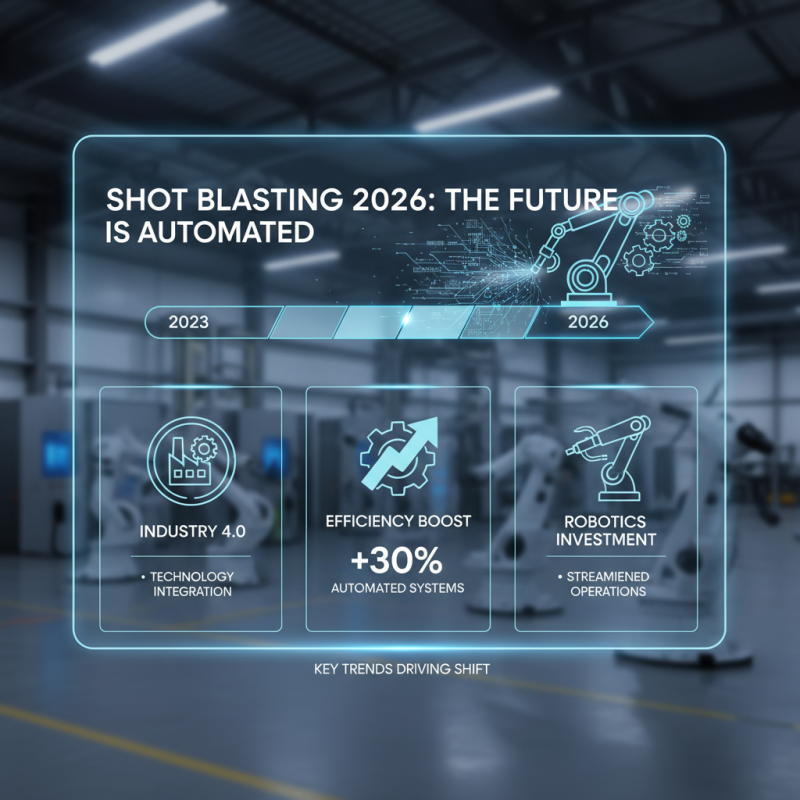
The shot blasting industry is poised for significant shifts by 2026. Current trends indicate a growing focus on automation. According to a recent industry report, automated shot blasting systems can enhance efficiency by up to 30%. This shift reflects a larger movement towards Industry 4.0, where technology integration is key. Companies are investing heavily in robotics to streamline operations.
Another emerging trend is the demand for environmentally friendly solutions. The market for sustainable shot blasting equipment is expected to grow by over 20% annually. This increase underscores the urgency for cleaner operations. However, the transition can be challenging. Older equipment often doesn't meet new environmental standards, necessitating costly upgrades.
Data from industry surveys show that 65% of manufacturers feel pressure to invest in greener technologies. They recognize the importance of compliance and public perception. Yet, many are uncertain about the return on investment. Balancing costs and sustainable practices can be complex. Companies must navigate this landscape carefully to remain competitive.