Top Shot Peening Machines for Global Buyers Today?
In today's manufacturing landscape, the importance of a reliable Shot Peening Machine cannot be overstated. Industry expert Dr. Emily Rodriguez, a leading authority in surface treatment technologies, emphasizes, "The right peening machine enhances material durability significantly." As global buyers seek optimal solutions, their decisions hinge on the effectiveness of shot peening processes.
Investing in advanced shot peening technology can elevate a company's production quality. However, not all machines on the market are created equal. Some may promise high performance but fall short in real-world applications. It's essential for buyers to evaluate their specific needs before making a commitment. The consequences of a poor choice can be costly.
Exploring the best shot peening machines requires careful consideration. Brands offer different features, and prices vary widely. Potential buyers might overlook crucial details involved in selecting the machine that aligns with their operational goals. Engaging with industry experts and evaluating various options can lead to informed decisions.
Understanding Shot Peening: Definition and Importance
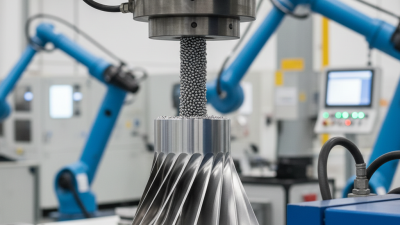
Shot peening is a key process in metalworking, enhancing the durability of components. It involves bombarding a surface with small spherical media. This induces compressive stresses that strengthen the material. Industries such as aerospace and automotive rely heavily on this technique. It helps improve fatigue resistance, extending the lifespan of parts.
Understanding shot peening is essential for manufacturers. Properly applied, it can mitigate weaknesses in metal components. However, not all shot peening processes are created equal. Variations in media size, intensity, and duration can lead to inconsistent results. Technicians must be careful to follow guidelines for optimal performance. Testing and adjustments are sometimes necessary to achieve the best outcomes.
A common misconception is that more intense peening always yields better results. In fact, excessive peening can harm certain materials. Overdoing it may cause surface cracks or lead to unwanted changes in properties. Striking a balance between efficacy and safety is crucial. Each application requires thoughtful consideration and skilled execution.
Types of Shot Peening Machines Available Today
When exploring shot peening machines, it’s essential to understand the different types available. These machines play a crucial role in enhancing the durability of metal components through controlled shot impacts. Among the most common types are air-driven machines, which utilize compressed air to propel abrasive media. They are versatile and efficient for various applications. Another popular type is wheel-driven machines. These use rotating wheels to launch shot at high speeds, making them suitable for larger workpieces.
However, the choice of machine isn’t always clear-cut. Factors like desired surface finish, production volume, and material type can affect decision-making. While air-driven machines offer adaptability, they may not provide the same velocity as wheel-driven types. In some cases, users may face challenges with media selection and maintenance. Regular upkeep is essential to ensure optimal performance and prevent unanticipated downtime.
Technology in this field continues to evolve. Automated shot peening systems, for example, are gaining traction. They promise efficiency and consistent results, but they come with a learning curve. As companies invest in these technologies, they must weigh the benefits against the operational complexity. This evolving landscape encourages buyers to stay informed and make educated choices.
Key Features to Consider When Choosing a Shot Peening Machine
When selecting a shot peening machine, understanding the key features is essential. A robust machine should offer flexibility in settings. The ability to adjust intensity and duration can greatly affect the outcome of the peening process. Look for machines that enable precise adjustments. This helps in optimizing performance across various materials.
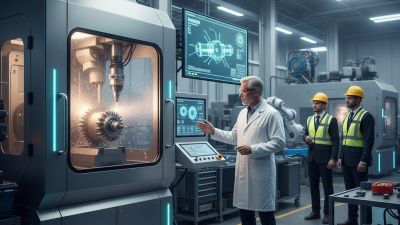
Another critical factor is the machine’s automation capabilities. Advanced machines often feature programmable settings. This allows for consistency and reduces human error. Automation not only improves efficiency but also enhances the reliability of results. Buyers should consider how user-friendly the controls are. Intuitive interfaces make operation smoother for staff.
Durability is equally important. Machines made from high-quality materials tend to perform better over time. Investing in a reliable machine pays off, as maintenance costs can add up quickly. Regular assessments of machine performance can reveal areas needing improvement. It's important to reflect on past experiences with machine capabilities to ensure future success. Each choice should align with production goals and desired outcomes.
Top Shot Peening Machines for Global Buyers Today
This chart illustrates the key features to consider when choosing a shot peening machine. The data represents the percentage of buyers prioritizing each feature in their decision-making process.
Top Global Manufacturers of Shot Peening Machines
The market for shot peening machines has witnessed notable developments in recent years. Key manufacturers have increasingly focused on enhancing the efficiency and precision of these machines. According to industry reports, the global shot peening machine market is projected to grow at a CAGR of around 5% through 2027. This growth highlights the rising demand across industries like aerospace and automotive, where fatigue resistance is crucial.
Top global manufacturers are deploying advanced technologies to optimize machine performance. For instance, employing ceramics in the production process has shown significant promise in improving component longevity. Data from a recent market analysis indicates that around 40% of manufacturers are now investing heavily in automation. This shift could potentially lead to higher production rates but may also raise questions about workforce adaptability and training needs.
Despite advancements, challenges remain. Many manufacturers continue to face issues with consistent quality control and regulatory compliance. Reports suggest that around 15% of machines fail to meet industry standards on first inspection. This emphasizes the importance of continuous improvement and investment in R&D. It's clear that while the future of shot peening machines looks bright, manufacturers must confront these persistent obstacles to fully capitalize on market opportunities.
Current Trends and Innovations in Shot Peening Technology
In the rapidly evolving field of shot peening technology, several trends and innovations are shaping the landscape. Currently, automation is becoming a key element in shot peening machines. Automated systems enhance precision and efficiency. They reduce human error, ultimately ensuring better treatment outcomes. Such solutions are attractive to manufacturers who prioritize quality control.
Another noticeable trend is the shift towards environmentally friendly practices. Companies are now exploring alternative media for shot peening. These eco-friendly options are less harmful when used. Additionally, advancements in process monitoring are gaining traction. Real-time data collection allows operators to optimize performance, providing insights into wear patterns and media effectiveness. This can lead to substantial improvements in the longevity of components.
However, while these advancements are promising, they do present challenges. The integration of new technologies can require significant investment. Many organizations may struggle with the change and adaptation processes. Also, understanding new technologies demands training and skill development, which can be a hurdle. Balancing innovation with cost-effectiveness remains a complex issue for many in the industry.
Top Shot Peening Machines for Global Buyers Today? - Current Trends and Innovations in Shot Peening Technology
| Machine Type |
Application |
Max Capacity (kg) |
Technology Features |
Market Trend (2023) |
| CNC Shot Peening Machine |
Aerospace Components |
500 |
Automated Control Systems |
Increasing Demand for Precision |
| Portable Shot Peening Machine |
Field Service |
150 |
Lightweight Design |
Growing Usage in On-Site Repairs |
| Robot-Assisted Peening |
Automotive Components |
300 |
High Automation Level |
Integration with Smart Factory Systems |
| Batch Shot Peening Machine |
Industrial Components |
1000 |
Multi-Stage Processing |
Shift Towards Bulk Processing Efficiency |
| Centrifugal Shot Peening Machine |
Marine Applications |
200 |
High Throughput Rates |
Emerging Use Cases in Renewable Energy |