Top 10 Wheel Blast Equipment You Need to Know About?
In the realm of surface preparation, understanding Wheel Blast Equipment is essential. Leading expert Dr. John Smith states, “Choosing the right wheel blast system can transform your production line.” This highlights the significance of this equipment in various industries.
Wheel Blast Equipment significantly enhances the cleaning and finishing of components. Its ability to remove contaminants ensures a strong bond for coatings and paints. However, selecting the right type can be challenging. Some businesses may underestimate the specific needs of their applications, leading to inefficiencies.
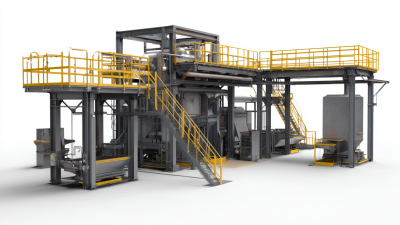
The diversity among Wheel Blast Equipment requires careful consideration. Different machines serve distinct purposes. For instance, a rotary blast machine offers uniform treatment, while a tumble blast machine caters to complex shapes. Recognizing these differences can prevent costly mistakes and enhance productivity. Understanding these options is crucial for anyone in this field.
Overview of Wheel Blast Equipment and Its Applications
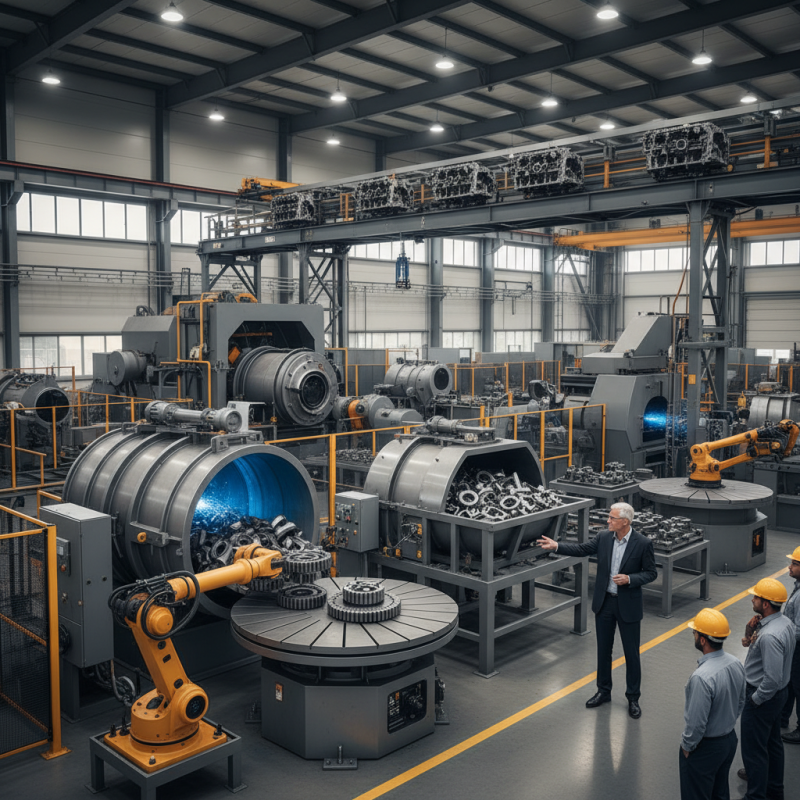
Wheel blast equipment plays a crucial role in various industries, including aerospace, automotive, and metal fabrication. This technology enhances surface finishing by cleaning, optimizing, and preparing materials for subsequent processes. According to a report by MarketsandMarkets, the wheel blast equipment market is projected to grow at a CAGR of 4.5% through 2026. This growth signals increasing demand for efficient surface treatment solutions.
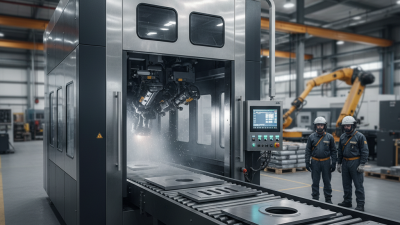
Proper application of wheel blast equipment can significantly reduce production time and enhance product quality. The process utilizes high-velocity wheels to propel abrasive materials against surfaces. This effectively removes contaminants and improves adhesion for coatings. However, one must be cautious, as improper settings can damage delicate substrates.
Tips for choosing the right equipment include assessing your specific material needs and surface requirements. Not every machine is the same; its capabilities should align with your operational goals. Regular maintenance is crucial to ensure optimal performance and longevity. Always consider the potential trade-offs between cost and equipment efficiency. The decision-making process requires careful evaluation and should involve consultation with industry experts.
Top 10 Wheel Blast Equipment Performance Comparison
Types of Wheel Blast Equipment: Key Variations Explained
Wheel blast equipment plays a vital role in surface preparation and cleaning processes. Various types exist, each with unique functions. Understanding these variations can optimize performance for specific tasks. For instance, tumblast machines offer efficient cleaning for large components. The movement during operation allows for thorough coverage, but it can be too aggressive for delicate pieces.
Another key type is the spinner hang machine. It employs a rotating mechanism to direct abrasive materials onto surfaces. This method provides uniformity yet requires careful calibration. The operator might face challenges in controlling the blast intensity. Additionally, the room setup plays a role in effectiveness, impacting workflow and safety.
Shot blasting machines are ideal for floor cleaning and surface finishing. They can cover large areas rapidly, but some users find consistency issues. Regular maintenance is essential to ensure optimum performance. Even with advanced equipment, time spent on set-up can be a hurdle. Evaluating each type meticulously ensures the right choice for specific needs. Proper knowledge and experience can greatly influence results.
Features to Consider When Choosing Wheel Blast Equipment
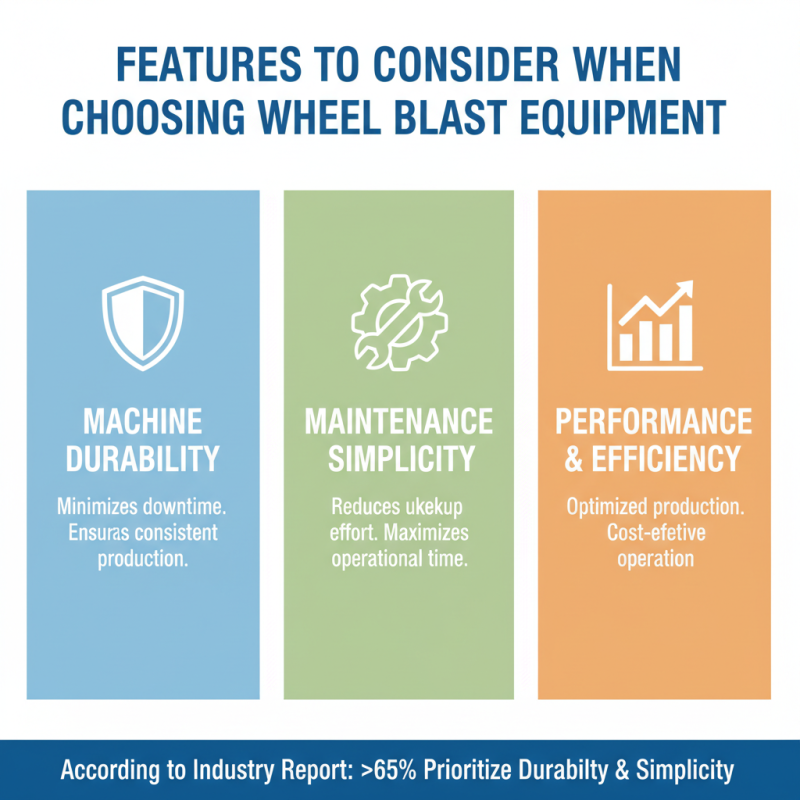
When choosing wheel blast equipment, it's essential to evaluate several key features. These features can significantly impact performance and efficiency. According to a recent industry report, over 65% of manufacturers prioritize machine durability and maintenance simplicity. Durable equipment minimizes downtime, ensuring consistent production flow.
Another critical aspect is the power of the blast wheel. Equipment with higher horsepower can deliver more force, improving surface preparation quality. It’s reported that a 10% increase in wheel speed can enhance abrasive coverage and reduce the treatment time by up to 15%. However, operators often overlook the importance of adjustability. Equipment that allows for easy adjustments can adapt to various application needs, increasing its versatility.
A common pitfall is neglecting the dust and noise control systems. Effective filtration systems can reduce airborne particles by up to 50%. However, many operators sometimes compromise on these features due to initial costs. Balancing these considerations with budget constraints can be tricky but essential for long-term success.
Maintenance Tips for Optimal Wheel Blast Equipment Performance
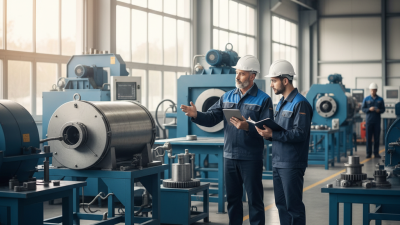
Maintaining wheel blast equipment is crucial for optimal performance. Regular inspections help identify wear and tear on important components. Replace worn parts immediately to prevent further damage. Keeping the equipment clean is essential. Dust and debris can hinder functionality and lead to mechanical failures.
Proper lubrication is often overlooked. Adequate grease in the system reduces friction. Inspect lubrication levels often, especially in high-use environments. Make a habit of checking alignment and tension for belts and chains. Misalignment can cause excessive wear, leading to costly repairs or replacements.
Training for operators can also improve equipment lifespan. Proper usage reduces the likelihood of accidents. However, even seasoned operators can make mistakes. Encourage a culture of communication regarding any issues faced while operating the equipment. This approach fosters a proactive maintenance mindset. Regular reviews of operational procedures can highlight areas for improvement. This ensures that the wheel blast equipment continues to perform at its best.
Future Trends in Wheel Blast Technology and Innovations
The wheel blast technology sector is witnessing rapid innovations. Industry experts emphasize a shift towards automation. Automated systems enhance efficiency and reduce labor costs. A recent report highlighted that 73% of manufacturers prefer automated blast equipment due to improved productivity. This trend is expected to grow as the workforce shrinks.
Sustainability is also a significant focus. Many companies are developing eco-friendly materials for abrasives. Statistics show that 68% of organizations aim for greener practices in their manufacturing processes. This includes reducing waste and energy consumption. However, not all solutions are flawless; some eco-friendly materials may not perform as effectively in all conditions.
Technology integration, such as IoT and AI, is transforming the industry. Advanced data analytics allows for better process control. However, reliance on technology poses risks, such as cybersecurity threats. The balance between innovation and stability requires careful consideration. Ensuring reliable operation without compromising on safety standards remains a challenge.