Top Wheel Blasting Machine Types for Efficient Surface Preparation?
In the realm of surface preparation, the Wheel Blasting Machine stands out as a crucial tool. Experts, like Dr. Emily Carson, emphasize its importance: "The right machine can significantly improve surface quality." This statement reflects the core of efficient surface treatment processes.
Different types of Wheel Blasting Machines cater to various industrial needs. Some are ideal for heavy-duty applications. Others focus on delicate finishes. This diversity creates opportunities, but also challenges. The choice can be overwhelming. Each machine type has its pros and cons. Making an informed decision is vital.
Understanding the operational intricacies of these machines is essential. Users should reflect on maintenance needs versus output efficiency. An efficient Wheel Blasting Machine can transform production but may come with higher upfront costs. Balancing budget with quality is often a difficult task. Experience in the field often reveals unexpected insights into performance and longevity.
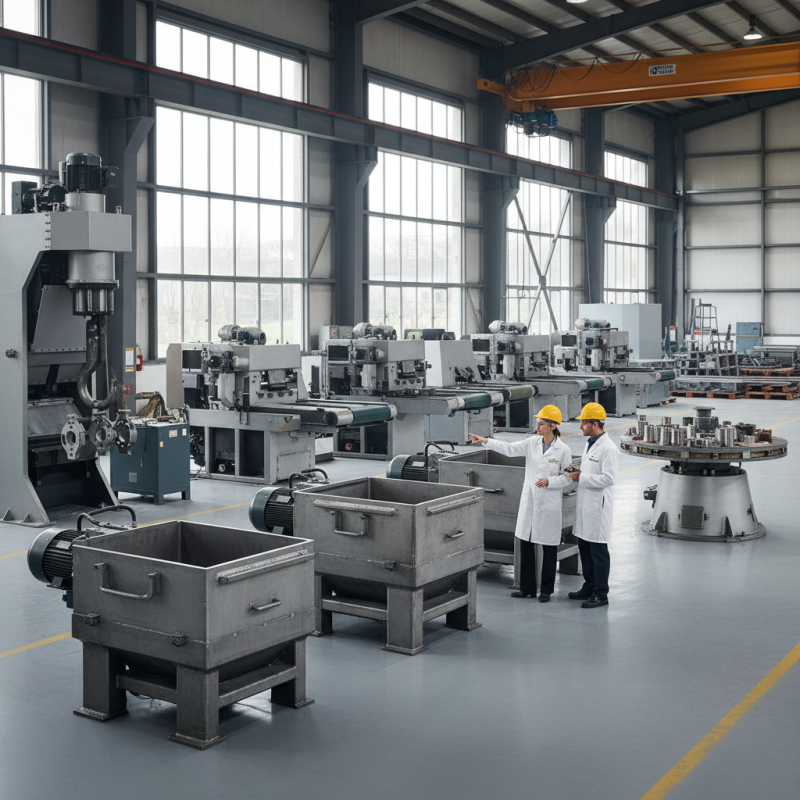
Overview of Wheel Blasting Machines and Their Applications
Wheel blasting machines are essential tools for effective surface preparation. They are widely used in various industries, including automotive, aerospace, and construction. These machines use high-speed wheels to propel abrasive materials onto surfaces, removing contaminants and preparing them for further processing. According to a recent industry report, the global market for wheel blasting machines is projected to grow at a CAGR of 5.2% from 2023 to 2028. This growth highlights the increasing importance of surface treatment in manufacturing.
Different types of wheel blasting machines cater to specific applications. For instance, the horizontal wheel blaster is ideal for large metal components, while batch-type machines are more suited for smaller parts and delicate surfaces. Each type has its strengths and weaknesses. It's crucial to select the right machine based on the material and desired finish. Keep in mind that improper selection can lead to inefficient operations.
Tips: Always assess the surface conditions before blasting. Take note of the material type and surface contaminants. Additionally, regularly maintain the blasting equipment to enhance performance. Failures often occur due to neglect or lack of knowledge about machine capabilities. Ensuring operators are well-trained is vital, as improper use can lead to costly mistakes. Investing in training can pay off in enhanced efficiency and reduced costs.
Top Wheel Blasting Machine Types for Efficient Surface Preparation
| Machine Type |
Media Type |
Applications |
Advantages |
| Centrifugal Wheel Blaster |
Steel Shot |
Cleaning and rust removal on metal surfaces |
High efficiency and uniform surface coverage |
| Spinner Hanger Blaster |
Aluminum Oxide |
Surface preparation for castings and welds |
Versatile for complex shapes and sizes |
| Table Type Blaster |
Glass Beads |
Deburring and finishing of small parts |
Consistent results with minimal media consumption |
| Continuous Pass Blaster |
Synthetic Media |
Mass finishing and cleaning |
High productivity with automated processes |
| Robotic Blasting System |
Crushed Walnut Shells |
Delicate surface treatments on automotive parts |
Precision and repeatability for complex geometries |
Types of Wheel Blasting Machines: An In-Depth Analysis
When it comes to surface preparation, wheel blasting machines are essential. These machines propel abrasive materials to clean and prepare surfaces efficiently. There are several types of wheel blasting machines, each designed for specific applications. For instance, the centrifugal shot blaster is used widely in various industries. Its design allows for maximum efficiency while minimizing abrasive consumption.
Another common type is the inclusive shot blasting machine. This one can handle larger loads, making it ideal for heavy-duty tasks. However, these machines may lack flexibility in terms of processing different shapes and sizes. This limitation often leads to operational challenges. Operators should be mindful of the machine's specifications. They must ensure it fits their production needs.
Additionally, the automated blasting machines offer remarkable efficiency. Yet, they require significant initial investments. Many users face dilemmas deciding between cost and performance. Proper maintenance is vital for all types of machines. Neglecting maintenance can lead to increased downtime and unexpected costs. Each type of wheel blasting machine comes with its own pros and cons, demanding careful consideration.
Key Features to Consider When Choosing a Wheel Blasting Machine
When selecting a wheel blasting machine, several key features come into play. The size of the machine is crucial. A compact model may fit in smaller facilities, while larger units offer more throughput.
Consider the available space and how often you’ll use the machine.
Another important factor is the blasting wheel’s design. Different designs can impact the efficiency of the blasting process. Choose a machine that allows for easy adjustment of speed and intensity.
This flexibility is vital for varying surface preparation needs.
Media type is essential too. Some machines work better with certain materials. This could affect surface finish quality. Experimenting with various options is necessary to find the best fit for your specific application.
Keep in mind that features like maintenance ease also matter. Regular upkeep ensures longer machine life and better performance.
Advantages of Wheel Blasting for Surface Preparation
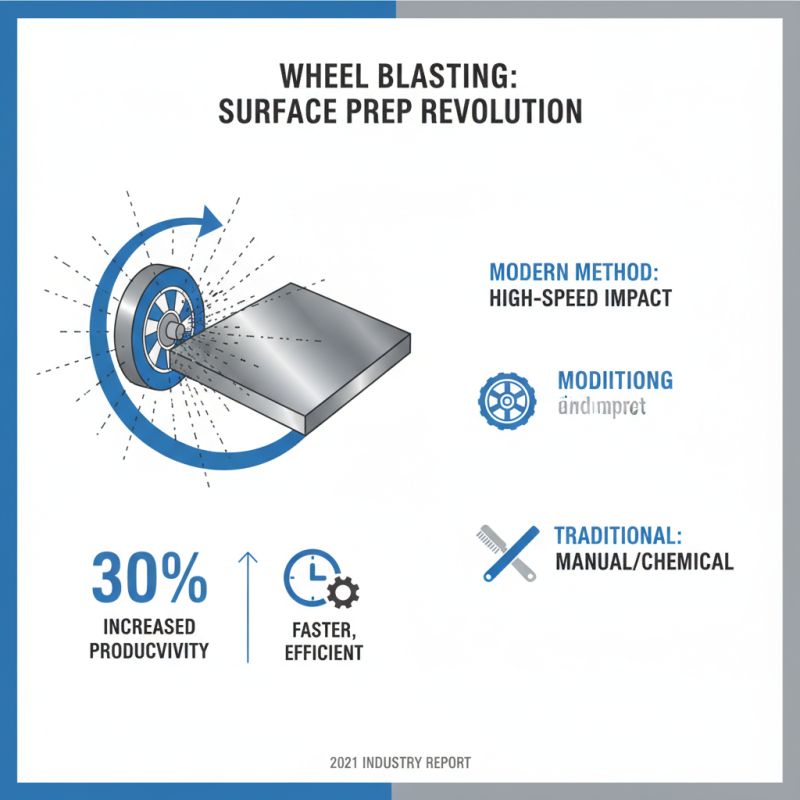
Wheel blasting is gaining traction in surface preparation. This process uses high-speed impact to clean and finish surfaces. According to a 2021 industry report, wheel blasting can increase productivity by 30% compared to traditional methods. Such improvements come from its efficiency and effectiveness.
One major advantage is the ability to handle various materials. Metal, concrete, and even wood can be treated with wheel blasting. The result is a consistently clean surface ready for finishing. This versatility is invaluable across industries. However, it requires careful adjustment of parameters like speed and shot size. Too much speed may cause surface damage, while too little can lead to incomplete cleaning.
Noise and dust generation are downsides. Operators need to wear appropriate protective gear. A recent study noted that 45% of operators reported respiratory issues. It highlights the need for safety measures. Efficient surface preparation must balance productivity and health. The focus should remain on optimizing processes while ensuring worker safety and product quality.
Best Practices for Maintaining Wheel Blasting Equipment
Proper maintenance of wheel blasting equipment is critical for optimal performance. Regular checks can prevent costly downtimes. Studies indicate that around 30% of wheel blasting machine failures stem from inadequate maintenance routines. To avoid this situation, operators should create a schedule for routine inspections.
Inspect components like the turbine, nozzles, and protective covers regularly. A worn turbine can reduce blasting efficiency by up to 15%. Keep the equipment clean. Debris can impede performance. Remember to lubricate moving parts to prevent rust and wear. This simple practice can extend the life of the machine significantly.
Operators must also monitor the abrasive media used in blasting. Quality matters. Reusing worn-out abrasives can compromise the finish. Reports show that using degraded media can lead to an inconsistent surface, affecting product quality. Implementing best practices for maintenance not only enhances efficiency but also ensures safety in the working environment.