Leave Your Message

Why Choose a Plate Blasting Machine for Steel Fabrication?

Steel fabrication demands more than cutting, welding, and shaping. Every plate must also carry a clean, stable surface into the next production stage. Mill scale, rust, dust, and rolling residue can remain tightly attached to steel. They may later weaken coating adhesion or create visible defects beneath paint.

A Plate Blasting Machine addresses this problem with controlled abrasive impact. Steel plates pass through the chamber while turbines project abrasive media across their surfaces. The process can reach broad, even coverage without the inconsistent pressure of manual cleaning. That difference becomes obvious on large bridge plates, ship components, and structural beams. A properly adjusted machine can improve coating preparation, reduce rework, and support a more predictable fabrication schedule.

Industry specialist Martin Keller states, “Surface preparation is not a cosmetic step; it is the foundation of coating performance.” His observation reflects workshop experience. Clean steel helps primers bond. Consistent roughness helps protect that bond.

Still, the machine is not a magic solution. Incorrect abrasive flow may leave untreated edges. Excessive impact can waste media and increase operating costs. Operators must inspect the surface, monitor dust collection, and adjust travel speed carefully. Small details matter.

There is also room for honest reflection. Some fabricators choose equipment by purchase price alone. That choice can look efficient at first. Later, hidden costs appear through maintenance, downtime, and rejected coatings. A reliable Plate Blasting Machine should therefore be evaluated through production volume, plate dimensions, surface standards, energy use, and long-term service support. The best decision is rarely the simplest one.

Why Choose a Plate Blasting Machine for Steel Fabrication?

What Is a Plate Blasting Machine?

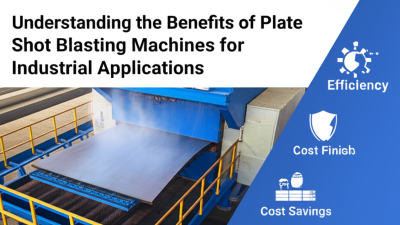
A plate blasting machine is an industrial system that cleans and prepares steel plates before fabrication. It propels abrasive media against the plate surface at controlled speed. The impact removes mill scale, rust, welding residue, and loose contaminants.

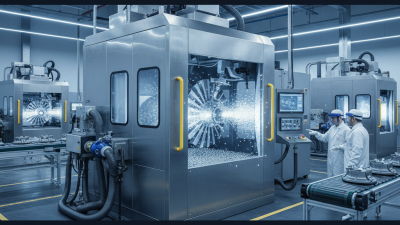
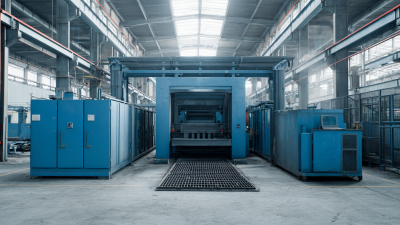
A typical machine includes an enclosed blasting chamber, abrasive turbines, rollers, dust collectors, and protective liners. Steel plates enter on powered rollers. Inside the chamber, rotating wheels direct abrasive particles across the upper and lower surfaces. The cleaned plate then exits with a more consistent profile for painting or further processing. Operators usually adjust travel speed, turbine output, and abrasive flow according to plate thickness and surface condition.

The result is practical. Paint adheres more reliably to a properly prepared surface. Weld inspections can also become easier. However, blasting does not correct warped steel or deep corrosion pits. That limitation is easy to overlook. Abrasive wear, dust control, and uneven exposure still require regular checks. In daily fabrication work, I would inspect the plate edges carefully, because roller contact can leave narrow areas less treated. A clean-looking surface is not always uniformly prepared. Calibration records, media inspection, and safe enclosure maintenance support repeatable results. Machine settings may need adjustment when plate width, steel grade, or surface contamination changes.

How Does Plate Blasting Work in Steel Fabrication?

In steel fabrication, plate blasting removes mill scale, rust, and loose contaminants before cutting or coating. It starts with preparation. Operators check plate thickness, width, and surface condition before loading it onto the conveyor. This matters because heavy scale may require slower travel or stronger blasting exposure.

As the plate moves through the chamber, rotating blast wheels accelerate metal abrasive toward its surface. The abrasive hits the steel from controlled angles and strips away brittle scale. The conveyor speed sets the cleaning time. Larger abrasive particles can remove stubborn deposits, while smaller particles create a more even finish. An extraction system separates dust and spent abrasive from reusable material. Proper airflow keeps visibility clear and reduces contamination inside the chamber.

After blasting, technicians inspect the plate under suitable lighting. They look for remaining scale, uneven color, sharp edges, and possible surface damage. A clean surface is not automatically a suitable painting surface. Surface profile, moisture, and abrasive cleanliness also affect coating performance. Small errors matter. In practice, worn blast wheels can produce uneven results before operators notice them. Plate alignment can also change the cleaning pattern. Regular checks, recorded settings, and realistic production speeds make the process more reliable. The finished plate should feel uniformly clean, not merely bright.

Why Choose a Plate Blasting Machine for Steel Fabrication? — How Does Plate Blasting Work in Steel Fabrication?
Process Dimension How the Plate Blasting Stage Works Typical Industrial Data Effect on Steel Fabrication Recommended Control Point
1. Plate Loading Steel plates are conveyed through the blast cabinet on powered rollers. The plate is positioned so its top and bottom surfaces can be treated consistently. Plate thickness: commonly about 4–100 mm, depending on machine design and fabrication requirements. Creates a continuous, mechanized workflow and reduces manual handling of heavy plates. Confirm plate width, thickness, mass, and flatness are within the equipment’s rated capacity.
2. Abrasive Selection Metallic abrasive, commonly steel shot or a steel shot-and-grit mixture, is propelled toward the plate surface by rotating blast wheels. Abrasive type: recyclable ferrous media selected according to the required cleaning grade, surface profile, and plate condition. Removes mill scale, rust, and loosely bonded surface contamination without using chemical pickling agents. Maintain correct abrasive size distribution and remove broken or excessively fine particles through classification.
3. Blast-Wheel Projection Blast wheels accelerate abrasive particles and direct them at controlled angles onto the moving plate surface. Wheel speed: often approximately 2,000–3,000 rpm, subject to wheel diameter and equipment design. Provides high cleaning productivity and more uniform coverage than localized manual blasting. Check wheel balance, liner condition, abrasive flow, and projection pattern during maintenance inspections.
4. Surface Cleaning Repeated abrasive impacts break and detach mill scale, rust, and surface residues from the steel. Common preparation levels: ISO 8501-1 grades such as Sa 2 or Sa 2½, when specified by the coating system. Produces a clean, coating-ready surface and improves the consistency of downstream painting or protective coating. Verify cleanliness visually against the specified standard and check that no visible scale, rust, or loose residue remains.
5. Surface Profile The impact of abrasive creates a controlled roughness that helps a coating mechanically anchor to the steel. Profile range: commonly about 40–75 µm for many industrial coating systems; the coating specification governs the final value. Supports coating adhesion and helps reduce the risk of premature peeling or under-film corrosion. Measure the profile using an appropriate comparator, replica tape, or electronic surface-profile instrument.
6. Dust Separation Airflow and separators remove dust and fines from the abrasive stream. A dust-collection system extracts airborne particles from the cabinet. System objective: keep the working zone under controlled negative pressure and return usable abrasive to the circulation system. Improves visibility, reduces abrasive consumption, and helps protect workers and nearby equipment from airborne dust. Inspect filters, ducting, seals, and separator settings; manage collected dust according to applicable regulations.
7. Conveyor Speed The plate residence time in the blast cabinet is adjusted through the roller conveyor speed. Typical line speed: approximately 1–6 m/min, depending on plate condition, target cleanliness, and blast-wheel capacity. Balances throughput with cleaning intensity and helps maintain repeatable results across production batches. Use a slower speed for heavy scale or a higher cleanliness requirement; validate settings with test plates.
8. Post-Blast Inspection After blasting, the plate is visually inspected and may be checked for surface profile, residual dust, flash rust, and dimensional condition. Inspection timing: inspect as soon as practical after blasting and before coating, especially in humid conditions. Prevents nonconforming material from entering cutting, welding, or coating operations. Record cleanliness grade, profile, dust condition, ambient conditions, and any rework required.
9. Fabrication Benefits Automated blasting integrates surface preparation into a continuous steel-processing line. Key benefits: repeatable cleaning, high throughput, recyclable abrasive, reduced manual labor, and consistent coating preparation. Improves production consistency and can shorten the time between steel preparation and protective coating. Choose settings based on steel grade, plate condition, coating specification, required cleanliness, and production volume.

Key Benefits of Using Plate Blasting Machines

Plate blasting machines offer practical control when steel fabrication demands clean, repeatable surfaces. The World Steel Association reported 1.89 billion tonnes of crude steel production in 2023. That scale increases pressure on fabricators to process plates consistently, not merely quickly. Automated blasting removes mill scale, rust, and loose contaminants before coating. It can also produce a more uniform anchor profile across wide plates.

Surface preparation remains measurable work. ISO 8501-1 defines visual cleanliness grades, including Sa 2½, while ASTM D4417 provides methods for checking surface profile. A plate blasting machine helps operators approach these specifications with controlled abrasive flow, wheel speed, and conveyor movement. Less manual variation can mean fewer missed edges and fewer coating defects. The effect is visible: clean steel leaves a sharper, more even texture under inspection lighting.

Workplace conditions matter, too. The International Labour Organization continues to identify airborne dust and noise as significant occupational risks in industrial environments. Enclosed blasting chambers can contain abrasive and dust more effectively than open manual blasting. Still, extraction performance depends on maintenance. A clogged filter quietly changes the result. It is not magic. Operators must check abrasive size, nozzle or wheel settings, plate temperature, and profile readings. In real workshops, production targets sometimes encourage rushed inspections. That remains a weakness worth correcting.

Why Choose a Plate Blasting Machine for Steel Fabrication?

Plate blasting machines improve production efficiency by combining continuous abrasive blasting, automated material handling, and repeatable surface preparation. The chart uses a normalized planning index, where manual preparation equals 100 and higher values indicate stronger performance.

Typical engineering benchmark for process comparison only; actual results vary with plate dimensions, steel condition, abrasive type, machine configuration, and production settings.

How Plate Blasting Improves Surface Preparation and Coating

A plate blasting machine gives steel fabricators a controlled way to prepare large plates before cutting, welding, and coating. It removes mill scale, loose rust, and shop dust from broad surfaces. The process can also create a consistent anchor profile for primer adhesion. In practice, operators inspect the plate before blasting because heavy scale may require adjusted settings. Clean steel matters.

A properly prepared surface helps coating spread evenly instead of forming weak pockets. It reduces early peeling, blistering, and corrosion beneath the paint film. After blasting, technicians check surface cleanliness, dust, and roughness with suitable inspection tools. They also control abrasive flow, conveyor speed, and blast intensity. Small changes can affect the final coating result. Too little blasting leaves contamination. Too much may roughen edges or waste abrasive.

The machine supports repeatable production when plates vary in thickness and condition. Enclosed blasting reduces airborne dust compared with uncontrolled manual work, while recovery systems help manage abrasive use. However, blasting is not a magic fix. Oil, moisture, or fresh contamination can still damage adhesion after cleaning. Fabricators should coat the steel within the specified time and protect it from condensation. We still check the surface by hand and by instrument. A missed corner can become a costly repair later.

What to Consider When Choosing a Plate Blasting Machine

Why Choose a Plate Blasting Machine for Steel Fabrication?

What to Consider When Choosing a Plate Blasting Machine

Choosing a plate blasting machine starts with the steel you process every day. Record plate width, length, thickness, weight, and production volume. A machine sized for thin sheets may struggle with heavy beams and irregular loads. Measure the largest practical workpiece, not only the average one.

Blast wheel power affects cleaning speed and surface consistency. More power is not always better. Excessive impact can waste abrasive and create uneven profiles. Ask for test blasting with your actual steel grades. Check whether the machine reaches corners, weld zones, and scale beneath surface rust. The target preparation standard should match your coating system.

A reliable system needs effective abrasive recovery and dust filtration. Inspect the separator design, filter access, and replacement time. Poor recovery increases consumption and leaves metal particles near the conveyor. Conveyor rollers should support heavy plates without marking finished surfaces. Maintenance access matters more than many brochures suggest. A five-minute inspection can become an hour-long shutdown.

I once saw a line selected mainly by hourly capacity. It later struggled with plate alignment and frequent roller cleaning. The specification looked impressive, but the working conditions were overlooked. Consider noise, operator visibility, controls, spare parts, and training. Ask for service records and references from fabricators handling similar materials. The cheapest machine can become expensive when cleaning quality varies between shifts.