2026 Top Sand Blasting Machine Trends for Global Buyers?
The sand blasting machine industry is undergoing significant changes as we head towards 2026. Experts observe that innovation is key to staying competitive. Dr. John Smith, a leading authority in surface treatment technologies, notes, "The future of sand blasting machines lies in efficiency and sustainability." His insights highlight the industry's shift towards eco-friendly practices.
As buyers demand more effective solutions, manufacturers are adapting their designs. Advanced technologies are making sand blasting machines quicker and more efficient. However, not every innovation has been successful. Some new designs have faced criticism for their durability. This prompts a need for constant evaluation within the industry.
The evolution of sand blasting machines reflects a broader trend towards sustainability. Many companies are adopting greener materials and processes. Yet, this transition isn't without challenges. Businesses must balance cost, performance, and environmental impact. The landscape continues to change, making it crucial for buyers to stay informed about these trends.
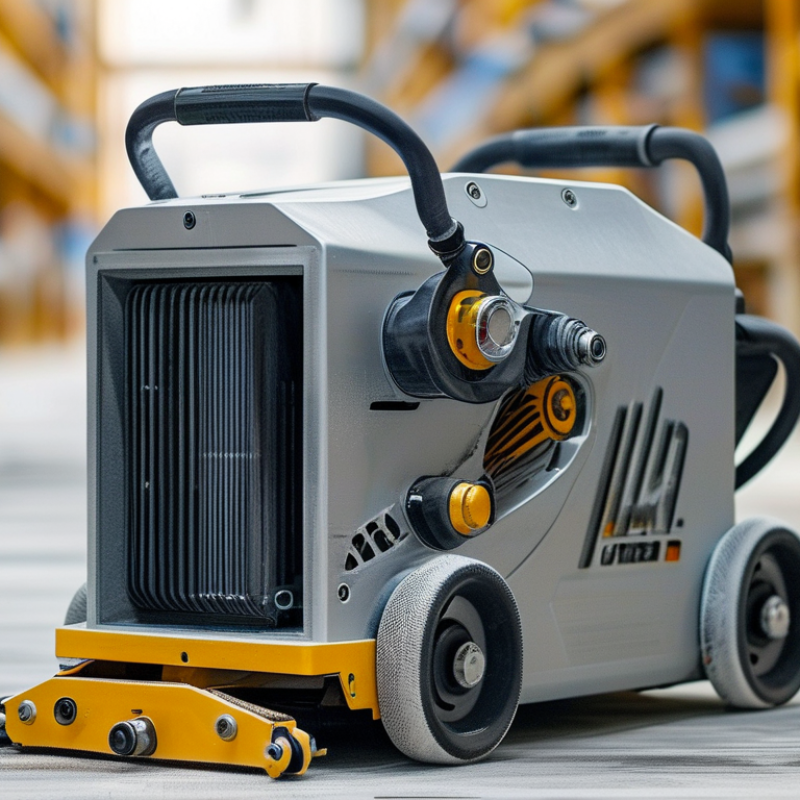
Emerging Technologies in Sand Blasting Machines for 2026
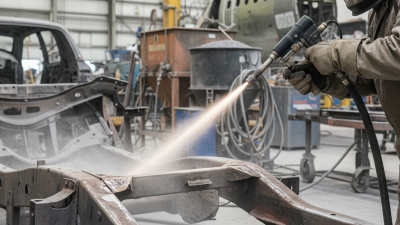
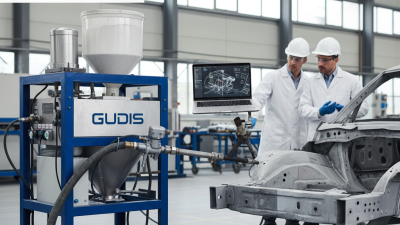
The sand blasting industry is witnessing a wave of innovation in 2026. Emerging technologies are reshaping the landscape of sand blasting machines. One prominent development is the integration of automation. Machines are becoming more automated, which increases efficiency. This shift reduces labor costs and minimizes human error. Automation ensures precision, making the blasting process more consistent.
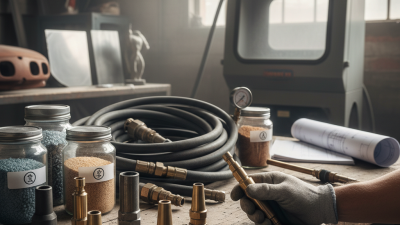
Another significant trend is the use of eco-friendly materials. Traditional blasting materials pose environmental challenges. New alternatives, such as recycled glass and organic abrasives, emerge as viable options. These materials not only minimize waste but also enhance safety for operators. Companies are investing in research to improve these alternatives. The challenge lies in balancing effectiveness with environmental responsibility.
Moreover, advancements in machine diagnostics are on the rise. These systems can predict maintenance needs, reducing downtime. Predictive analytics can guide operators in optimizing performance. However, reliability remains a question. Companies must invest in training to harness these technologies. As the industry evolves, embracing these tools will be crucial for staying competitive.
Sustainability Trends Shaping the Future of Sand Blasting Equipment
Sustainability is becoming a vital focus in the sand blasting equipment sector.
Eco-friendly materials and practices are now prioritized. Companies are increasingly exploring non-toxic abrasives. These innovations reduce environmental impact and enhance worker safety.
Electric sand blasting machines are gaining traction. They consume less energy compared to traditional models. Many manufacturers are exploring energy-efficient designs. However, these advancements may come with higher initial costs. It raises the question of affordability for some buyers.
Another trend is the emphasis on recycling abrasive materials. Reusing materials can lower operational costs and waste production. Although this practice is beneficial, it requires investment in proper systems. This shift towards sustainable practices holds promise but needs careful planning and implementation. Embracing change is crucial.
Market Analysis: Key Players in the Global Sand Blasting Industry
The global sand blasting industry is experiencing significant growth, driven by various applications in sectors such as manufacturing, construction, and automotive. According to a recent market analysis by the Global Sand Blasting Equipment Market Research Report, the industry's value is projected to reach $10 billion by 2026, highlighting the increasing demand for surface preparation technologies.
Key players in the sand blasting market include manufacturers specializing in equipment innovation and technological advancements. Companies focusing on sustainable practices are gaining traction. They emphasize environmentally friendly materials and processes. A report from Research and Markets notes that the Asia-Pacific region is expected to dominate the market, accounting for over 40% of global sales.
**Tip:** Look for suppliers who showcase their commitment to sustainability in their offerings. This can indicate their long-term viability in a competitive landscape.
However, not all players maintain high standards. Some companies may cut corners to reduce costs, impacting safety and quality. Buyers should conduct thorough research before making purchasing decisions. Understanding the strengths and weaknesses of different manufacturers is crucial in this evolving market.
**Tip:** Peer reviews and industry reports can provide valuable insights into a manufacturer's reputation. Don't overlook customer feedback when choosing a supplier.
2026 Top Sand Blasting Machine Trends for Global Buyers
| Category |
Trend |
Impact on Market |
Percentage Growth |
| Automation |
Increased use of automated sand blasting machines |
Enhances efficiency and reduces labor costs |
20% |
| Eco-Friendly Solutions |
Introduction of eco-friendly abrasive materials |
Meets regulations and attracts environmentally conscious buyers |
15% |
| Customization |
Increased demand for customizable sand blasting solutions |
Allows businesses to cater to specific needs |
25% |
| Portable Equipment |
Rise in the use of portable sand blasting machines |
Increases versatility for various projects |
18% |
| Smart Technology |
Integration of smart technology for monitoring and control |
Improves operational efficiency and reduces downtime |
22% |
Innovations in Materials and Designs for Sand Blasting Machines
The sand blasting industry is witnessing remarkable innovations in materials and designs. Engineers are focusing on lightweight yet durable materials to enhance machine efficiency. New composite materials are becoming popular. These materials improve durability while reducing overall weight. Lighter machines increase mobility and can operate in various environments.
Moreover, ergonomic designs are gaining importance. Operators face fatigue from traditional machines. New designs aim to reduce physical strain. This can lead to increased productivity and safety. Some manufacturers are experimenting with user-friendly interfaces. Simplicity may help less experienced workers operate machines more efficiently.
However, not all innovations are flawless. Some new materials may lack long-term reliability. Frequent updates in technology might confuse buyers seeking stability in products. It’s essential for companies to ensure quality alongside innovation. Balancing advanced features with proven reliability presents ongoing challenges. These factors highlight the complexity in the evolving landscape of sand blasting machines.
Regulatory Changes Affecting Sand Blasting Equipment Trends
Regulatory changes are reshaping the sand blasting equipment landscape. Governments worldwide are enforcing stricter regulations to ensure worker safety and environmental protection. These measures directly impact the materials and methods used in sand blasting processes. Buyers must stay informed about these shifts.
Tips for buyers: Research local regulations related to sand blasting. Ensure that the equipment you consider complies with these rules. Staying informed helps avoid potential fines and project delays.
Another area of concern is the sustainability of materials used. Sand blasting operations often involve various abrasives, some of which may be regulated. Buyers should focus on environmentally friendly alternatives. These can lead to safer working conditions and a smaller ecological footprint.
Engage with suppliers about eco-friendly technologies and practices. The transition to sustainable options may present challenges. However, investing time in understanding these options will pay off in the long run. Making informed decisions now can lead to better outcomes in the future.
2026 Top Sand Blasting Machine Trends for Global Buyers