How to Choose the Right Shot Peening Machine for Your Needs?
Choosing the right Shot Peening Machine can be challenging. Many factors influence your decision. Understanding these factors is crucial for optimal results.
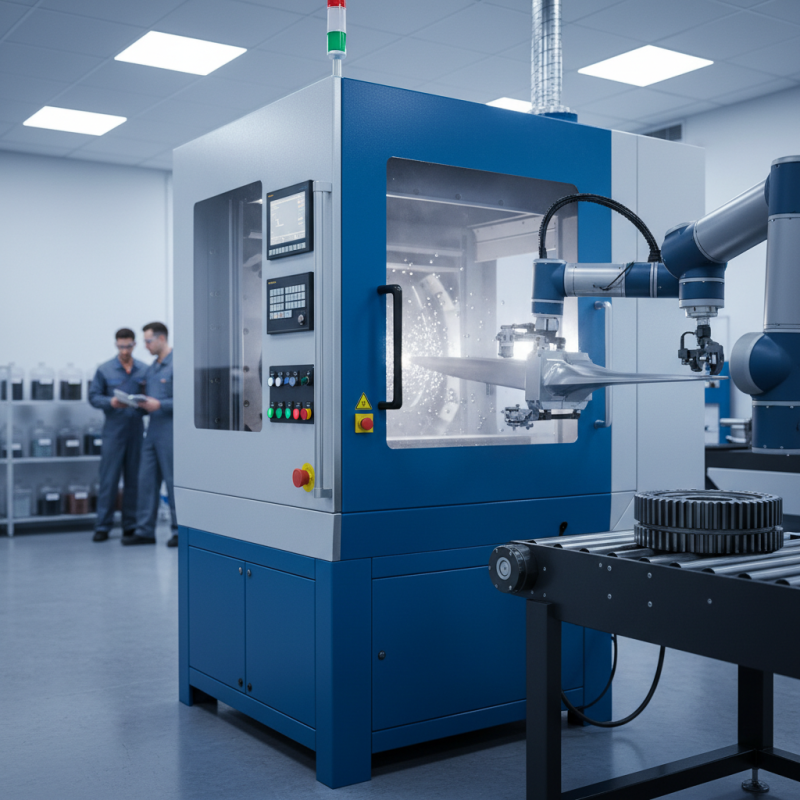
Shot peening enhances material strength. This process is vital in industries like aerospace and automotive. Knowing your specific needs helps you select the most suitable machine. Each machine offers distinct features. Consider the size, type of media, and automation level.
Do not overlook the importance of supplier expertise. A reputable manufacturer can guide you through your choices. They provide valuable insights based on experience. It’s wise to reflect on your long-term needs. A Shot Peening Machine is an investment, not just a purchase. Choose wisely to ensure reliability and performance.
Factors to Consider When Selecting a Shot Peening Machine
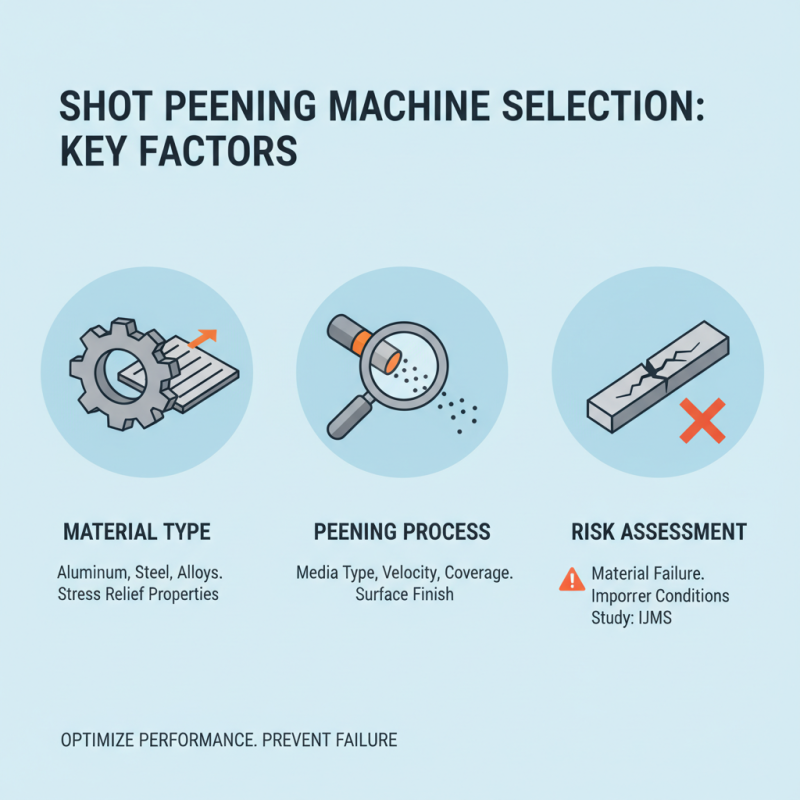
Selecting the right shot peening machine requires careful consideration of several key factors. Understanding the material to be treated is crucial. Different materials react differently to shot peening. For instance, metals such as aluminum and steel exhibit distinct stress relief properties. A study by the International Journal of Materials Science highlighted that improper peening conditions could lead to material failure.
Next, investigate the machine's capacity. This includes size, weight, and throughput. A report by the Society for Experimental Mechanics found that machines with higher throughput can significantly increase productivity. However, larger machines may not be suitable for smaller workshops. Assessing your operational scale helps in making a wise choice. Does it meet the daily production needs without incurring unnecessary costs?
Moreover, consider the technology involved. Advanced machines often come with features like automated controls and real-time monitoring. These ensure consistent results and reduce human error. However, they also require more training and maintenance. A balance between technological advancement and user-friendliness is vital. Regular service might mitigate risks but can also be a hidden expense in your decision-making process.
Types of Shot Peening Machines and Their Applications
When selecting a shot peening machine, it's essential to consider the different types available. Each machine serves specific applications, catering to various industries. For example, rotary machines are ideal for mass production settings, while pressure machines are known for precise shot delivery. Understanding your needs is crucial. Each machine has unique features and benefits.
Tips for choosing wisely: assess the materials you will work with. Different shots create varied surface finishes. Consider machine capacity and how it aligns with your production goals. A machine that operates too slowly can lead to bottlenecks.
Another factor to ponder is maintenance requirements. Some machines need frequent servicing, while others are low-maintenance. Evaluate your operational capabilities to ensure you can keep the machine running efficiently.
Think about available space. Some machines require substantial floor area. A compact machine may fit your space better while still achieving your goals. Ultimately, weighing these factors will guide you to the right decision.
Understanding the Role of Media Size in Shot Peening Effectiveness
Choosing the right shot peening machine is crucial for maximizing performance. One key factor is the media size. The size of the shot directly influences the peening effect and surface integrity. Smaller media can reach tighter spaces, while larger media offers more impact.
If you are uncertain about which media size to use, consider your application's needs. For intricate parts, smaller sizes are often preferable. They reduce the risk of overshot and damage. However, be cautious. Smaller media may require longer exposure times, which could lead to inconsistencies.
Understanding the relationship between media size and effectiveness can greatly enhance results. Test different sizes to see how they impact surface finish and residual stress. Additionally, document your findings. This helps identify trends and make informed decisions. Experimentation is vital for refining your shot peening process.
Evaluating Machine Capacity and Its Impact on Production Efficiency
When choosing a shot peening machine, evaluating its capacity is crucial. The machine's capability directly impacts production efficiency. A machine that lacks sufficient capacity may lead to bottlenecks. These bottlenecks can slow down the entire manufacturing process. Operators often experience frustration due to time wasted. Choosing the right capacity means looking at project specifications and production volume.
Consider the type of materials you will be treating. Different materials require different levels of intensity and duration for effective peening. A higher capacity machine may appear advantageous, but it can also cause issues. Over-processing can lead to material fatigue. This can compromise quality and lead to increased costs in the long run.
A reliable machine should align with your specific production needs. It's important to conduct a thorough analysis before making a decision. Assess your current and future production demands. This foresight can prevent costly mistakes. Reflecting on past project performances can provide insights. What worked well, and what could have been improved? These reflections often lead to better choices in machine selection.
Importance of Compliance with Industry Standards in Shot Peening Equipment
When choosing a shot peening machine, it's crucial to consider compliance with industry standards. Adherence to these standards ensures equipment meets safety and performance guidelines. Non-compliance can lead to equipment failure, product defects, or even workplace accidents. Reliable shot peening equipment must pass rigorous testing to ensure it meets the required specifications.
Tips: Always verify the certifications of the machine. Look for industry-recognized standards like AMS and ISO. This helps you trust the machine’s capabilities.
Another important aspect is maintenance. Regular servicing guarantees the machine operates efficiently. An overlooked part may lead to significant issues. Operators must be trained and aware of safety protocols.
Tips: Schedule routine check-ups and develop a maintenance log. This practice can track performance trends and spot potential problems early.
Understanding the technology behind shot peening can also help in making informed choices. Look for machines that incorporate modern features offering better performance and efficiency. Dated technology may fall short, resulting in a lackluster outcome. Always weigh performance against your operational requirements.