Top H Beam Shot Blasting Machine Manufacturers?
Choosing among the top H Beam Shot Blasting Machine manufacturers requires more than comparing prices or polished brochures. The right supplier should understand steel fabrication, production pressure, and the practical demands of heavy structural sections. A reliable machine must clean H beams evenly, remove mill scale, and maintain stable throughput without damaging edges or weld areas.
Experienced manufacturers usually provide more than a blasting cabinet. Their systems may include roller conveyors, automatic shot recovery, dust collection, abrasive separation, and adjustable turbine settings. These details matter on a busy production line. A well-designed machine should leave a consistent surface, even when beam sizes and steel thicknesses change. Ask for measurable data, such as cleaning grades, production capacity, turbine power, and energy consumption. Factory videos help, but verified customer references are stronger evidence.
No machine fits every workshop. That point is often overlooked. A compact fabricator may value simple controls and accessible maintenance, while a large mill may need automation, remote monitoring, and continuous operation. Manufacturer reputation also depends on installation support, spare-parts availability, operator training, and response time after delivery. These factors can decide whether a promising system performs well six months later.
Specifications still need careful checking. Marketing claims are not always comparable. Independent testing, clear warranty terms, and a documented acceptance process improve confidence. The following overview examines leading H Beam Shot Blasting Machine manufacturers through practical performance, engineering capability, service reliability, and long-term value. Some conclusions may remain imperfect, because real results depend on beam design, abrasive condition, factory layout, and operator discipline.
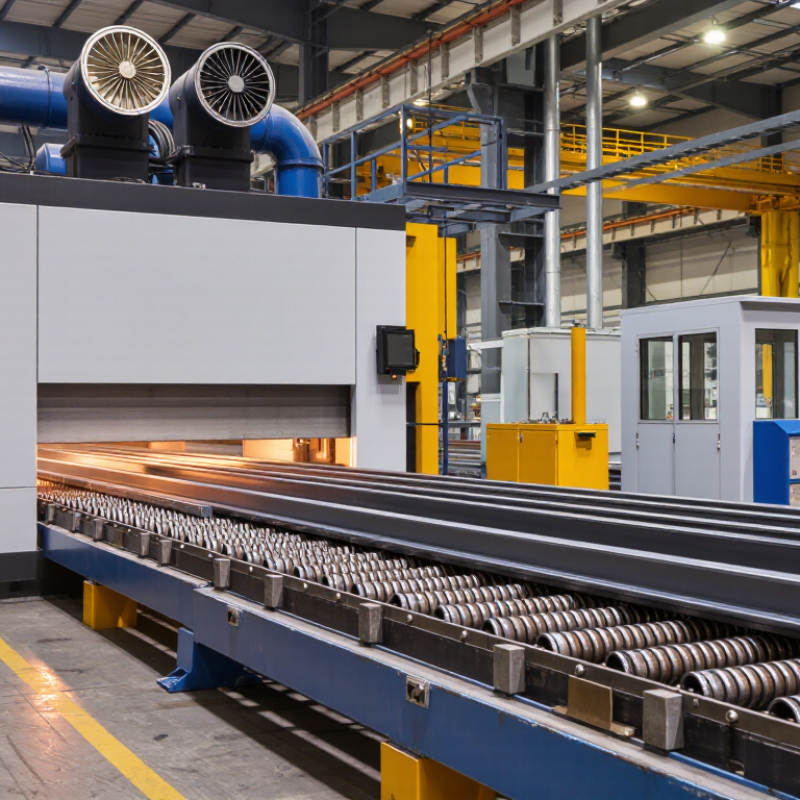
H Beam Shot Blasting Machines: Definition, Purpose, and Core Functions
H beam shot blasting machines are industrial systems designed to clean and prepare structural steel beams. Their enclosed chamber directs abrasive steel shots against the beam surface. This process removes mill scale, rust, welding residue, and loose contaminants. An H beam passes through the machine on powered rollers. Its open profile allows several surfaces to receive treatment during one controlled cycle.
The core functions include automatic conveying, abrasive circulation, surface impact, dust extraction, and shot recovery. High-speed blast wheels create a consistent cleaning pattern. Wear-resistant liners protect the chamber from repeated impacts. Sensors monitor beam movement and reduce collision risks.
A practical operator checks wheel wear, roller alignment, and dust filters every shift. Small oversights can create uneven surfaces.
Manufacturers should provide verified cleaning grades, production capacity, and realistic maintenance data. Experienced suppliers can explain abrasive consumption under actual beam sizes. They should also demonstrate test results using comparable steel sections. However, catalog figures may not reflect workshop conditions. Humidity, beam length, weld shape, and shot quality can change performance. A factory visit or sample test often reveals more than a polished specification sheet. A reliable machine should be serviceable, measurable, and safe for routine production.
How H Beam Shot Blasting Machines Work Step by Step
How H Beam Shot Blasting Machines Work Step by Step
A reliable H beam shot blasting machine begins with careful loading. Operators place the beam on powered rollers and check its flange width, length, and surface condition. Proper alignment matters. If the beam enters unevenly, abrasive coverage can become inconsistent. Sensors guide the workpiece through the chamber while the control panel sets travel speed and blasting time.
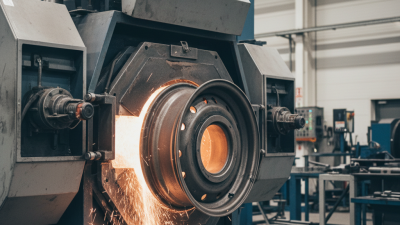
Inside the chamber, turbine wheels accelerate steel shot toward the beam. The abrasive strikes the flanges, web, edges, and weld areas from several directions. This impact removes mill scale, loose rust, and welding residue. The beam rotates or moves steadily, depending on the machine design. Dust collectors draw away fine particles, while protective liners reduce chamber wear. Experienced operators listen for unusual vibration. Small changes can reveal blocked nozzles, worn blades, or unstable rollers.
After blasting, the shot falls into a recovery system. Screens separate reusable abrasive from dust and larger debris. A conveyor returns clean shot to the storage hopper. The beam then passes through brushes or air jets, removing remaining particles. Inspectors usually check the surface under suitable lighting before coating. In practice, results are not always perfect. Heavy weld spatter may need manual treatment, and excessive blasting can roughen edges. A dependable manufacturer should provide clear maintenance instructions, realistic capacity data, operator training, and accessible technical support. Performance claims deserve verification through trial testing.
Key Criteria for Evaluating H Beam Shot Blasting Machine Manufacturers
Choosing a top H beam shot blasting machine manufacturer requires more than comparing catalog prices. Start with proven experience in structural steel production. Ask how many years the manufacturer has served this sector. Request photos, test reports, and installation records from similar projects.
A reliable supplier should explain abrasive flow, wheel speed, beam dimensions, and dust control clearly. Look for measurable cleaning results, not broad promises. The manufacturer should show surface preparation grades and production capacity under realistic conditions.
Precision matters here. Poorly positioned blast wheels can leave scale near flanges, corners, and weld seams. During a factory visit, inspect weld quality, chamber lining, conveyor alignment, and maintenance access. Small details reveal engineering discipline. Ask to speak with users processing beams similar to yours.
Technical authority also appears in customization. Controls should record operating data, alarm history, and abrasive consumption. Electrical drawings, spare-parts lists, and training plans should be available before purchase. Check service response times in writing. A strong warranty helps, but it cannot replace practical support.
Be careful with impressive output numbers. They may describe ideal conditions, not heavy beams with uneven surfaces. Field evaluations often reveal operators adjusting settings manually. That detail deserves attention. Compare actual beam sizes, surface grades, shift hours, and maintenance skills.
Request a live trial, then measure cleaning coverage, dust leakage, and cycle time. No checklist is perfect. A trustworthy manufacturer will admit limitations and document corrective actions.
Comparison of Leading H Beam Shot Blasting Machine Manufacturers
Comparing leading H beam shot blasting machine manufacturers requires more than reading catalog speeds. Real performance appears during daily production. A reliable machine should process different beam sizes without frequent manual adjustments. Inspectors should check blasting coverage, conveyor stability, dust control, and abrasive recovery. That difference matters.
Experienced manufacturers usually provide clear layout drawings, test reports, spare-parts lists, and installation guidance. Their machines may use multiple blast wheels to reach flanges, webs, and edges evenly. Wheel placement is critical. Poor angles can leave shadowed areas near corners. Ask whether the manufacturer offers sample testing with your actual steel profiles. A video is useful, but a measured test is better.
Service quality also separates strong manufacturers from ordinary suppliers. Response time, remote diagnostics, operator training, and local technical support affect long-term costs. Ask about motor efficiency, wear-resistant liners, filter maintenance, and shot recycling rates. No supplier is perfect. Some published capacity figures assume ideal steel surfaces and continuous feeding. I would question any comparison that ignores loading delays, abrasive consumption, or cleaning time. Small gaps matter. A practical evaluation should include delivered surface quality, maintenance hours, workplace noise, and the total cost of ownership over several years.
Top H Beam Shot Blasting Machine Manufacturers? — Comparison of Leading H Beam Shot Blasting Machine Manufacturers
This anonymous industry benchmark compares typical H-beam shot blasting machine configurations by maximum beam section capacity. The figures reflect commonly published specification ranges for compact, standard, and heavy-duty equipment rather than individual company claims.
Larger section capacity generally requires a wider blast chamber, stronger roller conveyors, and higher total blast-wheel power. When comparing suppliers, buyers should also verify blast-wheel arrangement, abrasive recycling efficiency, surface preparation grade, conveyor load, and production throughput.
Selecting the Right Manufacturer for Your Production Requirements
Selecting the right H beam shot blasting machine manufacturer requires more than comparing purchase prices. World Steel Association data reported about 1.89 billion tonnes of crude steel production in 2023. That scale reflects constant demand for reliable surface preparation. Your manufacturer must understand beam dimensions, line speed, steel grade, and coating requirements.
Ask for measurable production evidence. Request verified throughput in tonnes per hour, abrasive consumption, dust-collection performance, and shot coverage records. A suitable supplier should provide test results using beams similar to yours. Check chamber dimensions carefully. A narrow opening may create repeated handling and hidden labor costs. It happens more often than expected.
Energy use deserves closer attention. The U.S. Department of Energy reports that compressed air can represent 10% to 30% of industrial electricity consumption. Wheel-blast systems may reduce this burden, depending on your layout and process. Review motor ratings, conveyor design, maintenance access, and spare-parts availability. ISO 12100-based risk assessments should support safer equipment decisions. ISO 9001 certification can indicate controlled processes, but it does not prove blasting quality. Visit an operating installation if possible. Photos are not enough. A practical evaluation should include surface cleanliness, profile consistency, noise, dust leakage, and operator access. I would also keep a small contingency budget. Real production rarely matches the brochure.