Leave Your Message

Top Plate Blasting Machine Manufacturers Worldwide?

Choosing among the top Plate Blasting Machine manufacturers worldwide requires more than comparing prices or catalog photographs. Steel service centers, shipyards, and fabrication plants need equipment that performs consistently under demanding production conditions. A reliable machine should remove mill scale, rust, and surface contaminants while maintaining a controlled finish across large plates.

This guide examines manufacturers through practical criteria. These include blasting capacity, abrasive circulation, chamber design, roller durability, dust collection, automation, and after-sales support. Energy use also matters. A well-designed system can reduce abrasive waste and limit unnecessary maintenance. Real operating details often reveal more than polished marketing language.

Look for proven installations, documented testing, and responsive technical teams. Ask about plate thickness ranges, line speed, spare parts, operator training, and warranty terms. A factory visit can show whether the equipment handles uneven plates, heavy workloads, and changing production schedules. Small details matter.

No ranking is perfect.

Performance depends on material quality, maintenance discipline, and local service access. Some manufacturers publish limited technical data, making direct comparisons difficult. Therefore, this overview combines available evidence with practical industry considerations. It aims to help buyers form a balanced shortlist and ask better questions before investing in a Plate Blasting Machine. The strongest choice is not always the largest supplier. It is the manufacturer whose engineering, support, and documented results match your actual production needs.

Top Plate Blasting Machine Manufacturers Worldwide?

What Is a Plate Blasting Machine and How Does It Work?

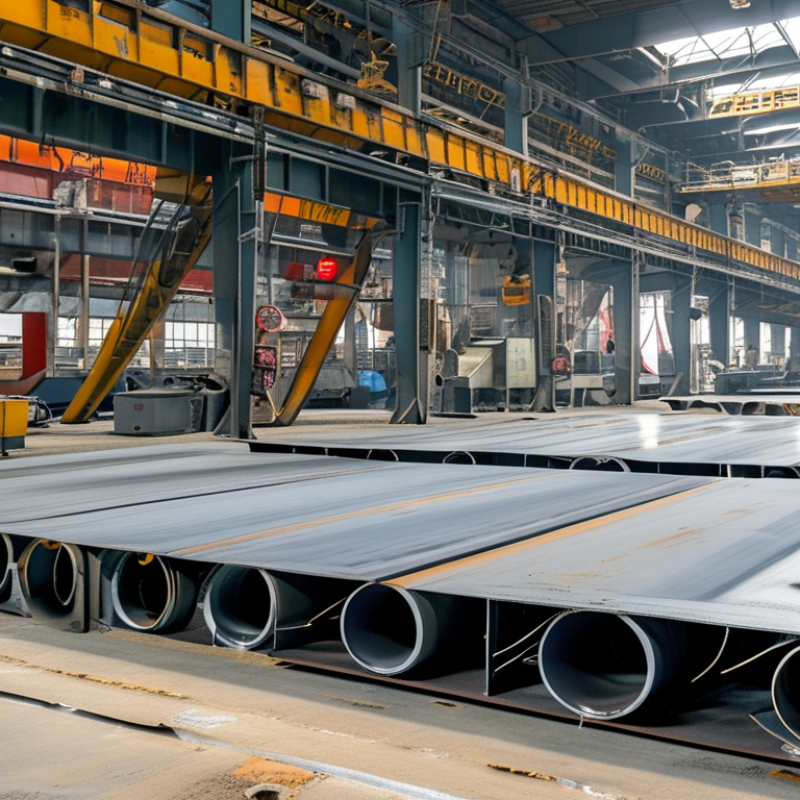
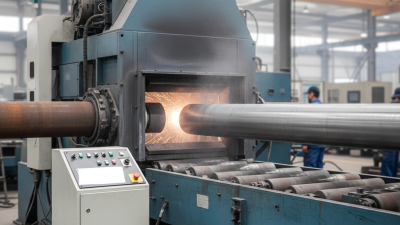
A plate blasting machine cleans and prepares steel plates before fabrication, coating, or welding. It removes mill scale, rust, and surface residue through controlled abrasive impact. The plate moves horizontally through an enclosed chamber on powered rollers. Turbine wheels then throw steel shot at high speed from several angles. The abrasive strikes the surface, breaks contamination, and returns to a recycling system.

Airflow separates dust and broken particles from reusable shot. A dust collector protects visibility and supports safer operation. Modern machines usually adjust conveyor speed, turbine output, and abrasive flow. These settings determine the cleaning grade and surface profile. ISO 8501-1 remains a key reference for visually assessing prepared steel surfaces. A deeper profile may improve coating adhesion, but excessive blasting can waste energy and damage thin material.

MarketsandMarkets estimated the global abrasive blasting equipment market at more than USD 10 billion in 2024, with continued growth expected through the decade. That figure covers several equipment types, not plate machines alone. Still, it reflects strong demand for automated surface preparation. In practical workshops, performance depends on shot size, plate thickness, moisture, and maintenance. Small changes matter. A worn turbine may create uneven cleaning, even when the machine appears normal. Operators should inspect dust filters, roller alignment, and abrasive condition daily. Specifications can mislead. Real throughput often falls when plates arrive oily, warped, or heavily scaled.

Key Features and Applications of Plate Blasting Equipment

Top Plate Blasting Machine Manufacturers Worldwide?

Plate blasting equipment prepares steel plates before painting, welding, or protective coating. Its main features include adjustable blast wheels, enclosed chambers, abrasive recovery, dust filtration, and automatic plate transport. These systems remove mill scale, rust, and surface contaminants while creating a controlled anchor profile.

Precision matters here. World Steel Association reported global crude steel production of about 1.89 billion tonnes in 2023. Even a small surface-treatment error can affect thousands of fabricated plates. Engineers should check blast width, wheel speed, conveyor stability, and abrasive flow. A strong dust collector also protects visibility and coating quality. Small details matter.

The equipment serves shipyards, bridge fabrication, wind-tower production, storage tanks, and heavy construction. The International Energy Agency states that iron and steel production creates around 7% to 9% of global energy-related carbon emissions. Better abrasive recovery and efficient wheel motors can reduce waste and operating energy, although results depend on maintenance and plate thickness. No machine is perfect. Poorly aligned rollers may leave uneven cleaning bands, a problem that is easy to miss under bright workshop lighting. Surface preparation should therefore be verified through visual standards, roughness checks, and coating adhesion tests. Reports provide useful benchmarks, but real performance still depends on trained operators and disciplined inspection.

How to Evaluate Plate Blasting Machine Manufacturers

Top Plate Blasting Machine Manufacturers Worldwide?

How to Evaluate Plate Blasting Machine Manufacturers

A serious evaluation starts with measurable performance, not attractive brochures. The World Steel Association reported global crude steel production of about 1.89 billion tonnes in 2023. That scale creates constant demand for reliable plate preparation equipment. Ask each manufacturer for tested throughput, plate thickness ranges, abrasive consumption, and dust-control results. Request data from a machine processing steel similar to yours. Laboratory figures may look impressive but fail on a busy production line.

Inspect engineering evidence and field experience. Check weld quality, chamber wear materials, turbine balancing, filter capacity, and access for maintenance. A credible supplier should provide factory acceptance tests, spare-parts response times, operator training, and documented safety procedures. ISO 8501-1 defines visual cleanliness grades, including Sa 2½, so acceptance tests should use clear surface standards. The International Energy Agency has repeatedly identified steel production as a major industrial energy consumer. Therefore, compare motor efficiency, abrasive recovery, and compressed-air demand, not only purchase price. I would also question unusually low energy claims; they may exclude conveyors or dust collectors.

Tips: Compare three complete quotations. Measure total ownership cost over five years. Visit an operating installation if possible. Record surface profile, line speed, and filter pressure during testing. Do not accept “maintenance-free” language without service records. One evaluation mistake is trusting a perfect demonstration. Real plates contain scale, moisture, and uneven edges. A short trial with your own material often reveals more than a polished presentation.

Top Plate Blasting Machine Manufacturers Worldwide? - How to Evaluate Plate Blasting Machine Manufacturers

Evaluation Dimension What to Evaluate Typical Technical Reference or Benchmark Documents or Evidence to Request Importance
Machine Configuration Confirm that the equipment is designed for steel plates, fabricated sections, or both. Pass-through roller conveyor systems are commonly used for continuous plate processing; combined shot-blasting and painting lines are available for higher-throughput production. General arrangement drawing, process-flow diagram, and application list for comparable plate dimensions. High
Workpiece Size Range Check maximum plate width, thickness, length, and permissible workpiece weight. Commercial systems are configured in different sizes; many standard designs accommodate plate widths from approximately 1,000 to 4,000 mm, while larger custom lines are possible. Written dimensional limits, load calculations, roller spacing, and sample-workpiece approval. High
Surface Preparation Standard Determine the required cleanliness and surface profile after blasting. Common requirements include ISO 8501-1 grades Sa 2, Sa 2½, or Sa 3. The selected abrasive and operating conditions affect the resulting surface profile. Reference panels, inspection procedure, surface-profile target, and test results from representative material. High
Blast Wheel Design Evaluate wheel arrangement, throwing angle, abrasive flow, wear resistance, and service accessibility. Multiple wheels are normally positioned to cover the upper and lower surfaces of the plate. Wear components should be replaceable without excessive dismantling. Wheel layout, motor rating, abrasive-flow adjustment method, wear-part drawings, and maintenance instructions. High
Throughput and Cycle Time Compare rated production speed with the actual plate mix, surface condition, and required cleanliness grade. Typical conveyor speeds vary by plate condition and target finish; published capacity should be verified using a production test rather than a maximum no-load speed. Guaranteed throughput, speed range, test protocol, and production-rate calculation based on actual plate dimensions. High
Abrasive Recovery and Separation Review screw conveyors, bucket elevators, air-wash separators, hoppers, and abrasive recycling efficiency. An effective system separates reusable abrasive from dust, scale, and fines to control abrasive consumption and maintain stable blasting performance. Material-flow diagram, separator specification, abrasive-consumption estimate, and access plan for cleanout points. High
Dust Collection Assess airflow, filtration method, dust-discharge arrangement, noise level, and local regulatory compliance. Cartridge or bag-filter collectors are widely used. Required airflow depends on chamber size, leakage control, abrasive type, and local emission requirements. Airflow calculation, filter-area data, emission specification, fan curve, and dust-disposal method. High
Roller Conveyor Performance Verify load capacity, traction, alignment, speed control, and protection of rollers from abrasive impact. Rollers exposed to the blast stream normally require replaceable wear protection or shielded sections. Variable-speed drives improve process control. Load chart, roller material specification, drive-system details, alignment tolerances, and spare-parts list. High
Chamber and Wear Protection Inspect the construction material, replaceable liners, impact zones, and expected service life of wear components. Blast chambers commonly use abrasion-resistant liners in high-impact areas. Design quality is reflected in liner coverage and replacement accessibility. Liner material certificates, thickness specification, wear-life assumptions, and replacement procedure. High
Automation and Controls Evaluate PLC architecture, operator interface, recipe management, alarms, data logging, and remote diagnostics. A modern line should provide adjustable conveyor speed, interlocked access doors, overload protection, emergency stops, and clear fault reporting. Control philosophy, I/O list, electrical schematic, software backup policy, and acceptance-test checklist. Medium–High
Energy Consumption Compare installed electrical power, dust-collector demand, compressed-air use, and expected energy per processed tonne. Blast-wheel motors and dust extraction are usually the principal electrical loads. Actual consumption depends on production speed, abrasive type, and operating schedule. Connected-load schedule, estimated operating load, utility requirements, and energy-measurement method. Medium–High
Safety Compliance Check guarding, access interlocks, emergency stops, lockout provisions, rotating-equipment protection, and risk assessment. The machine should be supplied with documented risk controls and electrical and mechanical safety measures applicable to the installation country. Risk assessment, declaration of conformity where applicable, safety-circuit drawings, and commissioning test records. Critical
Quality Management Assess design control, welding quality, inspection procedures, traceability, and handling of nonconformities. A documented quality system, controlled fabrication procedures, and inspection records reduce the risk of dimensional and operational defects. Quality certificate, inspection and test plan, welding records, material certificates, and factory-acceptance procedure. High
Installation and Commissioning Review foundation requirements, utility connections, assembly scope, alignment work, training, and start-up support. Large plate-blasting lines typically require detailed civil, electrical, ventilation, and material-handling coordination before delivery. Foundation drawings, installation schedule, utility matrix, commissioning plan, and operator-training agenda. High
After-Sales Service Evaluate technical response time, local service capability, spare-parts availability, and preventive-maintenance support. Critical wear parts should have identified part numbers, recommended stock levels, and clear replacement intervals. Service-level agreement, spare-parts catalogue, support contacts, maintenance schedule, and reference-user feedback. High
Total Cost of Ownership Compare purchase price with installation, abrasive use, wear parts, energy, labor, downtime, and maintenance costs. The lowest initial quotation is not necessarily the lowest-cost option; lifecycle cost should be assessed over the planned operating period. Five-year or ten-year operating-cost model, warranty terms, consumables forecast, and downtime assumptions. Critical
Acceptance Testing Confirm how cleaning grade, throughput, safety functions, noise, dust performance, and documentation will be tested. Factory and site acceptance tests should use representative plates and measurable pass/fail criteria agreed before contract signing. FAT/SAT protocol, inspection instruments, sample requirements, performance guarantees, and corrective-action procedure. Critical
Recommended evaluation method: assign each dimension a score from 1 to 5, multiply it by the project-specific importance weight, and require documentary evidence before comparing quotations. Technical performance, safety, lifecycle cost, and service capability should be evaluated together rather than by purchase price alone.

Leading Plate Blasting Machine Manufacturers by Region

Leading Plate Blasting Machine Manufacturers by Region

Plate blasting machine manufacturing follows regional steel demand, automation levels, and export capacity. The World Steel Association’s World Steel in Figures 2024 reports nearly 1.9 billion tonnes of crude steel production in 2023. Asia accounted for roughly 72% of output. Therefore, East Asian manufacturers often lead in high-throughput machines, wider chambers, and integrated shot recovery systems. Their equipment suits shipyards, bridge plants, and heavy plate mills.

European manufacturers focus more on precision engineering and energy control. Their machines commonly include variable-speed turbines, enclosed dust filtration, and software for traceable maintenance. North American suppliers often emphasize rugged construction and retrofit flexibility. This matters for older fabrication lines. The Middle East and India are expanding local capacity, supported by infrastructure and steel investment. According to the International Energy Agency’s Energy Technology Perspectives, industrial efficiency remains central to reducing energy intensity. That pressure is changing blasting-machine specifications.

Tips: Compare cleaning speed, plate thickness range, abrasive consumption, and filter performance. Ask for test results using your actual steel grade. A polished brochure is not operating evidence. Check spare-part access near the installation site. Also inspect noise and dust controls during a factory visit. Some buyers overvalue turbine power. That can be a mistake. Line balance, maintenance access, and operator training often decide real productivity. Regional leadership changes quickly, so verify recent installations and independent service records before choosing a manufacturer.

Top Plate Blasting Machine Manufacturers Worldwide

Leading Plate Blasting Machine Manufacturing Regions by Industrial Steel Output

Regional crude steel production is used as a transparent indicator of potential demand for plate blasting and surface-preparation equipment. Asia and Oceania represent the largest industrial base, followed by the European Union and North America. The chart compares regions rather than individual companies or brands.

Source: World Steel Association, regional crude steel production data, 2023. Values are shown in million tonnes.

Global Trends in Plate Blasting Technology and Selection Criteria

Global Trends in Plate Blasting Technology and Selection Criteria

Plate blasting technology is moving toward higher automation, cleaner operation, and better process control. Modern systems use multiple blast wheels, adjustable roller speeds, and sensors that monitor plate position. These features help remove mill scale, rust, and welding residue more evenly. However, automation does not eliminate operator judgment. Surface conditions can vary across one steel plate.

Energy efficiency is also becoming a major selection factor worldwide. Efficient blast wheels, variable-frequency drives, and improved abrasive recovery can reduce operating costs. Dust collection systems now receive closer attention because poor airflow may leave visible residue around the machine. Digital monitoring can record wheel current, abrasive flow, and maintenance intervals. These records support reliable production decisions, but inaccurate sensors can still create false confidence.

Tips: Compare actual test results, not only catalog figures. Ask manufacturers to process your plate grades, thicknesses, and target cleanliness levels. Check roller load capacity, chamber wear protection, spare-part availability, and technician response time. Review local safety and environmental requirements before installation. A compact machine may save floor space, yet restricted access can make maintenance frustrating. No machine is perfect. Leave room for practical inspection, because real factory conditions often expose weaknesses that brochures do not mention.