

Continuous Hook Type Shot Blasting Machine Drives Automation Upgrade in Heavy Industry Manufacturing
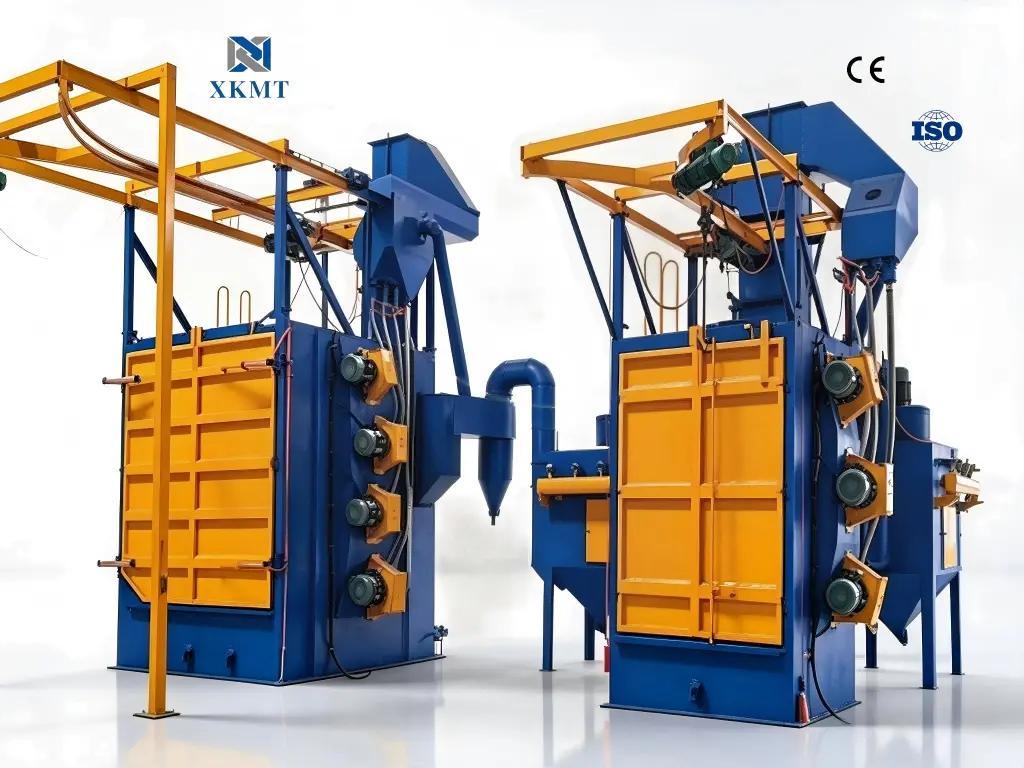
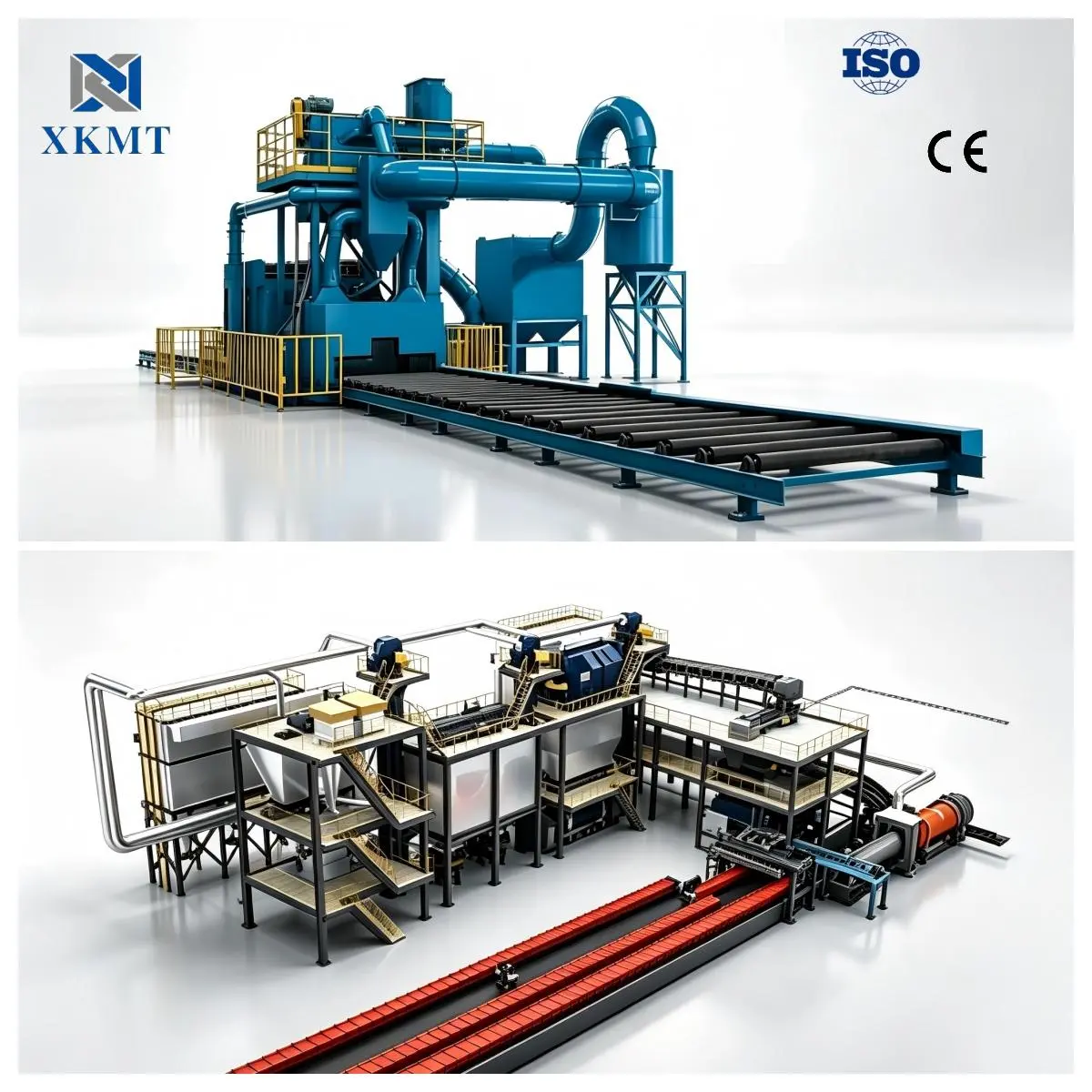
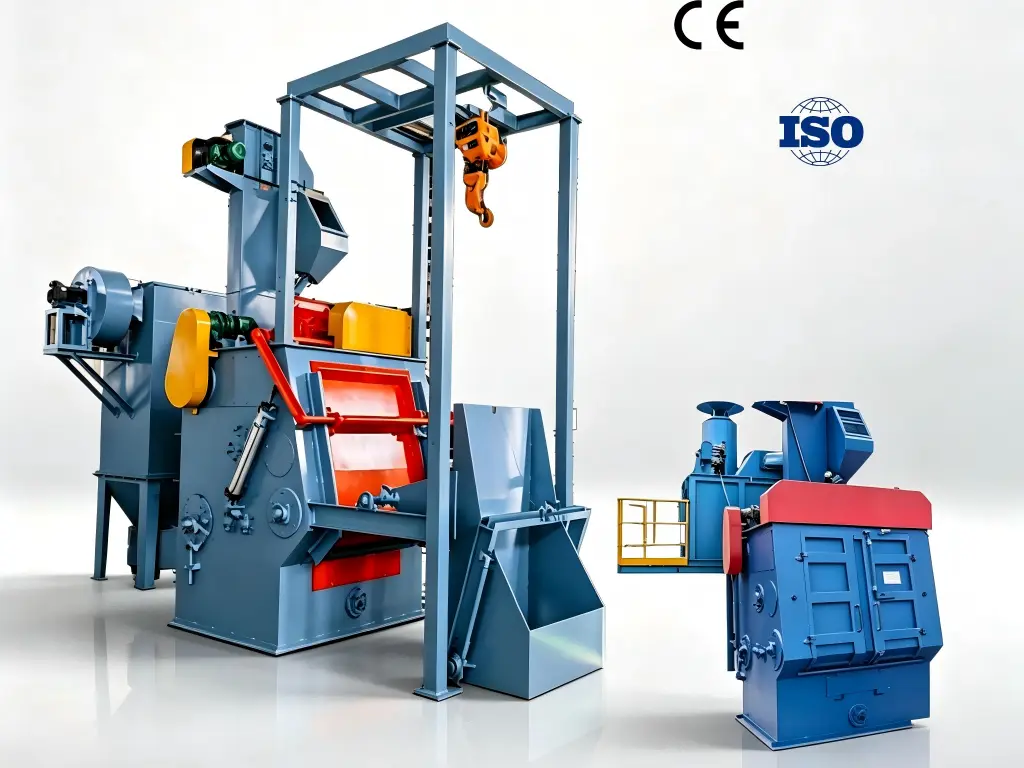
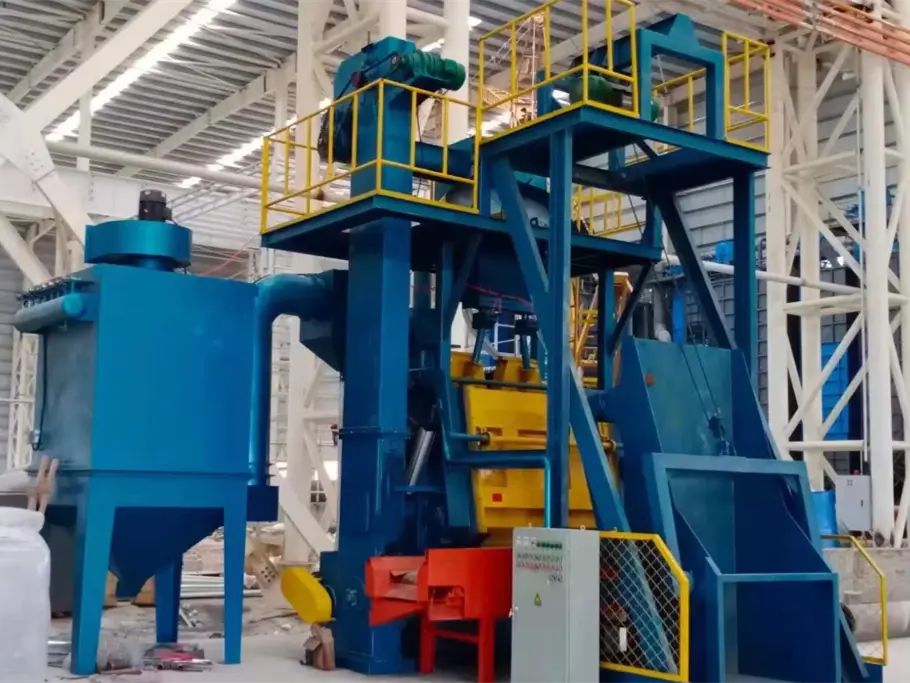
Heavy‑industry and foundry businesses are pushing for higher throughput and better part quality these days. Old‑style standalone shot‑blast machines, which have to pause for loading and unloading, often hold back overall output. The latest continuous Hook Type Shot Blasting Machine changes this situation. Powered by flexible overhead rail systems, it keeps workpieces moving through the blast chamber and is gradually phasing out intermittent single‑unit cleaning workflows.
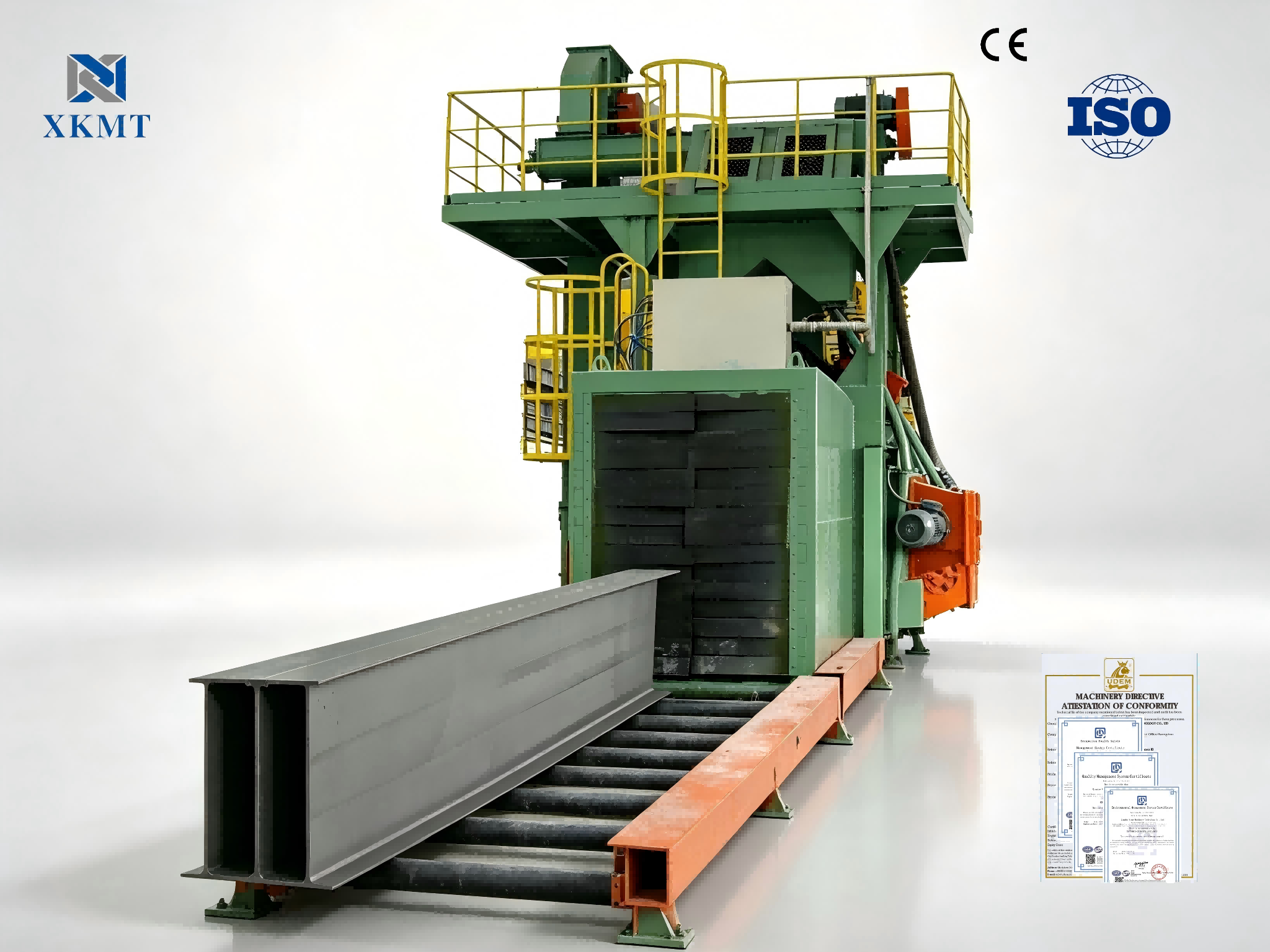
Castings, steel‑structure components and other parts hang from the conveyor chain and travel steadily into the blasting cabinet. Multiple blast wheels are angled strategically. As parts travel through, they spin and revolve, so even complicated geometries get full coverage, with hard‑to‑reach corners thoroughly cleaned. Fitted with PLC controls and variable‑speed drives, the unit delivers stable blasting and sand‑removal results while cutting down heavy manual work, ideal for heavy‑equipment and automotive‑component manufacturers.
1.Flexible Multi‑Rail Layout to Fix High‑Volume Production Pain Points
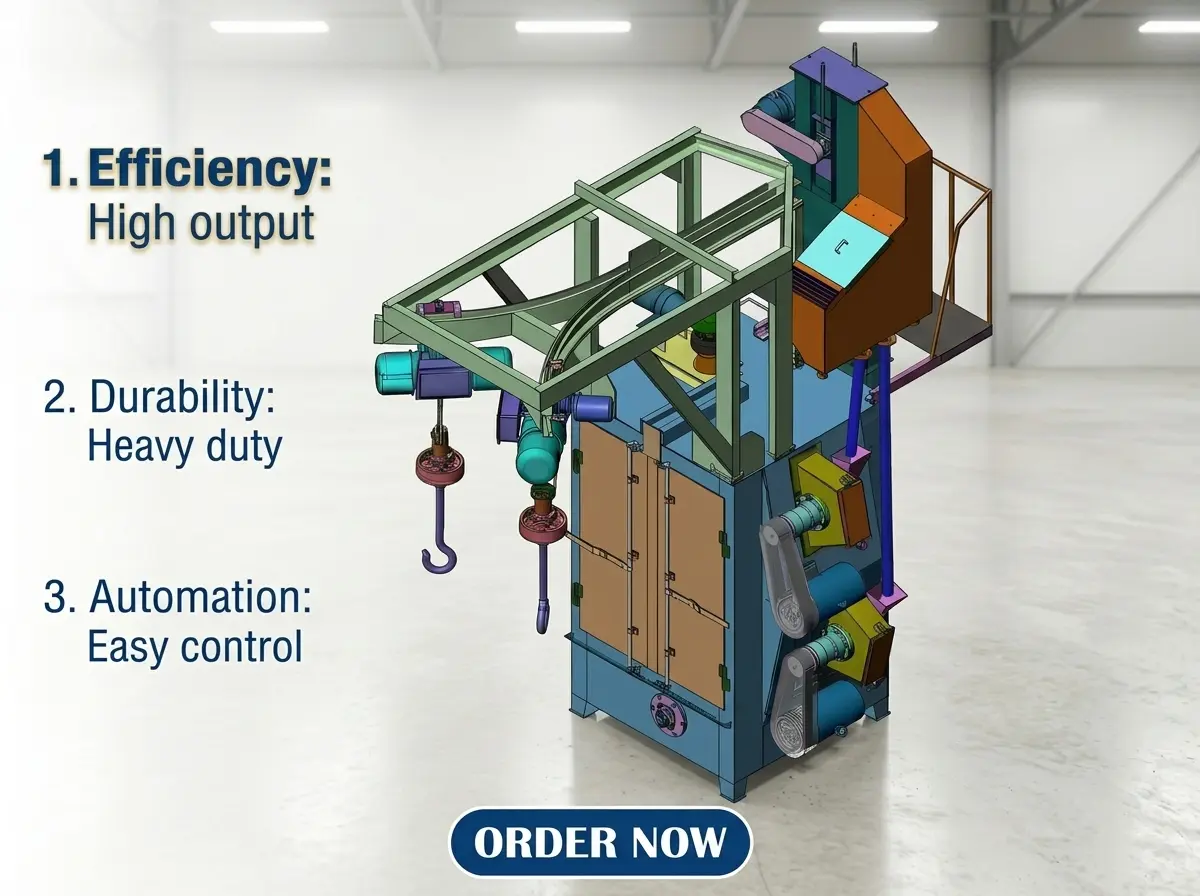
In large foundry and heavy‑fabrication shops, traditional shot‑blast equipment wastes plenty of production time on part handling and idle waiting, turning surface treatment into a bottleneck. Continuous hanger‑type machines adopt single‑rail, double‑rail or power‑free overhead conveyors. Blasting and part loading‑unloading can run side‑by‑side at the same time.
Power‑free rails can divert and merge workpieces following different process routes. While blasting runs inside the cabinet, staff can hang or take off parts on the outer station. This closed‑loop continuous workflow slashes non‑productive time and fits smoothly into full‑auto production lines. Hook spacing and conveyor speed can be adjusted on‑the‑fly for parts of varied sizes and weights, making round‑the‑clock continuous production achievable.
2.Reliable Centrifugal Blasting for Consistent Cleaning Quality
Good cleaning performance starts with well‑engineered blast assemblies. This new‑generation machine uses high‑output, high‑speed centrifugal blast wheels. Engineers set wheel positions and blast‑coverage zones with 3D dynamic simulation. Inside the cabinet, hanging hooks rotate 360 degrees, ensuring cavities, corners and complex curved surfaces get evenly struck by steel shot.
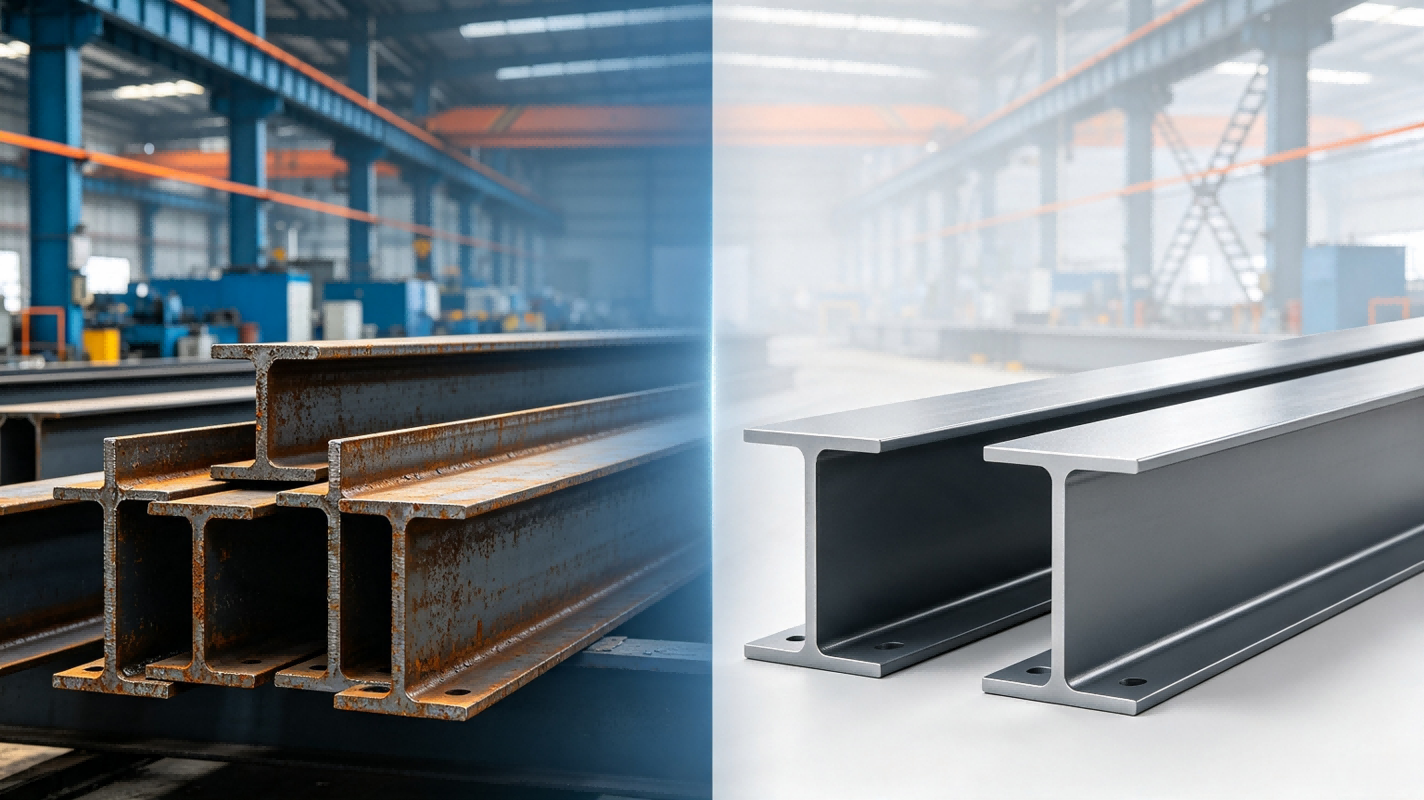
The blast chamber is lined with heavy‑duty alloy wear plates. Multi‑layer labyrinth seals and flexible rubber curtains stop shot spillage and dust leaks, extending equipment service life. Finished workpieces achieve steady Sa2.5‑Sa3.0 cleanliness, creating perfect surface conditions for later painting, anti‑corrosion treatment or machining work.
3.Abrasive Recycling & Dust Control for Greener Production
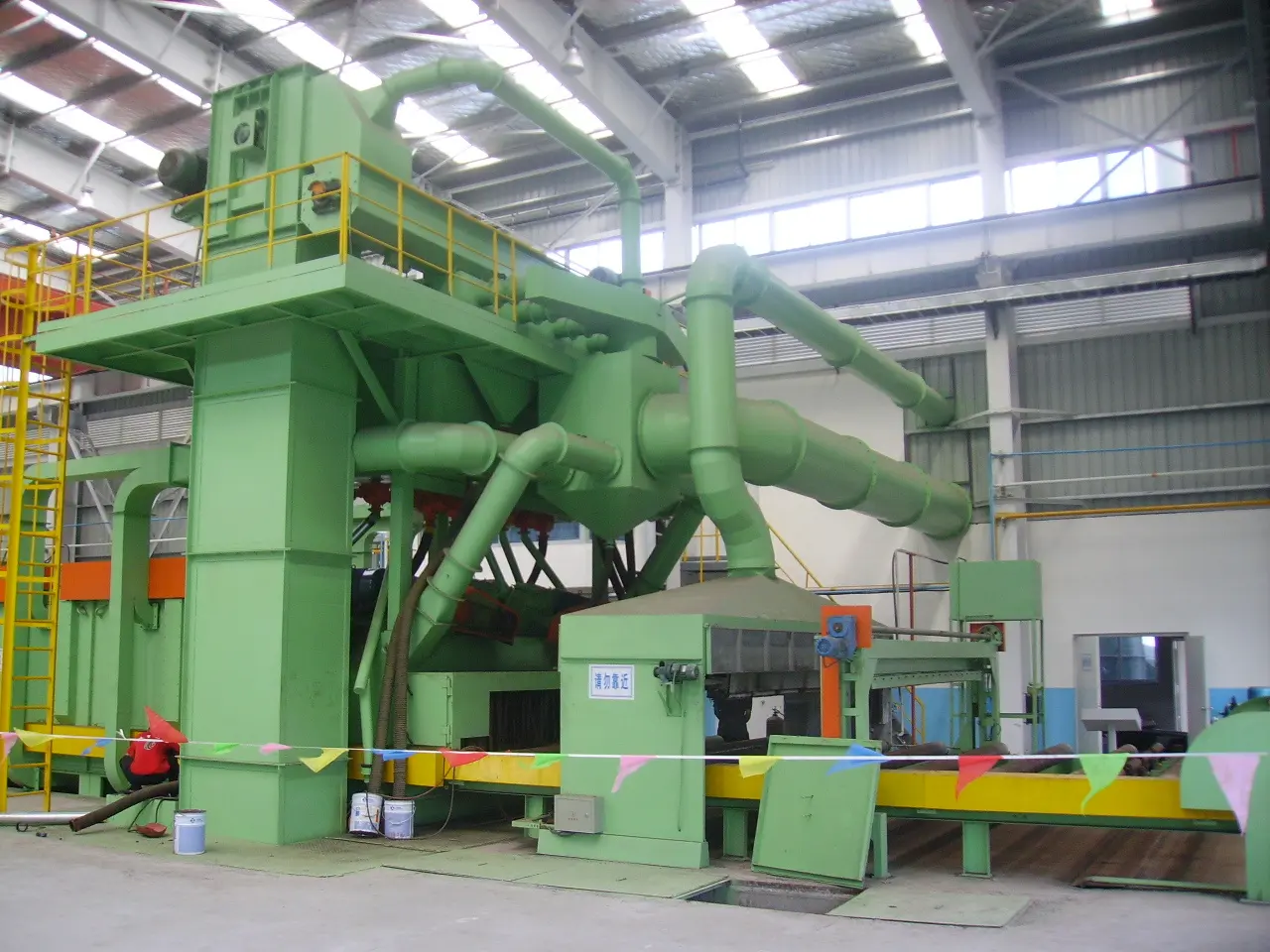
Built around low‑carbon manufacturing concepts, the machine comes with complete shot recycling and dust‑handling packages. Mixtures of used shot, sand and dust are moved by screw conveyors and bucket elevators up to top‑mounted separators. Through combined air classification and screening, reusable shot gets circulated back into operation, while broken grit and impurities are filtered out, lowering your consumable costs.
A high‑flow pulse cartridge dust collector traps airborne dust with pulse‑jet cleaning. Emissions comply with domestic and international environmental rules. It improves workshop conditions, protects operator health and helps companies pass environmental audits without hassle.
4.Smart Control Supports Intelligent Heavy‑Duty Manufacturing
At its core sits a PLC‑based control system, complete with touch‑screen operation and remote monitoring functions. Operators can pull up pre‑saved process settings with one click, matching blasting duration, rotating speed and blast‑wheel power to different workpiece material, thickness and surface conditions.
Real time monitoring tracks motor load, blast‑wheel wear, rail operation and dust‑collector pressure. When something goes wrong, the system pops up maintenance reminders and practical troubleshooting advice, helping you avoid unexpected shutdowns. This blend of automation and digital tools brings surface‑treatment processes toward greater accuracy, visibility and intelligence.