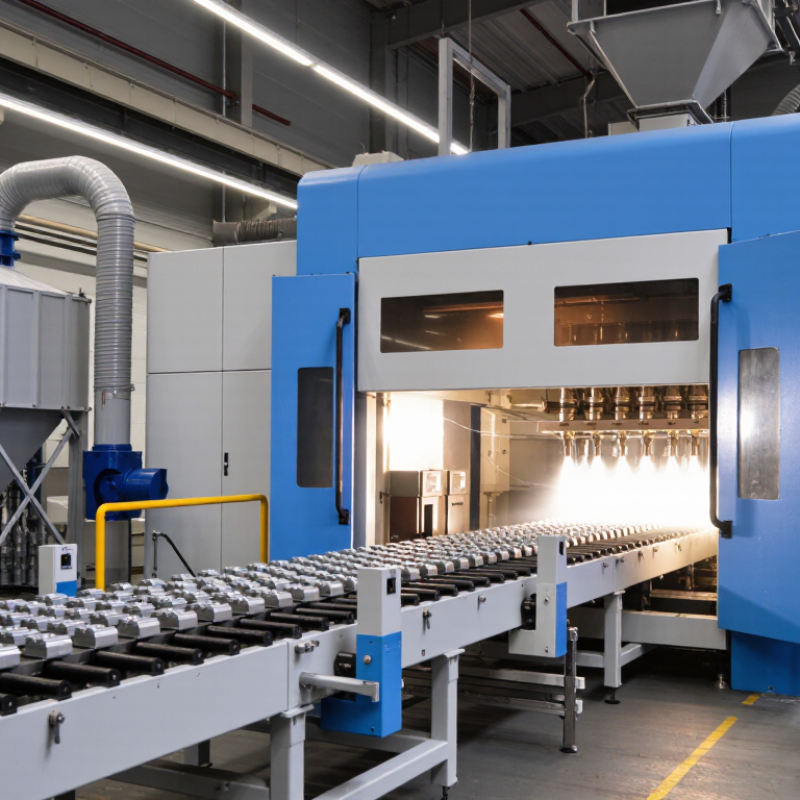
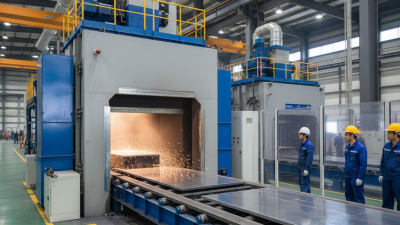
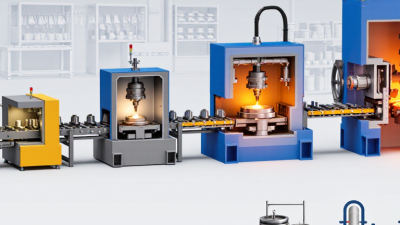
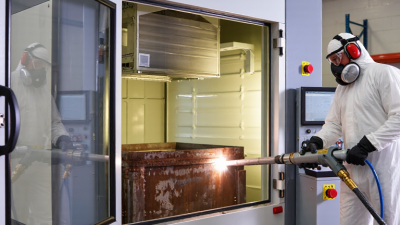
Choosing an Automatic Blasting Machine in 2026 requires more than comparing catalog prices. In real workshops, performance depends on the workpiece, abrasive, surface finish, and production rhythm. A compact cabinet may suit small batches, while a continuous system may better support repeated components. The difference becomes clear on the factory floor. Watch the loading area, conveyor movement, and dust collector during a full shift. Measure cycle time, abrasive use, noise, and operator access. Record everything.
Technical confidence should come from evidence, not impressive brochures. Ask suppliers for test results using materials similar to yours. Check nozzle or wheel life, filter replacement intervals, control-system access, and recovery efficiency. A reliable Automatic Blasting Machine should provide stable coverage without damaging edges or sensitive surfaces. Safety guarding, emergency stops, ventilation, and maintenance access also deserve close inspection. These features protect people and support consistent production.
Small details matter.
For 2026 planning, consider programmable recipes, condition monitoring, energy consumption, and service availability. Digital controls can improve repeatability, but they cannot correct poor media selection or weak process discipline. I would not pretend that one machine fits every workshop. Even a technically advanced model may disappoint when the layout is restrictive or spare parts arrive slowly. Compare total operating cost over several years, not only the purchase invoice. Speak with current users, inspect completed parts, and challenge every performance claim. The best decision combines measured trials, experienced engineering judgment, and a realistic understanding of your team’s daily work.
Choosing an automatic blasting machine starts with the workpiece, not the machine catalogue. Record its length, width, height, weight, and handling points. Note whether it is a flat plate, casting, tube, frame, or delicate assembly. Complex shapes may need multiple blast angles. Thin edges can deform under excessive impact.
Define the existing surface clearly. Is it covered with mill scale, rust, old coating, sand, or machining residue? Check the material hardness and identify areas that must remain protected. Then specify the required finish, such as cleaning level, visual appearance, or surface profile. A profile gauge can verify the result after testing. Appearance alone can mislead.
Blasting requirements should include production quantity, cycle time, media type, recovery needs, dust control, and operator involvement. Match the chamber size to the largest regular workpiece, with room for safe rotation. Ask for a trial using representative parts. Measure coverage on corners, welds, recesses, and exposed faces. This reveals problems that a smooth test panel hides. I have seen equipment selected for speed, then adjusted down because thin parts warped. That mistake costs time. Leave room for process changes, because real workpieces rarely behave perfectly. Keep records of nozzle settings, conveyor speed, media condition, and inspection results. Reliable selection depends on repeatable evidence, not impressive specifications.
Choosing an automatic blasting machine starts with comparing its type and operating method. Batch machines suit small or mixed workpieces. They load several parts into a chamber, blast them, and unload them together. This method is flexible, but cycle changes can reduce output. Continuous conveyor machines work better for stable production. Parts move through fixed blasting zones at a controlled speed. They offer consistent coverage, although irregular shapes may need extra nozzles or repositioning.
Tumbling machines are practical for small, durable parts. Their rotating drum exposes different surfaces without manual handling. Cabinet machines suit larger or delicate components, especially when programmed nozzles improve accuracy. Wheel-blast systems deliver strong, even energy for robust metal parts. Compressed-air systems provide better control around corners and recessed areas. In real factory trials, I would check surface coverage, abrasive recovery, dust filtration, and loading time. A machine can look efficient on paper, yet waste time during changeovers. That detail is easy to miss.
Tips: Match the machine to part geometry, material, and daily volume. Test a real workpiece before purchasing. Measure cycle time, abrasive use, noise, and cleaning effort. Check door interlocks, emergency stops, inspection windows, and filter access. Keep records of nozzle wear and surface results. Do not judge performance from appearance alone. A slightly slower machine may produce fewer rejects and lower maintenance costs. Mistakes happen. Leave room for adjustment.
How to Choose an Automatic Blasting Machine in 2026?
Choosing an automatic blasting machine starts with production reality, not brochure speed. Measure your daily parts, dimensions, material types, and required surface finish. A machine rated for 1,000 parts daily may struggle with irregular loading. Leave capacity headroom, usually 15 to 25 percent, for seasonal demand and process variation.
Automation level directly affects labor, consistency, and downtime. Check whether loading, blasting, abrasive recovery, dust filtration, inspection, and unloading work as one controlled sequence. Ask for cycle-time records from parts similar to yours. A faster cycle is not always better. Excessive speed can create uneven coverage, higher abrasive use, or premature wear. During factory evaluations, I watch operator movements carefully. Small delays often disappear from official specifications.
Tips: Request a live trial with your actual parts. Record loading time, blasting time, cleaning time, and stoppages. Check alarm records and maintenance access. Ask how quickly settings can change between product sizes. Simple controls usually help, but excessive manual adjustment weakens consistency. Do not ignore noise, dust visibility, or access around the chamber. These details affect daily productivity. One overlooked issue is cooling time after continuous operation. It may reduce real output. Recheck the figures.
| Machine Configuration | Typical Workpiece | Typical Capacity | Automation Level | Loading and Unloading | Typical Cycle Time | Production Efficiency | Best-Fit Application |
|---|---|---|---|---|---|---|---|
| Automatic Tumblast Machine | Small castings, forgings, fasteners, and bulk components | 40–250 kg per batch | Programmable batch operation with automatic blast, tumble, and discharge sequences | Manual or hopper-fed loading; automatic discharge by belt or vibration conveyor | 4–12 minutes | High for bulk parts with similar size and shape; generally 300–1,500 kg/h | Foundries and forging lines processing repetitive small-to-medium parts |
| Continuous Belt-Type Blasting Machine | Parts that can be conveyed continuously without delicate positioning | 500–3,000 kg/h | Continuous automatic feeding, blasting, separation, and discharge | Integrated conveyor, hopper, or upstream production-line transfer | Continuous flow | Very high throughput and low labor input when part flow is stable | High-volume production with consistent part geometry |
| Automatic Spinner-Hanger Machine | Castings, fabricated parts, and components requiring controlled exposure | 100–800 kg per load | Automatic door, hanger rotation, blast sequence, and indexing control | Manual loading or robotic loading onto fixed or rotating hangers | 6–20 minutes | High surface coverage and repeatability; throughput depends on hanger arrangement | Mixed production where part orientation and surface access are important |
| Automatic Roller Conveyor Machine | Large plates, structural parts, profiles, and fabricated steel sections | 1–20 tonnes/h | Automatic conveyor speed, blast-zone control, dust collection, and recipe management | Crane, roller table, or production-line transfer | Continuous flow | High for long and flat workpieces; efficiency is affected by part width and surface condition | Steel preparation, fabrication, shipbuilding, and heavy-structure production |
| Automatic Rotary-Table Machine | Medium-sized castings and machined components requiring repeatable positioning | 4–24 parts per cycle | Automatic indexing, door operation, blast timing, and recipe selection | Manual loading, pick-and-place robot, or multi-station transfer | 5–15 minutes | High repeatability with efficient treatment of defined part families | Medium-volume production with stable workpiece dimensions |
| Robotic Blasting Cell | Complex, large, or high-value parts with variable surface profiles | 1–8 parts per cycle | Advanced robot path control, vision or fixture integration, and digital recipes | Robot, conveyor, or operator-assisted fixture loading | 8–30 minutes | High process consistency and low direct labor; throughput depends on robot path length | Complex geometries, frequent product changeovers, and traceable finishing processes |
| Automatic Drum or Barrel Machine | Small, durable parts that tolerate tumbling and repeated contact | 50–300 kg per batch | Automatic drum rotation, blasting, separation, and discharge control | Hopper loading with automatic or assisted discharge | 5–15 minutes | Good bulk-processing efficiency; not suitable for fragile or easily tangled parts | High-volume small components requiring economical batch treatment |
| Multi-Chamber Transfer Machine | Parts requiring multiple blasting recipes or sequential surface treatments | 100–1,000 kg per cycle | Fully automatic transfer, chamber selection, recipe control, and process monitoring | Automatic shuttle, conveyor, or robotic transfer | 10–35 minutes | High flexibility and reduced handling between operations; higher initial complexity | Multi-product factories needing repeatable processes and minimal manual handling |

Choosing an automatic blasting machine in 2026 requires more than checking cycle time. Start with abrasive compatibility. Steel grit, glass bead, ceramic media, and mineral abrasives produce different impact profiles and dust levels. Match the media hardness to the workpiece, nozzle, recovery system, and required surface profile. A test panel should come before purchase. It reveals edge rounding, uneven coverage, and media breakdown that brochures often ignore.
Safety systems deserve closer inspection. OSHA’s Respirable Crystalline Silica standard sets an 8-hour exposure limit of 50 micrograms per cubic meter. CDC/NIOSH reports identify abrasive blasting as a significant source of airborne dust and inhalation risk. Choose sealed chambers, door interlocks, emergency stops, pressure monitoring, and a fail-safe deadman control.
Ask for measured noise data, not vague claims. Small leaks around doors can undermine an otherwise strong enclosure. That detail is easy to miss.
Environmental controls must handle dust at the source. Check airflow, filter efficiency, automatic pulse cleaning, waste collection, and discharge monitoring. The U.S. EPA’s National Emissions Inventory shows how industrial particulate emissions remain a major reporting concern.
A machine with poor media separation may consume more abrasive and increase disposal volume. Request factory test records, maintenance intervals, and filter-life assumptions. I would also inspect the recovery path personally. A polished cabinet can still hide accumulation behind panels. No selection is perfect. Real production trials may expose weaknesses that specifications conceal.
The purchase price rarely shows the real cost of an automatic blasting machine. Calculate electricity, abrasive media, labor, dust collection, filters, spare parts, and installation. Look beyond purchase price. A machine that costs less may consume more media and require frequent manual adjustments. Request measured data for power use, cycle time, media recovery, and compressed-air demand. These figures create a more reliable ownership estimate than sales claims alone.
Maintenance needs should match your workshop conditions. Inspect access doors, wear plates, nozzles, seals, conveyors, and filter housings. Downtime is expensive. Ask how quickly technicians can replace common wear parts and whether maintenance records are available. A practical trial should run your actual components, not only clean demonstration samples. My early estimates were too optimistic when I ignored dust-filter loading during heavy production. That mistake changed the expected payback period.
Long-term value depends on stable results, safe operation, and useful service life. Compare the machine’s expected output with your daily production schedule, including breaks and cleaning time. Calculate annual cost per finished part, not only hourly capacity. Keep records. Review rejected parts, abrasive consumption, energy bills, and unplanned stoppages every month. If a machine saves labor but creates inconsistent surface preparation, its value is questionable. Choose equipment that allows controlled settings, clear inspections, and documented maintenance procedures. Reliable performance usually matters more than impressive maximum speed.