| Workpiece Handling |
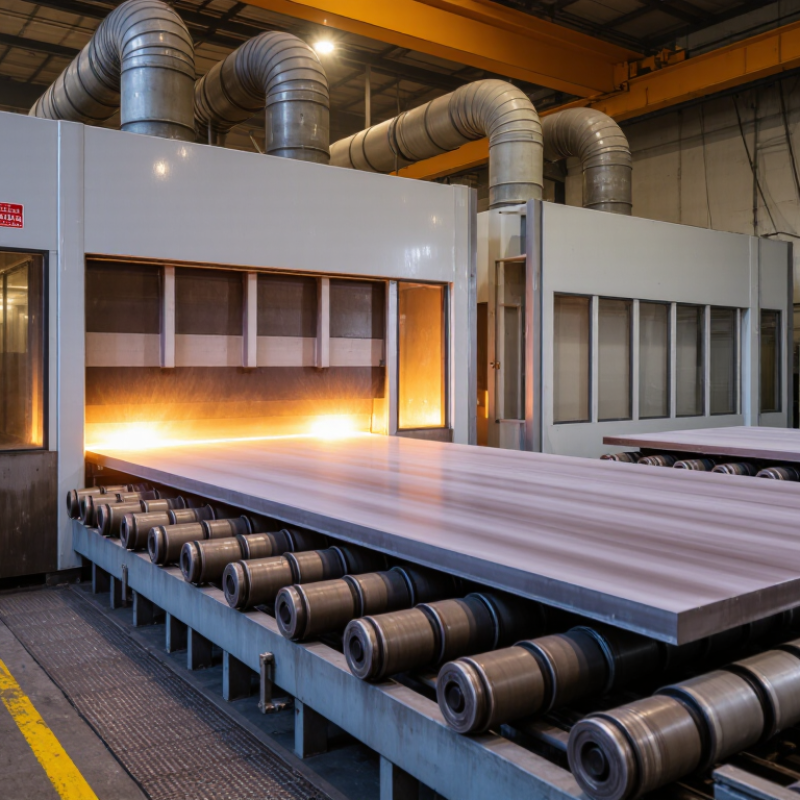
Steel plates are commonly conveyed at approximately 0.5–3.0 m/min, depending on plate size, contamination and required cleanliness. |
Powered rollers move the plate continuously through the blast chamber at a controlled speed. |
Continuous conveying supports stable production and more consistent surface treatment than manual handling. |
| Abrasive Projection |
Steel shot is often accelerated to roughly 70–85 m/s by centrifugal blast wheels. |
A rotating wheel receives metallic abrasive and propels it onto the upper and lower surfaces of the moving plate. |
High-velocity impact removes mill scale, rust, old coatings and surface contaminants efficiently. |
| Blast Wheel Arrangement |
Industrial plate machines may use multiple wheels positioned above and below the workpiece; the exact number depends on width and capacity. |
Overlapping abrasive streams cover the full plate width and reach both faces during one pass. |
Two-sided treatment reduces secondary handling and improves surface uniformity. |
| Abrasive Media |
Common media include cast steel shot and cut-wire shot, frequently selected in medium sizes such as approximately 0.6–1.0 mm. |
The abrasive repeatedly circulates through the recovery, separation and storage system. |
Recoverable metallic media can be reused many times, helping control operating cost and waste. |
| Surface Preparation Quality |
A properly adjusted process can commonly achieve preparation grades such as Sa 2 or Sa 2½ under ISO 8501-1, subject to the starting surface and process settings. |
Impact energy and exposure time are adjusted through wheel settings, abrasive flow and conveyor speed. |
A clean, profiled surface improves the adhesion and service life of subsequent paint or protective coatings. |
| Abrasive Recovery |
The recovery system typically includes screw or conveyor transfer, bucket elevation and mechanical separation. |
Used abrasive and debris fall into the lower hopper, return to the separator and are divided into reusable shot, fines and large contaminants. |
Removing broken shot and debris helps maintain stable blasting performance and protects the equipment. |
| Dust Collection |
A dedicated cartridge or bag filter is normally used; airflow must be matched to the chamber and operating conditions. |
The collector creates negative pressure, draws airborne dust away from the blast chamber and captures fine particles in filters. |
Effective dust extraction improves visibility, protects components and supports a cleaner working environment. |
| Plate Thickness Range |
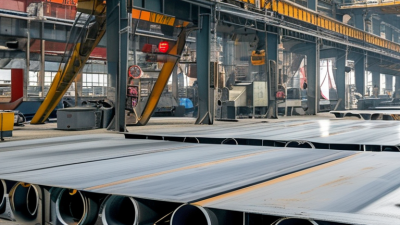
Many industrial configurations handle plates from approximately 4 mm to 100 mm, although the actual range depends on roller design and machine capacity. |
Adjustable guides, roller spacing and entry systems support different plate dimensions. |
Flexible handling allows one production line to process multiple plate specifications. |
| Typical Plate Width |
Common working widths are approximately 1,000–4,500 mm, with wider custom configurations available for specific production requirements. |
The chamber width and wheel layout are selected to provide overlapping coverage across the plate. |
Correct width selection prevents untreated edges and avoids unnecessary abrasive consumption. |
| Productivity |
Throughput depends on plate dimensions, contamination level, wheel power, abrasive flow and required surface grade. |
The machine combines continuous feed, multiple blast wheels and automated abrasive circulation in a single line. |
It is well suited to repetitive steel fabrication, shipbuilding, structural steel and general plate-processing operations. |
| Energy and Consumable Control |
Actual power and abrasive consumption vary with wheel motor rating, plate condition, shot size and production rate. |
Variable conveyor speed, controlled abrasive feed and efficient shot separation regulate the process. |
Process control helps reduce over-blasting, abrasive loss and unnecessary energy use. |
| Why Choose This Equipment? |
Best suited to medium- and high-volume plate preparation where repeatability and automation are important. |
The complete cycle combines feeding, blasting, abrasive recovery, dust extraction and discharge with limited manual intervention. |
Key advantages include consistent surface quality, high throughput, reduced manual labor and easier integration with painting or fabrication lines. |