Leave Your Message

10 Tips for Choosing the Best Sandblasting Equipment?

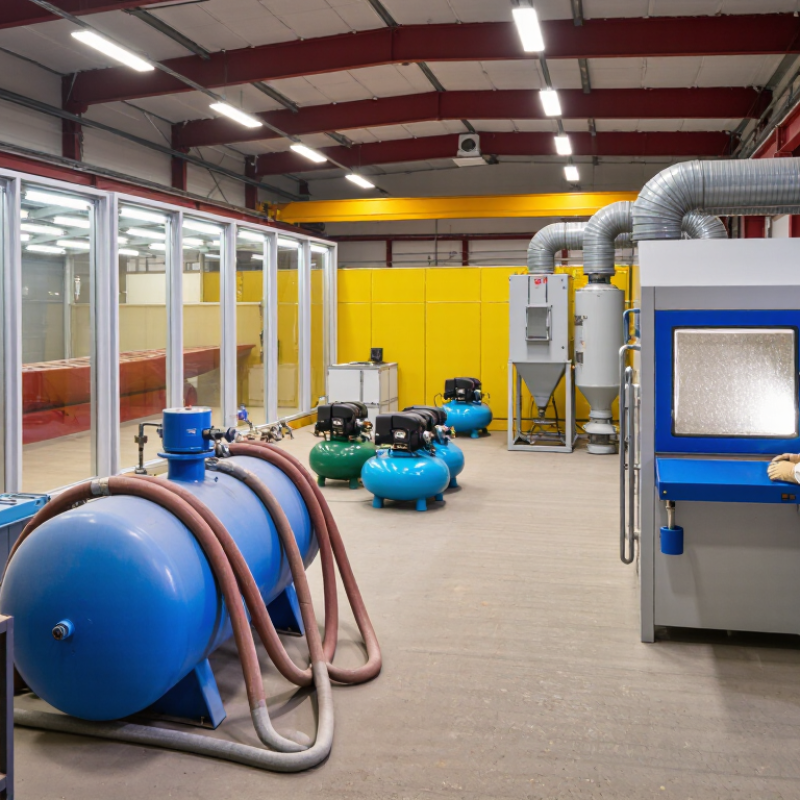
Choosing Sandblasting Equipment is not simply a matter of comparing prices and motor power. The correct system must match the abrasive, surface, pressure range, workspace, and recovery method. A small workshop may need a compact pressure vessel and efficient dust collection. A shipyard requires different capacity, mobility, and containment controls. Details matter.

Recent market studies from Grand View Research and Fortune Business Insights identify steady growth in the global abrasive blasting equipment sector. Their estimates differ because they measure product categories and regions differently. That disagreement deserves attention. Market size alone cannot prove that one machine is suitable for your operation. Manufacturer specifications, maintenance records, operator training, and verified safety performance matter more.

As industrial hygienist Dr. David Michaels has warned, “The best hazard is the one eliminated at the source.” This principle should guide every equipment decision. Look for enclosed systems, effective ventilation, low-dust abrasive options, pressure relief devices, and accessible replacement parts. Do not treat protective equipment as a substitute for engineering controls.

The following ten tips examine nozzle design, compressor demand, abrasive compatibility, dust management, automation, energy use, service support, and total ownership cost. They also consider real working conditions, such as clogged nozzles, wet air lines, and poor visibility inside a cabinet. No checklist is perfect. I have seen impressive specifications fail in ordinary workshops. A careful buyer tests assumptions before signing an order. That small pause can prevent expensive downtime, unsafe exposure, and disappointing surface results.

10 Tips for Choosing the Best Sandblasting Equipment?

Define Your Sandblasting Goals and Work Requirements

Choosing sandblasting equipment starts with defining the work, not comparing machines. Identify the surface, coating thickness, material hardness, and required finish. A small steel panel needs different pressure and media flow than a bridge component or masonry wall. Record the largest part, daily operating hours, indoor or outdoor location, and available electrical capacity.

Safety requirements must shape the specification. OSHA’s respirable crystalline silica standard sets an 8-hour permissible exposure limit of 50 micrograms per cubic meter. NIOSH also warns that abrasive blasting can generate dangerous airborne dust. This makes dust collection, ventilation, supplied-air protection, and approved abrasive media essential selection factors. Do not estimate airflow casually. Measure the workspace and confirm the cabinet or blast room can maintain visibility near the operator’s breathing zone.

Your goals should include production speed, surface profile, finish consistency, and cleanup time. For example, a workshop processing ten small parts daily may value compact controls and easy media recovery. A high-volume operation may need a larger pressure vessel, continuous filtration, and a durable nozzle assembly. My first equipment list was too ambitious. I focused on maximum pressure instead of actual part size and operator comfort. That mistake could increase media use and maintenance costs. Leave room for revision after a short trial. A timed test on one representative part can reveal whether the equipment meets your real work requirements.

10 Tips for Choosing the Best Sandblasting Equipment? - Define Your Sandblasting Goals and Work Requirements
Tip Work Goal Define Your Requirements Recommended Equipment Features Practical Selection Guidance
1 Remove rust and old coatings Steel parts, structural components, gates, frames, or machinery requiring medium to aggressive cleaning. Pressure blast pot, moisture separator, abrasive metering valve, and a durable tungsten carbide or boron carbide nozzle. Choose equipment that can maintain approximately 90–110 psi at the nozzle. Confirm that the air compressor can deliver the required airflow continuously, not only its peak rating.
2 Prepare surfaces for painting Uniform surface profile, controlled coating removal, and minimal embedded abrasive are important. Adjustable pressure controls, precise abrasive metering, pressure gauge, and an abrasive suitable for the target surface. Start with a lower pressure and increase gradually. A finer abrasive generally provides a smoother profile, while a coarser abrasive removes heavy coatings faster.
3 Clean delicate materials Aluminum, thin sheet metal, wood, fiberglass, or components that may warp, scratch, or deform. Pressure regulator, small nozzle, fine abrasive, and accurate media-flow control. A wet-blasting option may help reduce dust and heat. Use lower pressure, short passes, and test an inconspicuous area first. Avoid excessive dwell time because heat and concentrated impact can damage thin materials.
4 Select the correct abrasive Consider cleaning speed, required surface finish, substrate hardness, dust generation, and whether the abrasive can be recycled. Equipment compatible with mineral, glass, plastic, steel, or other approved abrasive media; replaceable screens and accessible metering components. Do not use ordinary beach sand. Silica-containing sand can create a serious inhalation hazard. Follow local safety regulations and the abrasive supplier’s handling instructions.
5 Match compressor capacity Continuous operation time, nozzle size, working pressure, and the number of operators using compressed air. Compressor with sufficient delivered airflow, receiver capacity, aftercooler or moisture control, and a properly sized air hose. Typical nozzle airflow can range from roughly 15 to more than 100 CFM depending on nozzle diameter and pressure. Check the equipment’s CFM requirement before purchasing.
6 Choose the right equipment format Workshop production, outdoor maintenance, occasional repairs, or small-part restoration. Blast cabinet for contained small-part work; portable pressure pot for large or fixed objects; siphon system for light-duty and intermittent use. A cabinet improves containment and media recovery. A portable pressure pot offers higher productivity on large surfaces but requires more preparation and dust control.
7 Control dust and abrasive loss Indoor operation, worker exposure limits, visibility during blasting, and cleanup requirements. Dust collector, properly sealed cabinet, ventilation system, cyclone or media-recovery arrangement, and suitable filters. Good airflow should remove airborne dust without pulling usable abrasive into the filter too quickly. Inspect filters regularly and never operate with damaged seals.
8 Improve productivity Daily operating hours, surface area, target cleaning rate, media consumption, and changeover frequency. Large-capacity pressure vessel, reliable abrasive valve, appropriately sized nozzle, quick-connect fittings, and an adequate air hose. Larger nozzles can increase production but require substantially more airflow. Select the nozzle size based on compressor capacity rather than choosing the largest available option.
9 Protect operators Exposure to dust, rebound particles, compressed air, noise, and flying debris. Blast helmet with supplied breathing air where required, protective clothing, gloves, hearing protection, safety footwear, deadman control, and grounded equipment. Never use compressed air to clean clothing or skin. Use only approved respiratory protection and follow applicable occupational health and safety requirements for abrasive blasting.
10 Plan maintenance and operating costs Replacement parts, abrasive consumption, compressor electricity or fuel, filter changes, downtime, and operator training. Wear-resistant nozzle and hose components, accessible inspection ports, replaceable seals, standard fittings, and clear maintenance instructions. Inspect the nozzle, blast hose, couplings, valves, and vessel regularly. A worn nozzle increases air consumption and can reduce blasting efficiency, so replace it when its bore has enlarged noticeably.
Selection reminder: Equipment performance depends on nozzle diameter, working pressure, abrasive type, hose size, moisture control, and compressor capacity. Always verify operating limits, pressure-vessel certifications, ventilation requirements, and local regulations before use.

Match Equipment Capacity to Your Project Size and Materials

When choosing sandblasting equipment, match its capacity to the project, not the other way around. A small cabinet may suit hardware, brackets, and motorcycle parts. Large surfaces need stronger airflow, a wider nozzle, and faster abrasive recovery. Capacity is more than tank size. Airflow, nozzle diameter, pressure stability, and recovery speed all affect production.

The material also changes the decision. Steel can tolerate more aggressive pressure and abrasive media than aluminum or soft wood. Glass and painted surfaces may require gentler settings to prevent distortion or unwanted damage. Use a fine abrasive for detailed work and a coarser option for heavy corrosion. Check the equipment’s working range before purchase. Match the nozzle size to the compressor’s delivered airflow, not its advertised horsepower. Rated horsepower can mislead.

Test the equipment on a sample piece first. I once selected a compact unit for a batch of steel frames, but the compressor could not maintain pressure. The machine performed well for five minutes, then slowed noticeably. That mistake taught me to measure real airflow under load. Ask for service records, replacement-part availability, and clear operating specifications. Reliable suppliers should provide practical guidance, not vague promises. Keep the workspace clean, inspect hoses regularly, and use suitable protective equipment. Small mismatches become expensive when every part needs rework.

10 Tips for Choosing the Best Sandblasting Equipment: Match Equipment Capacity to Your Project Size and Materials

Select a compressor and blast pot that can continuously support the nozzle size required for your project. Larger nozzles remove material faster but demand substantially more compressed air.

The values show approximate compressed-air demand at 100 psi for common nozzle orifice sizes. Actual requirements vary with nozzle type, working pressure, abrasive, hose length, and material hardness. Choose a compressor with additional capacity above the calculated demand for stable performance.

Compare Abrasive Types, Pressure Systems, and Surface Results

10 Tips for Choosing the Best Sandblasting Equipment

Tip 1: Match the abrasive to the surface, not just the cleaning speed. Recycled glass can remove coatings while leaving a moderate profile. Garnet cuts more aggressively and often produces a sharper texture. Walnut shell works better on softer materials where scratching is a concern. Steel grit is powerful, but it may embed particles into softer metal. Always test a small panel first. It reveals surprises.

Tip 2: Compare pressure and suction systems carefully. Pressure systems usually deliver faster cutting and deeper profiles. They suit heavy coatings, rust, and larger production work. Suction systems use less abrasive and offer more control on delicate surfaces. A pressure pot can feel impressive, but excessive pressure may warp thin sheet metal. Start low, then increase pressure gradually. Record the setting, nozzle distance, and spray angle. These details make results repeatable.

Tip 3: Judge equipment by the finish it creates, not its advertised power. Check whether the surface looks evenly cleaned under bright side lighting. Uneven shadows may indicate inconsistent blasting or poor operator control. Nozzle wear also changes the abrasive flow and surface profile. Inspect it regularly. I would not trust one test alone; humidity, abrasive moisture, and operator fatigue can alter results. That is easy to overlook. Choose equipment with accessible controls, reliable seals, and clear maintenance instructions. A clean, measurable finish matters more than maximum pressure.

Check Safety Features, Operator Comfort, and Maintenance Needs

10 Tips for Choosing the Best Sandblasting Equipment?

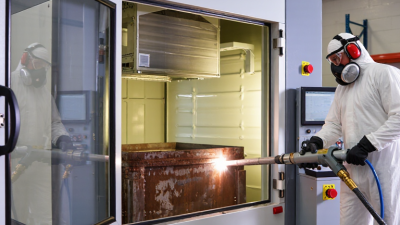
Safety should guide every equipment decision. I inspect emergency shutoffs, dead-man controls, pressure relief valves, grounding points, and sealed hose connections. A clear pressure gauge matters because hidden pressure creates avoidable risks. Check the cabinet’s interlocks and viewing window before considering productivity. Dust extraction must suit the workspace and the abrasive material. Follow local workplace rules and the equipment manual. Do not assume a familiar setup is automatically safe.

Operator comfort affects accuracy during long work sessions. Choose adjustable controls, balanced hoses, low-vibration handles, and gloves that preserve finger movement. The helmet should provide clear vision without creating heavy neck strain. Airflow must remain steady and suitable for the approved respiratory system. Take short breaks. Fatigue changes decisions. I once focused so heavily on surface finish that I ignored a stiff trigger, and that was careless. Comfort checks should happen before purchasing, not after installation.

Maintenance needs are easier to judge through access and documentation. Look for replaceable wear parts, simple filter cleaning, visible hose inspection points, and drainable moisture traps. Ask how often seals, nozzles, filters, and abrasive lines require inspection. Keep a written maintenance log with dates, pressure readings, and replaced parts. Test safety controls routinely, even when production feels urgent. A low purchase price can become expensive when cleaning takes hours or spare parts are difficult to identify. Some choices still require compromise. Smaller equipment may improve control but reduce output, while larger systems can increase fatigue and maintenance demands.

Evaluate Total Cost, Durability, and Supplier Support

Tip: Calculate total cost beyond the purchase price. Include abrasive consumption, compressed-air demand, filters, protective equipment, labor, and downtime. The U.S. Department of Energy reports that compressed-air leaks can waste 20–30% of compressor output. A cabinet that uses less air may reduce monthly operating costs. Ask suppliers for measured air consumption, not estimates. Real workshop figures are more useful.

Tip: Test durability under your actual workload. Check blast-pot lining, nozzle material, seals, valves, and cabinet hinges. In my experience, small seal failures cause surprisingly long delays. Request service intervals and replacement-part prices before ordering. The U.S. Department of Energy’s Operations and Maintenance Best Practices Guide links planned maintenance with lower downtime and longer equipment life. Still, maintenance claims need evidence. Ask for inspection records or independent test results.

Tip: Evaluate supplier support as part of the equipment. Confirm response times, technician availability, spare-parts stock, training, and warranty limits. OSHA’s Respirable Crystalline Silica standard sets a 50 micrograms-per-cubic-meter permissible exposure limit over eight hours. Therefore, dust control, ventilation, and monitoring support deserve careful review. Ask whether the supplier provides airflow checks and filter guidance. Do not accept vague promises. A cheaper machine can become expensive when technical help disappears after delivery.