Choosing among the top Sand Shot Blasting Machine manufacturers worldwide requires more than comparing catalog prices. A machine may look impressive under bright showroom lights, yet perform poorly in a dusty production plant. Buyers should examine blast-wheel speed, chamber size, abrasive recovery, dust-collector efficiency, and liner durability. These details affect surface consistency, operator exposure, maintenance time, and long-term costs.
Safety must remain central. David Michaels, former Assistant Secretary of Labor for Occupational Safety and Health, has emphasized, “Recognize the hazard before exposure begins.” That principle applies directly to abrasive blasting. Reliable manufacturers should provide guarded moving parts, clear maintenance procedures, effective ventilation, and practical training. Certification documents matter, but they should not replace factory testing, reference checks, or an inspection of installed equipment.
The strongest global suppliers usually demonstrate experience in foundries, steel fabrication, automotive components, and construction machinery. Their value is visible in small details: evenly blasted castings, sealed doors, accessible filters, and spare parts that arrive without months of delay. Regional service also matters. A technically excellent supplier can still become a poor choice when support is distant or unclear.
There is no perfect machine.
This guide compares manufacturers through engineering capability, production experience, customization, energy use, safety practices, and after-sales reliability. Some comparisons will remain imperfect because published specifications are not always measured under identical conditions. That limitation deserves attention. A careful buyer should request test samples, operating data, warranty terms, and customer references before making a final decision. The best Sand Shot Blasting Machine is not simply the fastest. It is the one that delivers repeatable results, controlled operating costs, and dependable support throughout its working life.
A sand shot blasting machine cleans and prepares metal surfaces by directing abrasive particles at high speed. Despite its name, many industrial machines use steel shot, steel grit, glass beads, or other approved media instead of ordinary sand. This choice matters because uncontrolled silica dust can create serious respiratory hazards. The machine may use a rotating wheel or compressed air to propel the abrasive. Impact removes rust, scale, old coatings, and casting residue from the workpiece.
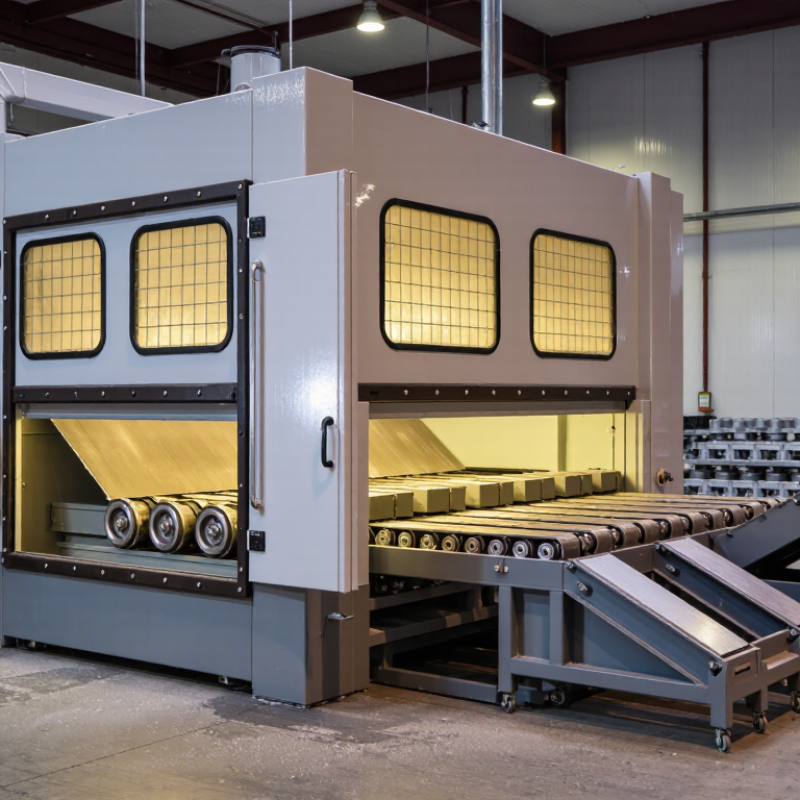
Inside a wheel-blast cabinet, a motor spins blades that throw shot toward the metal surface. A blast cabinet uses compressed air through a nozzle, giving the operator more control over corners and uneven shapes. Recovered media falls into a hopper, passes through a separator, and returns to the blasting system. Dust travels toward a filter unit. Clear visibility is essential. Poor extraction quickly hides the work area in gray dust.
In practical production, operators adjust pressure, wheel speed, exposure time, and media size for each material. Thin sheet can warp or become overly rough. It happens more easily than expected. A short test run usually reveals problems before full processing begins. I would also check nozzle wear, abrasive contamination, grounding, enclosure seals, and filter loading before judging machine performance. Protective clothing, eye protection, hearing protection, and suitable respiratory controls remain necessary, even in automated equipment. A reliable manufacturer should explain these controls, provide measurable operating data, and support maintenance training rather than promise cleaning speed alone.
| Machine Type | How It Works | Typical Applications | Common Abrasive Media | Typical Workpiece Size | Main Advantages | Key Considerations |
|---|---|---|---|---|---|---|
| Tumble Belt Blast Machine | Workpieces are placed in a rotating rubber or manganese-steel belt. Turbine wheels or compressed-air nozzles propel abrasive onto the exposed surfaces as the load tumbles. | Small and medium castings, forgings, heat-treated components, and general metal parts. | Steel shot Steel grit Cut wire shot |
Small to medium parts, normally processed in bulk batches. | High batch productivity, relatively simple loading, and good coverage of multiple surfaces. | Not suitable for delicate parts or components that may become entangled or damaged during tumbling. |
| Hanger-Type Blast Machine | Parts are suspended from hooks or a continuous hanger system while rotating through one or more blast zones. | Large castings, engine components, fabricated structures, and parts requiring controlled handling. | Steel shot Steel grit Stainless shot |
Medium to large parts with defined lifting points. | Good surface access, reduced part-to-part contact, and flexible processing for different geometries. | Requires overhead space and careful fixture design to prevent shadowed areas. |
| Table Blast Machine | Components are positioned on a rotating table. Abrasive is directed at the workpiece while the table rotates for more uniform exposure. | Heavy castings, gears, machine bases, and large individual components. | Steel shot Steel grit |
Medium to large individual workpieces. | Suitable for heavy loads and parts that cannot be safely tumbled or hung. | Some areas may require repositioning or additional blasting because of geometric shielding. |
| Roller Conveyor Blast Machine | Workpieces travel continuously on rollers through several blast chambers. Turbine wheels propel abrasive from multiple directions. | Steel plates, beams, profiles, pipes, structural sections, and fabricated assemblies. | Steel shot Steel grit |
Long, flat, or continuously fed products. | Continuous production, consistent treatment, and integration with painting or fabrication lines. | Conveyor layout, workpiece dimensions, and line speed must be matched to the required cleaning grade. |
| Rotary Drum Blast Machine | A perforated or specially formed drum rotates the parts while abrasive is projected through the drum surface. | Small castings, fasteners, agricultural components, and high-volume small metal parts. | Steel shot Steel grit Ceramic media |
Small, durable parts processed in bulk. | Compact layout, automated batch operation, and effective treatment of robust small components. | Part impact and mixing must be controlled when surfaces are fragile or appearance is critical. |
| Air-Blast Cabinet | Compressed air carries abrasive through a nozzle and directs it manually or automatically at the workpiece inside an enclosed cabinet. | Repair work, precision cleaning, localized surface preparation, prototypes, and low-volume production. | Aluminum oxide Glass bead Steel grit Plastic media |
Small to medium parts that fit inside the cabinet. | Accurate control of blast pressure, nozzle position, and treated area. | Usually has lower production throughput than wheel-blast systems and requires compressed-air capacity. |
| Automatic Nozzle Blast System | Programmable nozzles move along fixed paths or use oscillating motion to distribute compressed-air abrasive over complex parts. | Aluminum castings, aerospace components, precision parts, and products requiring selective treatment. | Glass bead Aluminum oxide Mineral abrasive |
Small to medium complex components. | Repeatable coverage, adjustable intensity, and reduced manual labor. | Programming, nozzle wear, dust extraction, and compressed-air consumption affect operating cost. |
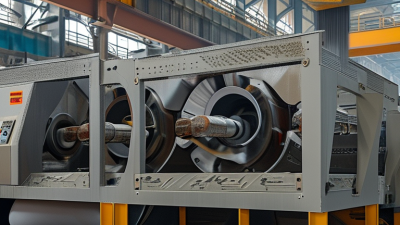
| Wheel-Blast System | A rotating turbine wheel accelerates metallic abrasive by centrifugal force and throws it at the workpiece without compressed air. | High-volume cleaning and preparation of castings, forgings, structural steel, and fabricated metal products. | Steel shot Steel grit Stainless shot |
From small batch parts to long or heavy industrial products, depending on the machine configuration. | High abrasive-flow capacity, efficient energy use for production work, and strong cleaning performance. | Requires correct turbine positioning, abrasive classification, liner maintenance, and dust collection. |
| Wet Blasting System | A mixture of water and fine abrasive is propelled through a nozzle, reducing airborne dust and moderating the impact on the surface. | Decorative finishing, precision components, contamination-sensitive work, and surfaces requiring a smoother appearance. | Glass bead Fine mineral media Plastic media |
Small to medium parts, depending on the cabinet or chamber. | Lower dust generation, reduced heat buildup, and a finer surface finish. | Parts may require rinsing, drying, corrosion protection, and wastewater management. |
| Continuous Wire-Mesh Conveyor Machine | Parts move on a wire-mesh belt through overlapping blast streams, allowing abrasive to reach upper, lower, and side surfaces. | Flat castings, stamped parts, welded assemblies, and medium-sized components in continuous production. | Steel shot Steel grit |
Small to medium parts with stable conveyor loading. | Continuous operation, repeatable cycle times, and suitability for automated lines. | Small parts must be sized correctly to prevent falling through the mesh or blocking the belt. |
| Abrasive Recovery and Separation | After blasting, abrasive and debris are collected, conveyed, screened, and separated so reusable media can return to the blast circuit. | Most enclosed industrial shot-blasting machines. | Steel shot Steel grit Reusable metallic media |
Applicable to batch and continuous systems. | Reduces abrasive waste, stabilizes blasting performance, and supports cleaner operation. | Separators, elevators, screw conveyors, and filters require routine inspection and maintenance. |
| Dust Collection Unit | A fan draws contaminated air from the blast chamber through filters or cartridges, capturing dust and fine particles before cleaned air is discharged. | Required for enclosed dry-blasting equipment and industrial surface-preparation lines. | Not an abrasive medium | Selected according to chamber volume, leakage control, and blasting dust load. | Improves visibility, protects equipment, and helps control occupational exposure. | Filter loading, airflow, spark control, and local workplace regulations must be considered. |
| Typical Process Sequence | Load the part, select the abrasive, set the blast intensity and cycle time, propel media onto the surface, recover reusable abrasive, remove dust, inspect the finish, and unload the part. | Cleaning rust, mill scale, molding sand, paint, and surface contamination; preparing surfaces for coating; and introducing controlled compressive stress through shot peening. | Steel shot Steel grit Glass bead Mineral media |
Determined by machine design, chamber dimensions, load rating, and handling method. | Provides repeatable mechanical surface treatment when media, intensity, coverage, and cycle time are properly controlled. | The term “sand blasting” is commonly used, but modern industrial systems often use recyclable metallic or non-silica media instead of crystalline silica sand. |
| Key Selection Criteria | Choose the machine according to part geometry, material, production volume, required surface condition, allowable impact, automation level, and available floor space. | Comparing equipment for foundries, fabrication shops, maintenance departments, coating lines, and precision manufacturing. | Media compatibility Part protection Dust control |
Based on maximum part dimensions, weight, batch quantity, and loading method. | Improves equipment utilization, finish consistency, safety, and total operating cost. | Actual capacity, blast intensity, cycle time, and energy use vary by machine design, workpiece condition, media size, and required cleaning standard. |

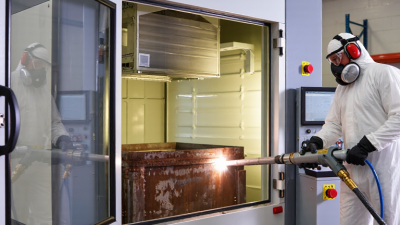
Sand blasting machines serve different production problems, not one universal task. Pressure blast cabinets deliver strong, controlled cleaning for welds, castings, and maintenance parts. Suction cabinets use lower media flow and suit lighter components or occasional batches. The operator can watch a small nozzle remove rust from a valve body without moving the part repeatedly. Wet blasting adds water to reduce dust and create a smoother finish. It is useful for precision components, aluminum surfaces, and parts requiring limited heat impact.
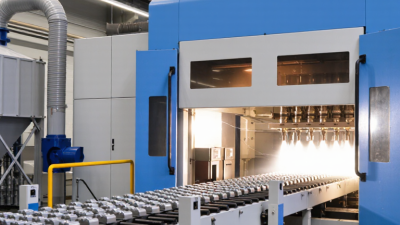
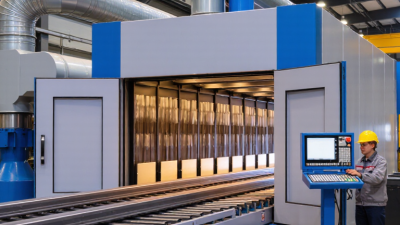
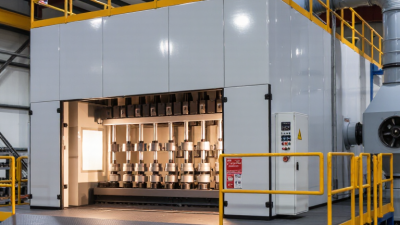
Wheel blast machines handle large volumes of similar parts. Foundries use them to clean molding sand from castings, while structural steel plants prepare beams and plates before coating. Their automated turbines can treat many parts continuously, but they need careful media control. Excessive impact may round edges or damage thin sections. World Steel Association data recorded about 1.89 billion tonnes of crude steel production in 2023, showing the scale of surface preparation demand. The number is impressive, yet it does not reveal downtime, energy use, or operator skill.
Industrial selection should include production volume, part geometry, abrasive recovery, and ventilation design. OSHA’s respirable crystalline silica standard sets a 50 micrograms-per-cubic-meter exposure limit over eight hours for covered workplaces. Dust capture is not optional. Enclosure leaks can defeat an otherwise capable machine. A 2024 industrial equipment market review also identified automation and dust control as major purchasing factors. Those trends matter, although market forecasts can overstate adoption. Real factories still balance capital cost, maintenance access, noise, and imperfect loading practices.
Evaluating worldwide sand shot blasting machine manufacturers requires more than comparing purchase prices. Start with the machine’s working envelope, loading method, abrasive recovery rate, and dust-control design. A chamber that accepts a 500-kilogram casting may still perform poorly if recovery screens clog during long shifts. Grand View Research’s 2024 abrasive blasting equipment analysis projects market growth of about 4.5% annually through 2030. That expansion makes supplier claims common, but not automatically reliable.
Ask each manufacturer for measured data from a similar production line. Request cycle time, abrasive consumption per tonne, fan power, noise level, and filter pressure loss. Compare test results under identical conditions. The U.S. Occupational Safety and Health Administration limits respirable crystalline silica exposure to 50 micrograms per cubic meter over an eight-hour shift. Therefore, dust collection and cabin sealing deserve the same attention as blasting speed. Safety files, conformity documents, maintenance schedules, and spare-part availability should be reviewed before signing.
A factory visit can reveal practical weaknesses. Look inside the elevator, inspect weld quality, and check whether shot leakage marks the floor. Speak with two users operating comparable materials, not only the supplier’s selected reference. MarketsandMarkets reports continued automation growth in metal processing, yet automation can increase downtime when sensors lack local support. I would also calculate five-year ownership cost, including electricity, filters, wear plates, labor, and lost production. My own evaluation would not rely on one successful trial; dust behavior and abrasive wear can change after several months. That uncertainty needs a written acceptance test.
Asia-Pacific remains a major production center for sand shot blasting machines. According to Grand View Research’s 2024 abrasive blasting equipment analysis, the global market may grow at roughly 4% annually through 2030. Regional suppliers often combine competitive pricing with broad production capacity. Their capabilities include pressure blast cabinets, wheel blasting systems, automatic conveyors, and replacement wear parts. Factory visits may reveal the real difference. Inspect weld quality, chamber thickness, nozzle alignment, and dust-sealing details.
European manufacturers generally emphasize engineering precision, energy efficiency, and automated material handling. Many suppliers develop customized systems for foundries, structural steel, and automotive components. North American producers commonly focus on robust cabinets, compliant dust collection, and service access. Mordor Intelligence’s 2024 industrial equipment review identifies automation and workplace efficiency as important purchasing drivers. Yet, these reports group several equipment categories together. Their numbers should not be treated as exact sand shot machine sales.
Supplier capability matters more than country alone. Ask for documented cycle times, abrasive recovery rates, motor specifications, and test samples using your actual parts. A machine may look powerful but consume excessive abrasive. That weakness is easy to miss. Reliable suppliers provide layout drawings, maintenance schedules, operator training, and traceable quality records. Factory acceptance testing is valuable, although it cannot predict every production problem. A careful buyer should compare total operating cost, not only the initial quotation.
Safety, maintenance, and purchasing decisions define the real value of a sand shot blasting machine. OSHA sets the respirable crystalline silica limit at 50 micrograms per cubic meter over an eight-hour shift. Its action level is 25 micrograms. Therefore, enclosed blasting, effective extraction, and verified airflow matter more than impressive pressure ratings. Operators should use suitable respiratory protection, hearing protection, gloves, and face shields. Silica-containing sand also deserves careful review. Safer substitute abrasives may reduce exposure, but they still create dust and noise.
Maintenance requires visible discipline. Inspect blast hoses, couplings, nozzles, cabinet liners, seals, and dust filters before each shift. A worn nozzle can increase abrasive use and reduce finishing consistency. Empty dust collectors safely, and check differential pressure readings regularly. Grounding should be tested, not assumed. Keep a dated inspection log near the machine. Small oversights become expensive failures. In practice, maintenance schedules are often too optimistic, especially in humid workshops.
Purchasing teams should compare total operating cost, not only the initial quotation. Request measured airflow, abrasive consumption, noise data, chamber dimensions, and compatible spare parts. ISO 12100 risk-assessment principles can help evaluate guarding and control-system hazards. HSE reports that occupational lung diseases contribute to approximately 12,000 deaths annually in Great Britain, although not all involve blasting. That figure adds necessary perspective. A cheaper machine may still be the wrong choice if filters are difficult to replace or service support is weak. Allow room for uncertainty. Test the machine with representative parts before approving the purchase.
Respirable crystalline silica limits are useful safety benchmarks when evaluating abrasive blasting equipment. Lower exposure limits generally require stronger enclosure, ventilation, dust-collection, filtration, and operator-protection systems.
Maintenance: Inspect blast hoses, nozzles, seals, grounding connections, pressure-vessel components, and dust-collector filters according to the equipment manual and applicable local regulations.
Purchasing: Compare enclosure performance, dust extraction, automatic shut-off controls, remote deadman controls, noise reduction, spare-part availability, documentation, and compliance support—not only blasting capacity.
Values show 8-hour occupational exposure benchmarks for respirable crystalline silica. Requirements vary by jurisdiction and are not interchangeable; always verify the rules applicable to the installation site.