Leave Your Message

2026 How to Choose the Right Steel Shot Blasting Machine

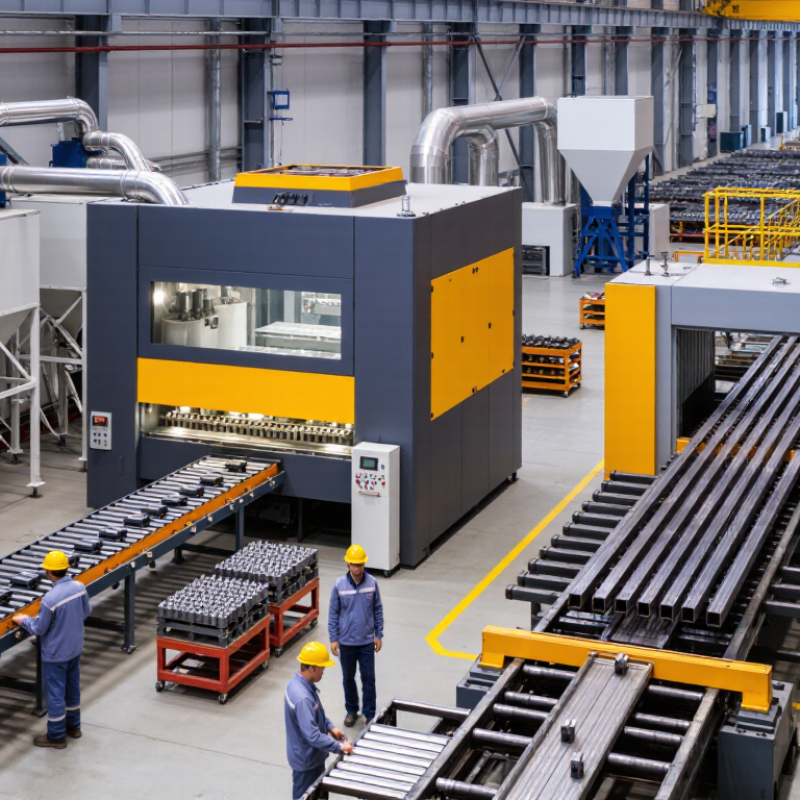
Choosing the right Steel Shot Blasting Machine starts with the parts you actually process, not the largest machine in a catalogue. A compact wheel-blast cabinet may suit small castings, while long beams often need a continuous pass-through system. Picture a production line at shift change: parts queue near the infeed, dust filters hum, and operators need consistent coverage without slowing the next batch. That is where machine fit becomes practical, not theoretical.

Before comparing models, record part dimensions, material, expected throughput, and the surface finish required. Then assess wheel power, chamber size, conveyor design, abrasive recovery, and dust collection. Ask suppliers how they verify cleaning coverage and what routine maintenance involves. A low purchase price can look attractive. It may also hide costly downtime if wear parts are difficult to access or the machine cannot handle peak production.

A useful selection principle is: “Match the machine to the part, the process, and the pace of production.” This is an original editorial line, not a verified quotation from a named industry expert. A real expert’s name and exact words should be confirmed with that person or a reliable published source before attribution. That detail matters. Trust begins with accurate claims, even in a buyer’s guide.

This 2026 guide will help you compare machine types, evaluate operating requirements, and prepare better questions for manufacturers. It will also point out trade-offs that brochures may gloss over. No single machine fits every shop. The right choice depends on your workload today—and how honestly you can estimate tomorrow’s.

2026 How to Choose the Right Steel Shot Blasting Machine

How Steel Shot Blasting Machines Work and What They Process

A steel shot blasting machine cleans or textures metal by driving small steel spheres against its surface. In wheel-blast systems, a rotating turbine throws shot at high speed; air-blast cabinets use compressed air instead. The impact removes loose scale, rust, and foundry sand, while leaving a consistent surface profile for coating or further processing. The action is mechanical.

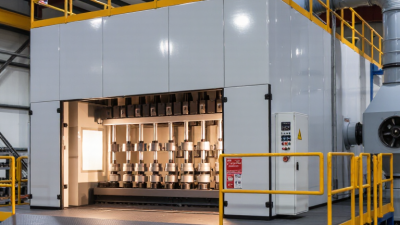
Machine design follows the part. Tumblast units handle batches of smaller castings; hanger systems rotate larger or delicate components; roller conveyors move plate and structural sections through a continuous blast zone. Reclaim systems separate reusable shot from dust and debris. Operators still need to check shot size, flow rate, and coverage. Poorly positioned parts can leave shadowed areas untouched.

The scale of metal production gives useful context, but not a direct measure of blasting-machine demand. World Steel Association’s World Steel in Figures 2025 reports 1,882.6 million tonnes of global crude steel production in 2024. That volume helps explain why surface preparation matters across metalworking. Steel shot is also used in controlled peening, a different process intended to induce compressive stress rather than simply clean a surface. That distinction matters. Even a well-sized line can disappoint when parts overlap or obscure one another—a detail easy to miss during equipment selection.

How to Match Machine Type to Workpiece Size and Production Needs

A steel shot blasting machine should fit the workpiece, not just the available floor space. Tumblast machines suit batches of small, durable castings or forgings that can tumble without damage. A few parts may process unevenly, though, if their shapes nest together. That detail is easy to miss.

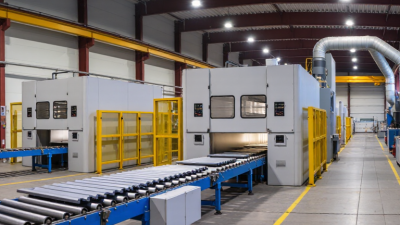
For long plates, beams, and profiles, a roller conveyor machine keeps parts moving through a controlled blast zone. Check the largest dimensions, section height, and part weight against the machine’s actual working envelope. Hanger-type machines are often better for large, awkward, or delicate components that need individual suspension. Fit matters. Confirm that hooks can hold each part securely and expose the surfaces that need cleaning.

Production needs matter just as much as size. Estimate daily volume, batch changes, loading time, and the finish required—not only the advertised cycle rate. A high-throughput line may be wasteful for short runs with frequent changeovers. Conversely, a small batch machine can become a bottleneck when parts arrive continuously. Ask for a trial using representative workpieces, including the heaviest and most complex ones. Inspect coverage around recesses and edges, then consider operator access and abrasive recovery. The first choice may still need adjustment. A neat capacity chart rarely shows every shop-floor constraint.

2026 How to Choose the Right Steel Shot Blasting Machine - How to Match Machine Type to Workpiece Size and Production Needs
Machine Type Typical Workpiece Size and Shape Best-Fit Production Pattern Common Applications Key Selection Checks
Rubber-Belt Tumble-Blast Machine Small, relatively compact parts that can tumble together; often parts in the approximate 20–300 mm range. Avoid long, delicate, or easily tangled workpieces. Batch processing; useful for repeat lots of small components. Batch capacity depends on the machine and the parts’ combined weight and shape. Small castings, forgings, fasteners, and robust components requiring surface cleaning or descaling. Check whether parts can withstand part-to-part contact, whether they may nest or tangle, and whether the batch load is within the rated capacity.
Hanger-Type Machine Individual or grouped parts that are too large, fragile, or irregular to tumble; suitable workpieces may range from sub-meter components to several-meter assemblies, depending on the chamber. Batch processing with flexible loading. Multiple hangers or fixtures can help organize repeat production. Castings, fabricated components, engine or machinery parts, and complex shapes requiring access from several directions. Confirm chamber clearance, hanger load capacity, fixture design, and whether the part can be rotated or repositioned for complete coverage.
Roller-Conveyor Machine Long, rigid workpieces with stable support, such as beams, plates, pipes, and structural sections. Conveyor width and opening height must match the largest cross-section. Continuous or semi-continuous processing; suited to regular flow and repeatable surface-treatment requirements. Structural steel, fabricated frames, plate, and other long sections prepared before coating or fabrication. Check maximum section width and height, part length, minimum load spacing, conveyor speed, and whether all required faces receive adequate exposure.
Mesh-Belt Conveyor Machine Small to medium parts that can be carried on a moving belt; suitable for parts that should not be heavily impacted by tumbling. Continuous processing of steady, repeatable product flows; loading and unloading can be integrated with adjacent production steps. Small castings, heat-treated components, and batches of parts requiring consistent, through-feed processing. Evaluate belt opening and load stability, part overlap, required treatment on the underside, and the risk of small parts falling through the belt.
Table-Type Machine Large, heavy, or flat components that can be positioned on a rotating table; part geometry must allow the required surfaces to be exposed during the cycle. Batch processing for low-to-medium volumes or products with varied sizes and longer treatment cycles. Large castings, heavy components, and workpieces that are unsuitable for tumbling or conveyor transport. Check table diameter, maximum load, chamber clearance, part stability, and whether shadowed areas require repositioning or additional treatment.

Planning note: The size descriptions are initial screening guides, not universal machine limits. Final selection should be based on the largest workpiece envelope, part weight, surface-cleanliness requirement, required production rate, loading method, and a representative part trial.

Which Technical Specifications Matter When Comparing Machines

Comparing steel shot blasting machines starts with the parts, not the headline motor rating. Record the largest and smallest workpiece, its weight, geometry, and required surface finish. A wide opening is useless if a long beam cannot turn inside the chamber. Check the usable blast zone, conveyor speed, and loading method against a real production shift. Throughput claims may assume ideal loading. Easy to overlook.

Compare turbine power, wheel count, abrasive flow, and shot size range as a system. More horsepower alone does not guarantee even coverage; wheel angle and part presentation matter. Ask for a trial using your own parts. Inspect edges, recesses, and weld areas under consistent lighting. Verify media recovery, separator efficiency, and dust collector airflow. Poor airflow can reduce visibility and leave dust in the work area. A showroom test may not reveal this.

Tips: Compare installed power, abrasive consumption, and maintenance intervals. Ask how quickly liners, blades, and filters can be inspected or replaced. A low purchase price can hide downtime. Actual wear varies with part mix and operating discipline, so treat estimates as estimates.

How to Assess Safety, Maintenance, and Operating Costs

2026 How to Choose the Right Steel Shot Blasting Machine

How to Assess Safety, Maintenance, and Operating Costs

Safety and upkeep shape a machine’s real cost. Check that doors lock during operation, emergency stops are reachable, and dust extraction suits your workpiece and media. OSHA’s guidance on abrasive blasting highlights hazards including dust, noise, and flying particles. Ask suppliers for documented guarding and maintenance procedures, then verify them during a site inspection. Look closely at the seals, wheel blades, and filter access. Small details matter.

Operating costs include electricity, replacement shot, filters, labor, and downtime. The U.S. Department of Energy’s Improving Compressed Air System Performance sourcebook reports that compressed air can account for about 10% of industrial electricity use, with higher shares at some facilities. That figure is not a machine-specific estimate. If your setup uses compressed air, measure its consumption; for wheel-blast systems, compare motor demand and media recovery instead. Track shot loss and filter changes for several shifts. Your first estimate may be wrong.

Tips: Request a maintenance schedule and a parts list before purchase. Record energy use, media additions, and unplanned stops during a trial run. Ask operators what is awkward to clean or inspect. Their feedback can reveal costs a brochure misses.

How to Verify Suppliers and Select a Machine for 2026 Needs

2026 How to Choose the Right Steel Shot Blasting Machine

Verify suppliers with evidence, not polished brochures. Ask for a test using your actual workpieces, abrasive, and cleanliness target. Ask for the cycle time and media consumption in writing. Watch the cycle. Check whether coverage reaches corners, recesses, and welds. Request references from plants handling similar parts, then ask about downtime and service response.

Inspect the proposed machine against your real production mix. Part size, weight, surface condition, and daily volume all affect machine type and capacity. Confirm that loading, unloading, and routine cleaning fit your floor space. Open the maintenance panels, if possible. Can operators reach the blast wheels, liners, and dust filters without awkward lifting? Ask for wear-part estimates and typical delivery times, not only the initial price.

For 2026, useful controls may include cycle records, fault alerts, and adjustable recipes. But digital features cannot compensate for poor setup or weak support. Ask who trains operators and how settings are checked after a recipe change. Compare energy use, dust collection, noise, and expected maintenance over several years. A supplier may not have every answer immediately; that is worth noting. Request assumptions and test results so you can review them with your production team.

2026: How to Choose the Right Steel Shot Blasting Machine

Example 100-point evaluation weighting for comparing machine fit and verifying a supplier. Adjust the weights to match your parts, production targets, and site requirements.

How to use it: Confirm the machine can handle your largest and heaviest workpieces, then compare demonstrated throughput, required surface cleanliness, abrasive recovery, and dust collection. Verify supplier claims with documented specifications, reference installations, and a trial using representative parts.