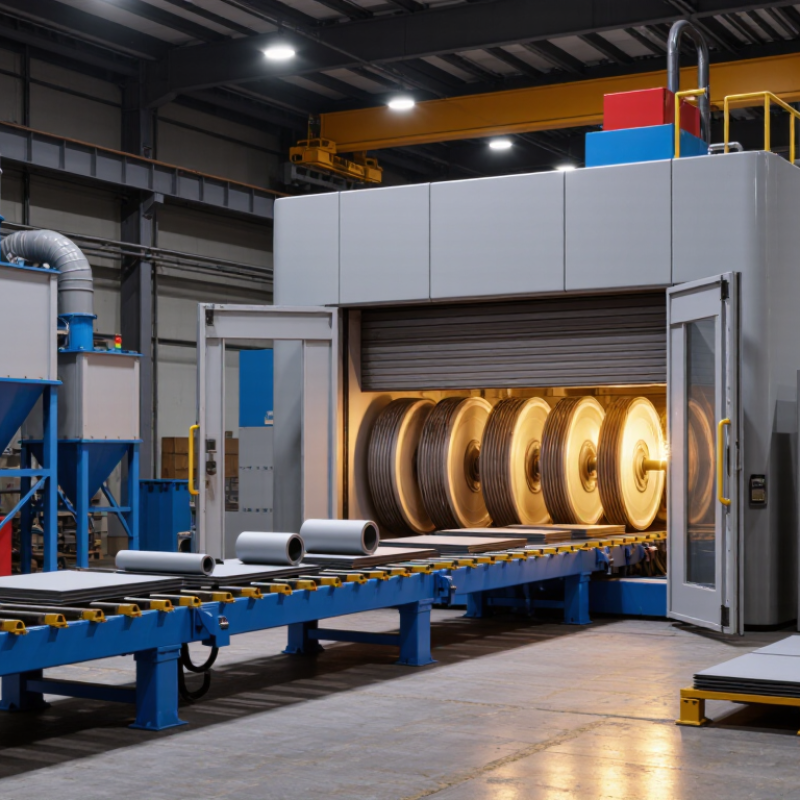
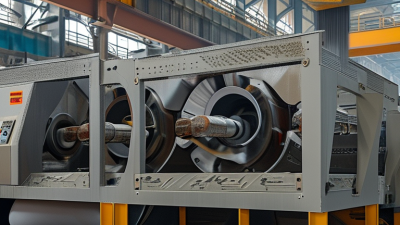
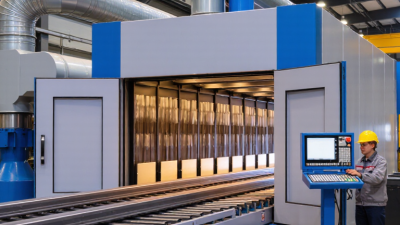
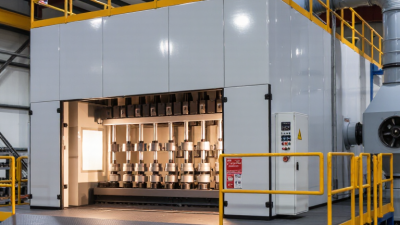
Choosing the right Steel Shot Blasting Machine can determine surface quality, production speed, and long-term operating costs. A suitable machine removes rust, scale, paint, and casting residue without damaging the workpiece. However, selecting equipment from capacity figures alone is risky. Real performance depends on part dimensions, material hardness, production volume, and the required surface profile.
Experienced buyers examine the blast wheel, chamber design, abrasive recovery system, dust collector, and control panel. A powerful wheel is not automatically better. Excessive impact may distort thin steel components or create uneven finishes. Check the machine’s proven throughput using parts similar to yours. Ask for test results, maintenance records, noise information, and energy consumption data. Small details matter. Door seals, filter access, wear plates, and spare-part availability can affect daily productivity.
Reliable manufacturers should explain technical limits clearly. They should also provide installation guidance, operator training, safety documentation, and responsive after-sales support. Industry standards offer useful direction, yet practical testing remains essential. A brochure may promise impressive output, but your actual components may behave differently. That is where careful evaluation becomes valuable. Consider future product changes, not only today’s workload. The cheapest option may become expensive when downtime, abrasive waste, and difficult maintenance appear. No machine is perfect. A thoughtful comparison, supported by supplier evidence and hands-on inspection, gives your investment a stronger foundation.
Before choosing a steel shot blasting machine, define the workpiece clearly. Record its material, dimensions, weight, surface condition, and daily quantity. A small bracket needs different handling than a two-ton casting. Note whether the target is rust removal, paint preparation, scale cleaning, or surface strengthening. Do not guess. Ask operators to photograph typical defects and measure the hardest areas to clean.
Production requirements also shape the machine design. Calculate the largest workpiece, average batch size, loading method, and available floor space. Check the required cleaning standard and acceptable cycle time. A roller conveyor may suit long beams, while a tumblast system may handle smaller castings efficiently. Consider shot size, abrasive recovery, dust collection, noise, and access for maintenance. These details affect operating costs more than the machine’s purchase price.
In practical trials, test representative parts rather than polished samples. Inspect corners, welds, recesses, and shielded surfaces after blasting. Measure surface cleanliness and profile with suitable inspection tools. I have seen teams specify high capacity, then discover their parts cannot rotate safely inside the chamber. That mistake is expensive. Leave room for future product changes, but avoid oversized equipment that wastes energy. Discuss loading ergonomics with operators; their experience often reveals risks hidden in a technical specification. Expect some uncertainty. Requirements become clearer after a controlled trial.
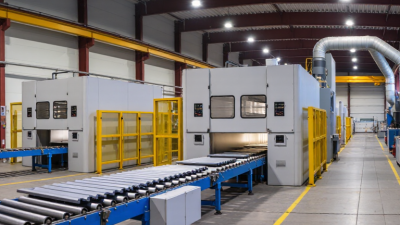
Choosing a steel shot blasting machine starts with the workpiece, not the catalog. In production trials, part geometry often decides the machine type. Tumble belt machines suit small, durable castings that can rotate together. Hanger machines expose larger parts individually, especially frames with recessed surfaces. Roller conveyor systems support continuous lines and heavier components. Air blast cabinets offer flexible positioning for repairs or low-volume work. The choice feels obvious until hidden pockets remain untreated. That detail matters.
Wheel blasting throws steel shot by centrifugal force, delivering high output and consistent coverage. It works well for repeatable batches with defined loading patterns. Air blasting uses compressed air and a nozzle, giving better control around welds, corners, and delicate sections. However, it usually cleans more slowly and consumes more energy. Shot size, hardness, angle, and exposure time change the finish. Smaller shot reaches narrow profiles; larger shot removes heavier scale faster. Test pieces are essential.
When comparing machines, inspect access doors, media separation, dust collection, and maintenance points. Ask for measurable results, such as surface cleanliness, cycle time, and shot consumption. A supplier should explain these figures and provide realistic trial conditions. I recommend testing the most difficult part, not the easiest sample. It reveals blind spots. Noise, vibration, and operator reach also affect daily reliability. One imperfect trial is useful; it may expose an assumption before installation.
Choosing a steel shot blasting machine requires more than comparing motor power. Evaluate how each feature affects cleaning quality, operating cost, and maintenance time. A higher motor rating is not automatically better. The turbine should deliver stable abrasive flow and consistent coverage across the workpiece.
Ask for test results using your actual steel parts. Check surface cleanliness, profile uniformity, and cycle time. Inspect the blast cabinet, wear liners, seals, and recovery system closely. Thick, replaceable liners can reduce unexpected repairs. Poor sealing, however, may release dust and waste abrasive quickly.
Watch the machine run.
During a site visit, listen for unusual vibration and inspect abrasive separation. A reliable separator should remove broken shot without carrying away usable particles. Monitor dust collector airflow, filter condition, and control accuracy. Automatic sensors can improve consistency, but they still need calibration. Do not treat automation as a substitute for inspection.
Energy use also deserves careful review. Compare output per hour, abrasive consumption, and downtime rather than looking at electrical power alone. Maintenance access matters when operators clean the cabinet or replace worn parts. If a service panel is difficult to reach, small problems may become expensive delays. I have seen machines perform well during demonstrations but struggle with irregular parts. That limitation should be recorded honestly before purchase. Performance depends on the workpiece, abrasive size, loading method, and operator habits. Test those conditions before making a final decision.
Evaluate machines against practical performance criteria. The chart uses a 100-point weighted selection model, emphasizing productivity, surface consistency, abrasive efficiency, reliability, safety, and maintenance access rather than company or brand data.
A higher score indicates greater importance during machine selection. In production environments, throughput and surface consistency should be checked together with abrasive recovery, dust-control performance, service accessibility, and operator safety.
Choosing the best steel shot blasting machine starts with the workpiece, not the machine’s price. In practical trials, I check the metal grade, thickness, shape, and surface finish. Carbon steel, cast iron, and delicate fabricated parts react differently to impact. Hard, angular shot may clean quickly, but it can leave dents or unwanted roughness. Shot size and hardness must match the material and required profile. Run a small test batch first. Real results often challenge catalogue claims.
A reliable machine should have guarded doors, interlocked access panels, emergency stops, and effective dust extraction. Operators need clear loading limits and simple controls. Inspect seals and viewing windows before each shift. Escaping dust is a warning, not a minor inconvenience. Noise and vibration also deserve attention. A safer layout reduces rushed decisions, although no safety feature replaces trained operators and documented procedures.
Maintenance affects finish consistency and operating cost. Check blast wheels, liners, belts, elevators, and separators on a fixed schedule. Replace worn parts before they damage nearby components. Keep shot clean and remove broken media, because contaminated abrasive can mark surfaces. Record wear patterns, energy use, and rejected parts. These records support reliable decisions. Still, maintenance plans can be too optimistic. Review them after heavy production or material changes. A machine that is easy to inspect may be more valuable than one with impressive output figures.
How to Choose the Best Steel Shot Blasting Machine?
Select the Best Machine for Your Budget and Production Needs
Choosing a steel shot blasting machine starts with your production rhythm, not the lowest purchase price. A small workshop may need a compact table machine for irregular parts. A busy fabrication line may require a continuous pass-through system. Measure your largest workpiece, daily weight, and loading time before comparing models. These figures expose hidden capacity problems.
In my shop-floor evaluations, operators often underestimate loading delays. A machine rated for 1,000 kilograms per hour may perform below that level when parts need manual repositioning. Check the usable chamber space, turbine power, shot recovery path, and dust collector capacity. Ask for test results using your actual steel parts and shot size. Look closely at wear plates, seals, and access doors. Maintenance time affects production more than many quotations show.
Budget planning should include electricity, abrasive loss, filters, replacement liners, and technician support. A cheaper machine can become expensive when downtime interrupts delivery schedules. However, buying excessive capacity can waste floor space and capital. My early estimates focused too heavily on hourly output. That was a mistake. Operator skill and part geometry changed the real result. Request clear energy data, service intervals, spare-part availability, and documented safety features. Compare total operating cost over three years, not only the invoice value. Allow room for growth, but avoid paying for capacity that may never be used.
| Machine Type | Typical Workpiece Range | Typical Load or Throughput | Common Turbine Configuration | Typical Installed Power | Recommended Production Level | Typical Budget Position | Best Fit for |
|---|---|---|---|---|---|---|---|
| Tumblast Machine | Small to medium castings, forgings, fasteners and heat-treated parts; generally up to approximately 600 mm in individual length | Batch loads commonly range from 100 to 600 kg, depending on drum size and part geometry | One or two turbines, commonly 4 to 15 kW each | Approximately 15 to 45 kW, excluding dust collector variations | Low to medium batch production | Low to medium | Mixed small parts where batch flexibility and relatively low initial investment are important |
| Table-Type Machine | Fragile, large or geometrically complex castings and forgings that should not tumble heavily | Typical batch capacities range from 200 to 1,500 kg | One or two turbines, commonly 7.5 to 22 kW each | Approximately 25 to 75 kW | Low to medium batch production | Medium | Large components requiring controlled positioning and reduced part-to-part impact |
| Hanger-Type Machine | Large castings, fabricated structures, engine components and parts that cannot be tumbled | Typical workpiece loads range from 300 to 2,500 kg per cycle | Two to four turbines, commonly 11 to 30 kW each | Approximately 45 to 150 kW | Medium batch production | Medium to high | Heavy or delicate parts that need accessible surfaces and controlled handling |
| Continuous Belt Machine | Small and medium castings, forgings, automotive parts and components suitable for continuous tumbling | Typical throughput ranges from 1 to 10 tonnes per hour, depending on belt width, part density and cleaning target | Two to four turbines, commonly 7.5 to 22 kW each | Approximately 50 to 160 kW | Medium to high continuous production | Medium to high | Stable product families with high repeat volume and limited changeover requirements |
| Roller Conveyor Machine | Long, flat or heavy fabricated parts, structural sections, plates and welded assemblies | Typical line speeds range from 0.5 to 5 m/min; load capacity is determined by roller spacing and drive design | Four to eight turbines, commonly 15 to 30 kW each | Approximately 100 to 350 kW | High-volume continuous production | High | Large steel components requiring consistent surface preparation before coating or fabrication |
| Wire Mesh Belt Machine | Small castings, aluminum parts, stamped components and parts requiring full-surface exposure | Typical throughput ranges from 0.3 to 5 tonnes per hour | Two to six turbines, commonly 7.5 to 22 kW each | Approximately 40 to 180 kW | Medium to high continuous production | Medium to high | Parts needing controlled conveyance, minimal impact and access to multiple surfaces |
| Pass-Through Shot Blasting Machine | Steel plates, beams, pipes and fabricated sections moved through a fixed blasting chamber | Typical processing speeds range from 1 to 6 m/min, depending on part size and required surface cleanliness | Four to twelve turbines, commonly 15 to 30 kW each | Approximately 150 to 500 kW | High-volume industrial production | High | Standardized steel products requiring repeatable surface preparation and integration with coating lines |

Selection note: Actual capacity, power consumption and machine dimensions vary with workpiece shape, target surface cleanliness, abrasive size, turbine efficiency, loading method and dust-collection requirements. Confirm the final specification with production samples and a process trial before purchase.